Alexander “Sandy” MacKenzie (1882-1932)
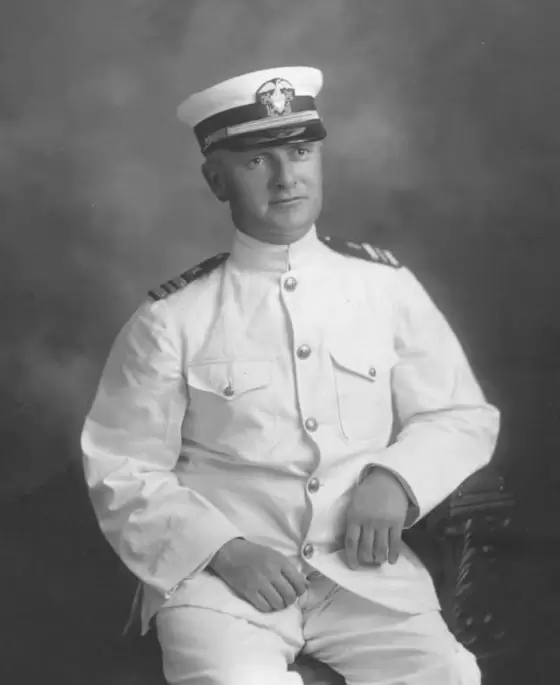
Sandy MacKenzie. Image courtesy of Ian Macleod
Alexander “Sandy” MacKenzie (1882-1932)
Seafarer, Naval Officer, and Innovator
Alexander “Sandy” MacKenzie was a Scottish-born sea captain whose life spanned continents and whose work helped solve a practical problem faced by generations of sailors. From humble beginnings on the Isle of Lewis, he rose to command ships in wartime and developed a navigational tool that improved the accuracy of determining latitude at sea.
His story is one of resilience, skill, and quiet ingenuity.
Early Life on the Isle of Lewis
Alexander MacKenzie was born on 15 September 1882 in Shulishader, on the Isle of Lewis in Scotland. He was the third child of Murdo MacKenzie and Ann MacLeod, and the brother of Henrietta MacKenzie, the author’s grandmother.
He grew up in a community shaped by the sea. His father and grandfather were crofter-fishermen, and maritime life was both a livelihood and a tradition. But it was also a source of loss. His grandfather, Donald MacKenzie, was killed in a fishing accident in Broad Bay in 1859, along with his entire crew. The tragedy left a lasting mark on the family.
MacKenzie is believed to have attended Aird School in Point. Little is known about his early education, but family accounts describe a strict upbringing. His father was remembered as a disciplinarian, and this may have influenced Sandy’s decision to leave home while still young.
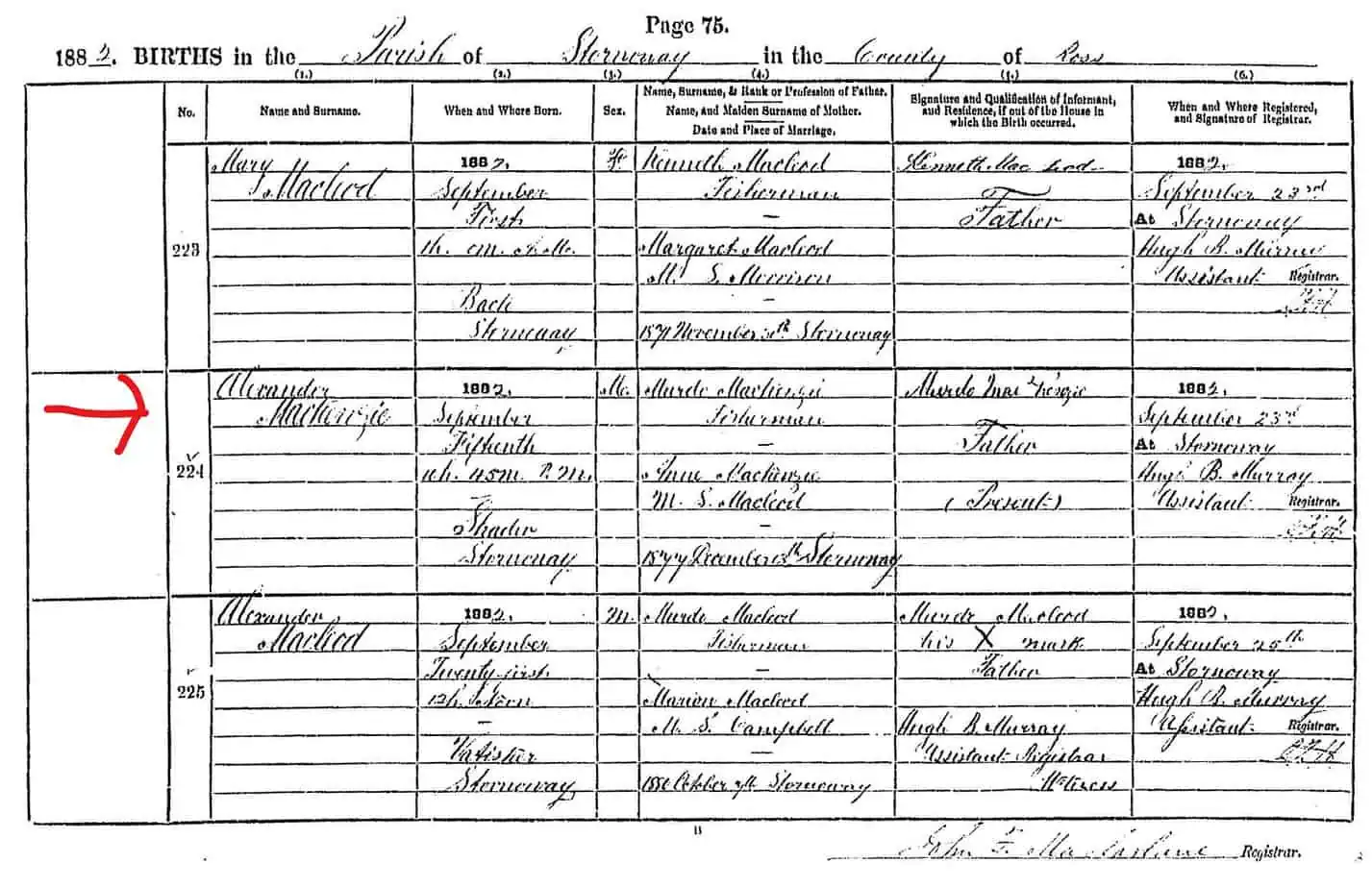
Sandy’s Birth Certificate
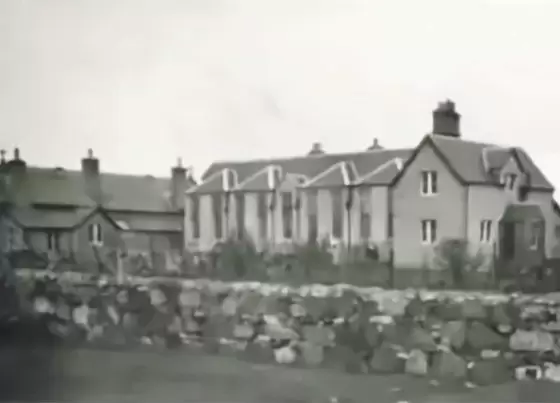
An old photo of Aird School, now demolished.
A Life at Sea Begins
Around the age of 17, MacKenzie likely left Lewis—possibly running away—and is thought to have pursued nautical training in Glasgow before going to sea.
By 1902, at the age of 20, he had arrived in the United States. Over the following years, he built a career in the Merchant Navy, working on long-distance routes at a time when global shipping was both demanding and dangerous.
Before the opening of the Panama Canal in 1914, ships travelling between the west and east coasts of the Americas had to navigate around Cape Horn. This route, often referred to as part of the “Clipper Route,” was known for its harsh conditions. MacKenzie is believed to have served on vessels operating along these routes, possibly transporting oil from California to the eastern seaboard.
These early experiences would have shaped his skills as a navigator and seaman.
San Francisco 1906
Family accounts place MacKenzie in San Francisco around the time of the devastating earthquake of 18 April 1906. The disaster destroyed much of the city and left thousands homeless.
According to oral tradition, he assisted in rescue efforts following the earthquake. While detailed records are limited, this episode reflects the realities of life at sea, where sailors often found themselves caught up in major historical events far from home.
By 1909, MacKenzie was in Seattle, where he applied for a Seaman’s Certificate, marking another step forward in his maritime career.
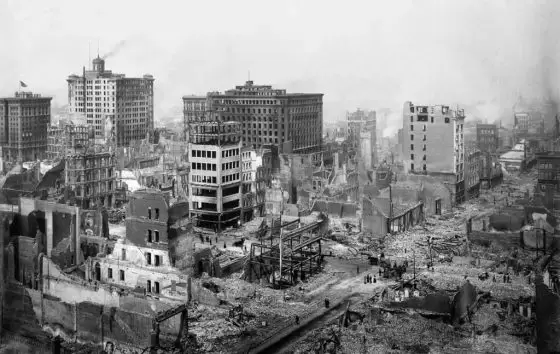
San Francisco Earthquake 18 April 1906
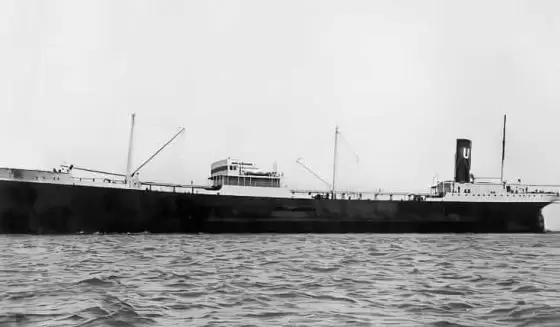
SS Los Angeles requisitioned into US Navy as USS Los Angeles 1917
War Service: World War I
When the United States entered the First World War in 1917, MacKenzie was already an experienced and capable seaman. On 8 August 1917, he was commissioned as a Lieutenant Commander in the U.S. Naval Auxiliary Reserve.
He was given command of the USS Los Angeles, an oil tanker requisitioned for military service. His role was to transport fuel across the Atlantic to support Allied naval operations—a task that was essential, yet often overlooked.
These voyages were long and hazardous. Ships faced the constant threat of German submarines, as well as the challenges of navigating busy wartime shipping lanes and unpredictable weather.
Scapa Flow
In early 1918, MacKenzie sailed to Scapa Flow in the Orkney Islands, a major base of the Royal Navy. This journey likely took him past the Isle of Lewis—his birthplace—which he had left years earlier and never returned to. It is a poignant detail in a life defined by distance and movement.
Over the course of the war, he commanded multiple transatlantic voyages, delivering fuel to key ports in Britain and France. These missions formed a vital part of the Allied war effort.

Scapa Flow, Orkney 1919
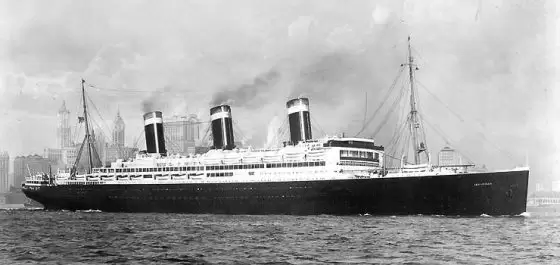
SS Vaterland 1913, renamed SS Leviathan in 1917
USS Hoven
After the war, the Los Angeles was decommissioned in January 1919. MacKenzie went on to command another vessel, the USS Hoven, continuing his service in large-scale maritime operations.
Family accounts also suggest that he may have captained the SS Leviathan, at the time the largest ocean liner in the world, during its service as a troopship. While documentation is limited, the association reflects the level of responsibility he had attained.
An Innovator in Navigation
Alongside his career at sea, MacKenzie made a lasting contribution to navigation through his publication MacKenzie’s Ex-Meridian Altitude Tables.
Traditionally, sailors calculated latitude by measuring the sun’s height at exactly noon. While accurate, this method depended on clear visibility at a precise moment—conditions that were often disrupted by cloud cover.
MacKenzie’s tables provided a practical solution. They allowed navigators to take observations before or after noon and apply corrections to determine their latitude accurately. By removing the reliance on perfect timing, his method made navigation more flexible and dependable.
Although the underlying concept was known, MacKenzie’s work made it more accessible and easier to use in everyday conditions at sea. His tables reduced complexity and helped minimise errors, making them particularly valuable to working seamen.
His achievement reflects a combination of practical experience and technical understanding—an ability to turn theory into a useful tool.

MacKenzies Tables Front Cover
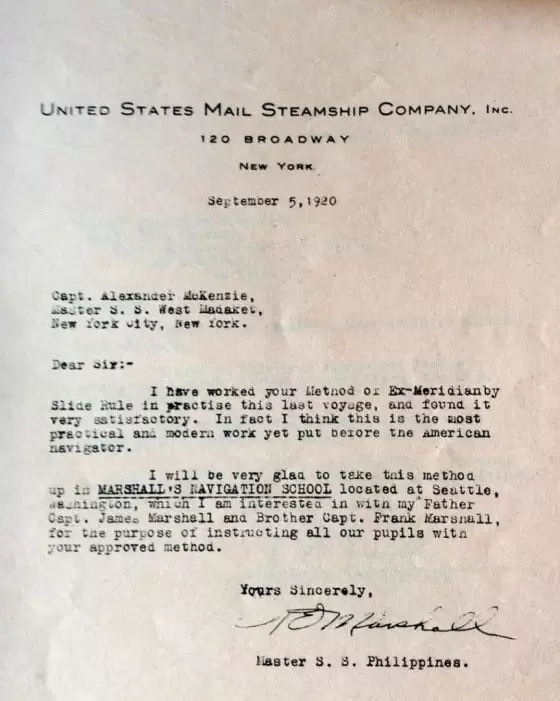
How the Tables Worked in Practice
MacKenzie’s tables were designed for real-world conditions, where perfect observations were often impossible.
A navigator would begin by measuring the sun’s height using a sextant, even if the observation was taken slightly before or after noon. On its own, this measurement would not give an accurate latitude.
The navigator would then consult MacKenzie’s tables to find a correction based on the time of the observation and the sun’s position. Applying this correction allowed them to determine what the sun’s height would have been at noon.
From this adjusted value, latitude could be calculated in the usual way.
In essence, the tables allowed sailors to work around poor timing or patchy visibility. Instead of relying on a single precise moment, they could take a usable reading and adjust it afterwards.
For many seamen, this turned a common difficulty into a manageable task.
Later Life and Personal Glimpses
By 1920, MacKenzie was living in New York, where he continued his maritime career. Records show that he held positions of responsibility and was associated with the United States Shipping Board.
Family recollections offer glimpses of his personal life. A relative who met him in New York in the early 1930s remembered him as formal and considerate. He reportedly took care to ensure that social outings, such as trips to the cinema, were appropriate for her strict presbyterian upbringing.
He was also said to own a yacht moored on the Hudson River, though this may have referred to one of the ships he commanded, SS West Madaket, which were sometimes docked there.
Despite his professional success, MacKenzie never married and had no children.
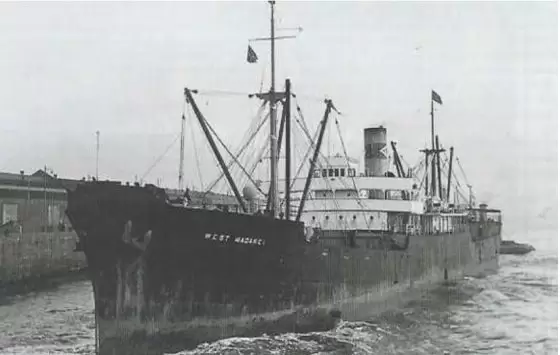
SS West Madaket
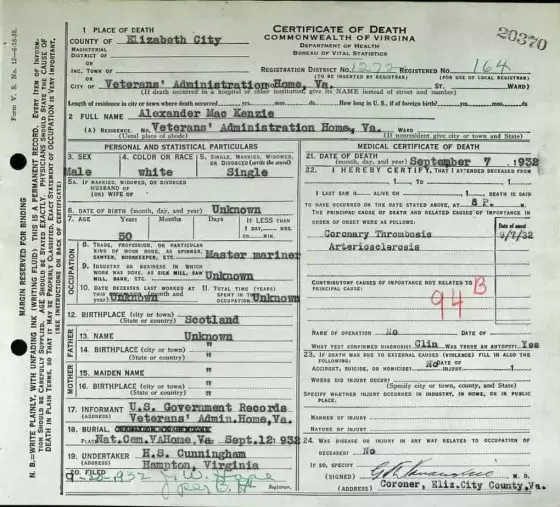
Alexander MacKenzie Death Certificate
Death and Legacy
Alexander MacKenzie died on 7 September 1932 at the age of 50, following a heart attack. He was living in Hampton, Virginia, and was buried in the Veterans Affairs National Cemetery there.
His life was one of movement—from the Isle of Lewis to the United States, and across the world’s oceans. He rose from modest beginnings to positions of significant responsibility, serving during a time of global conflict and contributing to the practice of navigation.
Today, his Ex-Meridian Altitude Tables stand as a reminder of an era when accurate navigation depended on skill, observation, and careful calculation. Though modern technology has replaced such methods, his work reflects the ingenuity and determination of the seafarers who came before.
Acknowledgement
This account has been enriched by information shared by Ian Alexander Macleod, a descendant of the MacKenzie family, whose contributions have added valuable detail and depth to the story.
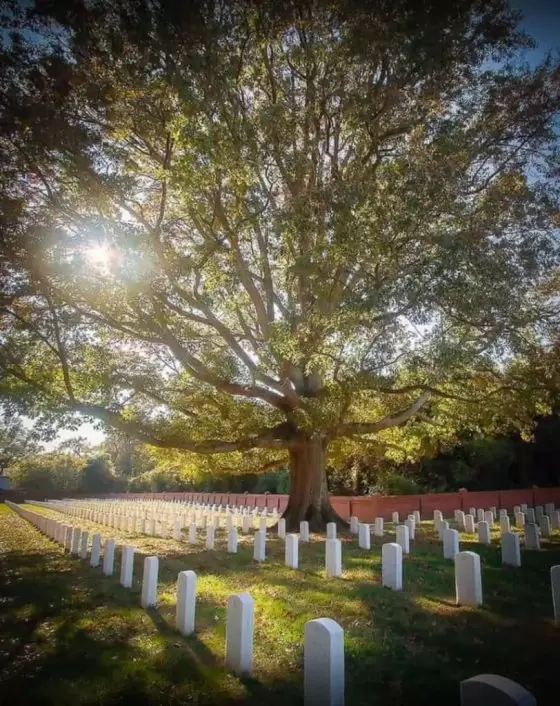
Veterans Cemetery, Hampton, Virginia