Cyril Yeates and Gretta Wright
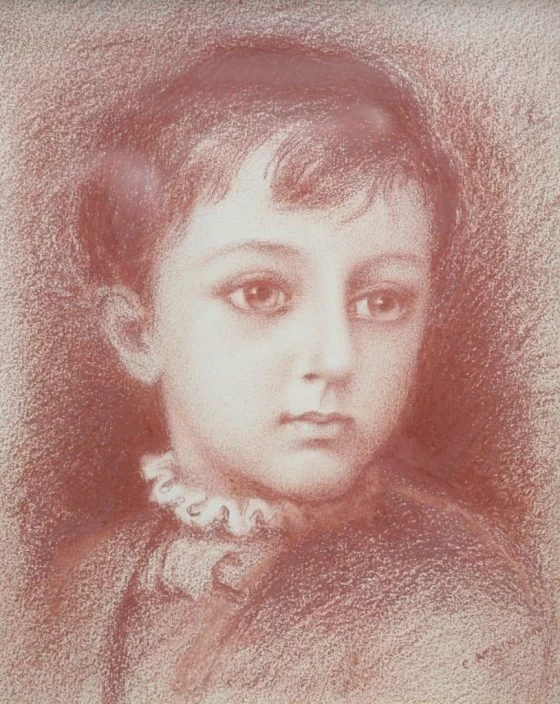
Cyril Yeates
Cyril Ernest Brettargh Yeates entered the world on 10 July 1875 at Brettargh Holt, near Levens in Westmorland, surrounded by the quiet beauty of the Lake District. His arrival, however, came at a time of profound change. Within just three months, his father, George Henry Brettargh Yeates, died at the age of only 34, leaving his mother, Caroline “Beatrice” Boulger, to rebuild her life as a young widow with an infant son.
In response, Beatrice acted swiftly. She sold Brettargh Holt and moved back to London, where family connections provided both support and stability. Soon after, she remarried. On 13 September 1878, she married William Bridges Webb, whose brother Charles had already married her sister Jemima. William later became Chairman of the Baltic Exchange, securing a prominent role in the maritime world. Together, Beatrice and William had three more children. Although they were technically Cyril’s half-siblings, the family raised them as one unified household. Consequently, London became Cyril’s true home, and he grew up within this blended and supportive family.
Cyril Schooling
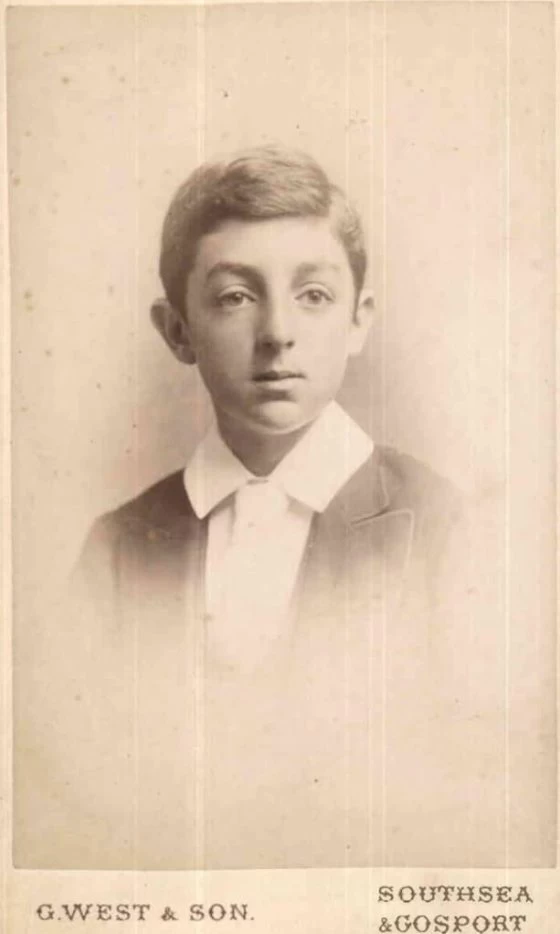
As Cyril grew older, his family sent him to Uppingham School in Rutland, following a common path for families of means. A photograph from 1890 captures him at fifteen, home on holiday in Portsmouth, standing at the threshold between boyhood and adulthood. Although London shaped much of his upbringing, Dorset—where the Webb family had roots in Wareham—continued to draw him back. Throughout his life, he returned there often, perhaps guided by a deep sense of familial belonging.
Group Photograph
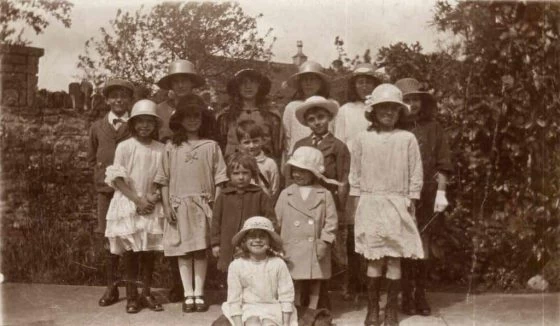
This photograph of a group of young children appears to have been taken in London.
Cyril is in the second row with the white hat.
Gretta – Early Years
Meanwhile, another story unfolded further north. Margaretta Mary Teresa Wright, known as Gretta, was born on 11 October 1884 in Glasgow as the eldest of six children. Her parents, Peter MacFie Wright and Margaretta Lyons, maintained connections to Dublin, and initially, Gretta enjoyed a comfortable upbringing in Glasgow’s West End. However, this stability did not last. In 1897, when she was thirteen, her father’s bankruptcy disrupted the family’s life and caused it to fragment.
As circumstances changed, the family made difficult decisions. The Daughters of Charity of St Vincent de Paul took in some of the children. Meanwhile, Gretta’s mother moved to London with the youngest child. Gretta herself likely went to Dublin, where she lived with her grandmother, Julia Clare Flynn. During this time, she formed a close bond with her cousin, the writer James Joyce. Their lifelong correspondence suggests that they shared both intellectual companionship and formative experiences during these years.
Marriage
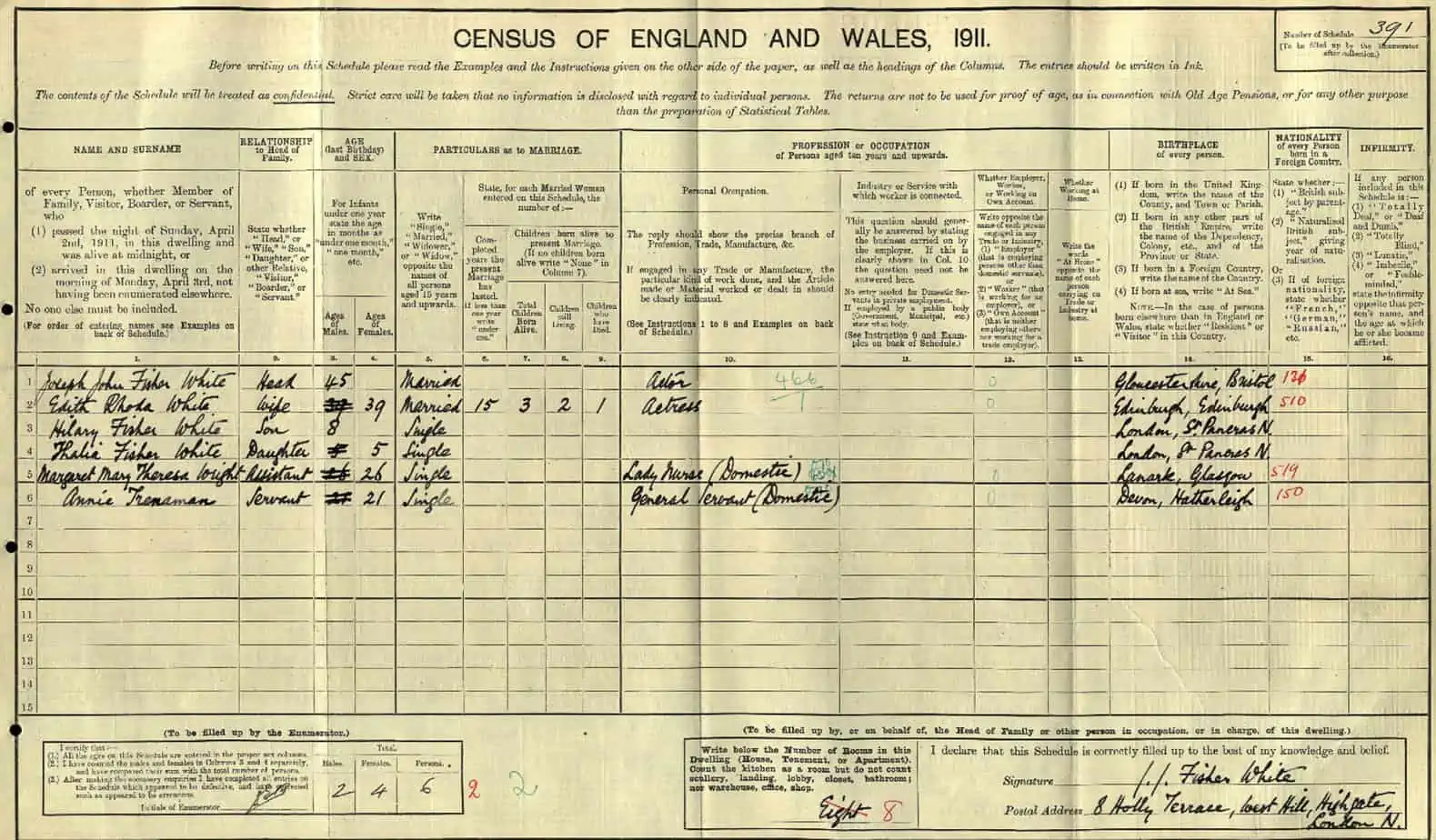
By 1911, Gretta had returned to London and secured a position as a Lady Nurse in Highgate. There, she cared for the daughter of actors John Fisher White and Edith Blackwell. This role required both trust and responsibility, demonstrating her capability and quiet determination after the disruptions of her youth.
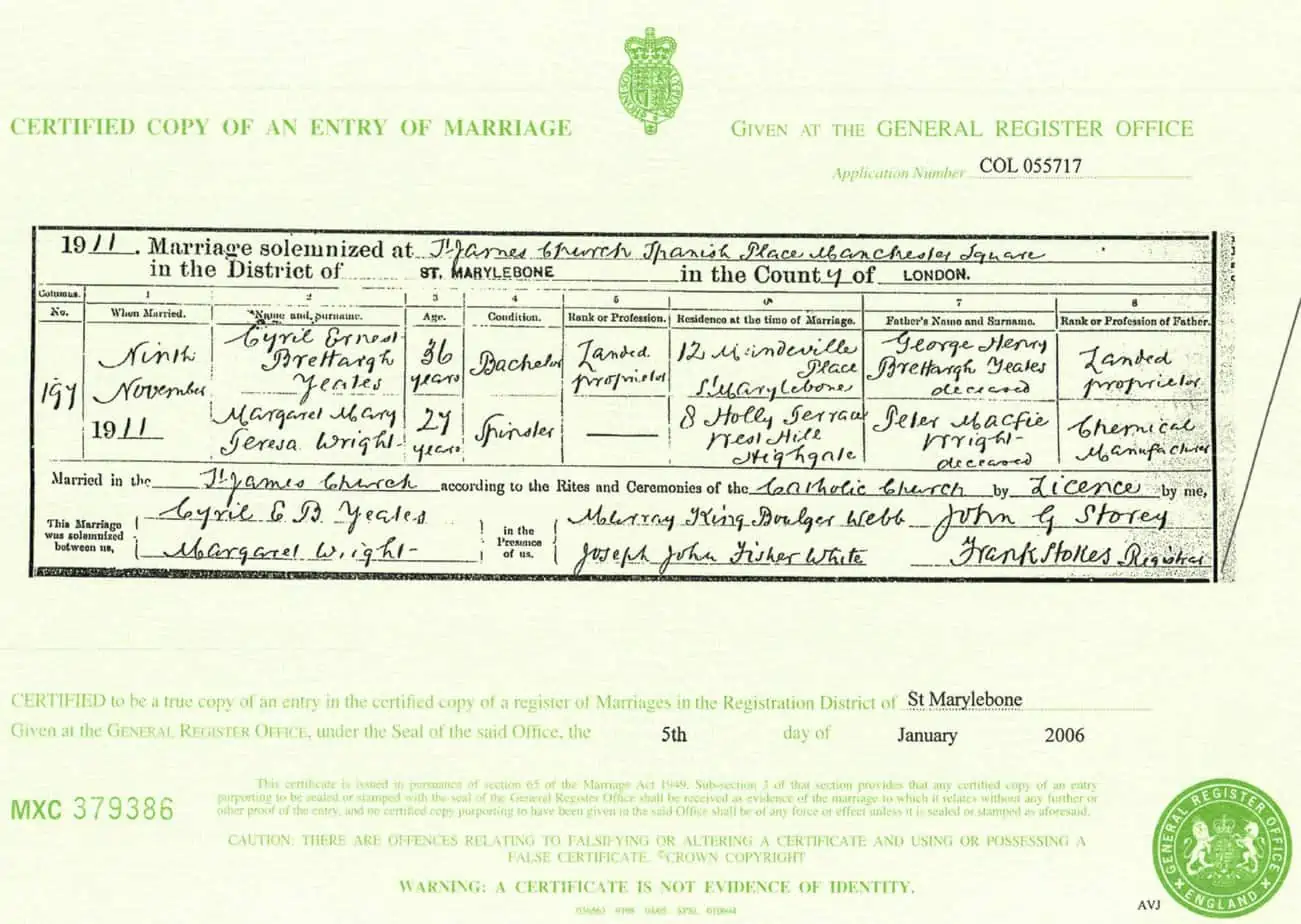
That same year marked a turning point in her personal life. On 9 November 1911, Gretta married Cyril Yeates at St James’ Church in Manchester Square, London. He was 36, and she was 27. Together, they established their home at 21 Talbot Square in Paddington, beginning married life in the heart of the city.
Dorset
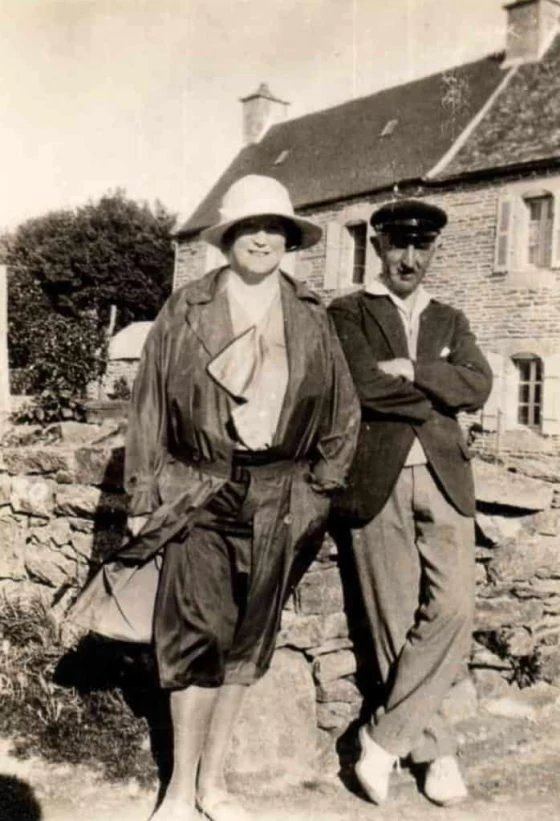
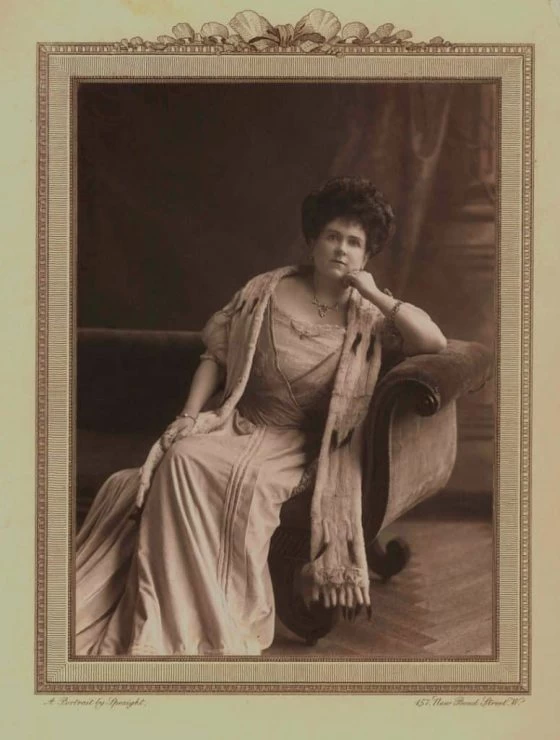
Although London served as their base, Dorset offered them a place of escape. They frequently spent time in Chideock on the west coast, beneath the imposing Golden Cap. During these visits, they enjoyed a slower pace of life, and photographs from the period show them relaxed and content.
William Bridges Webb
Soon, both joy and sorrow shaped their family life. In August 1913, Cyril’s stepfather, William Bridges Webb, died and was buried in Kensal Green Cemetery. The following year brought both loss and new beginnings. On 14 November 1914, Gretta gave birth to their daughter, Margaretta Mary Beatrice—known as Margery. Just two days earlier, however, Cyril’s mother Beatrice had died, closing one chapter of the family story even as another began.
First World War
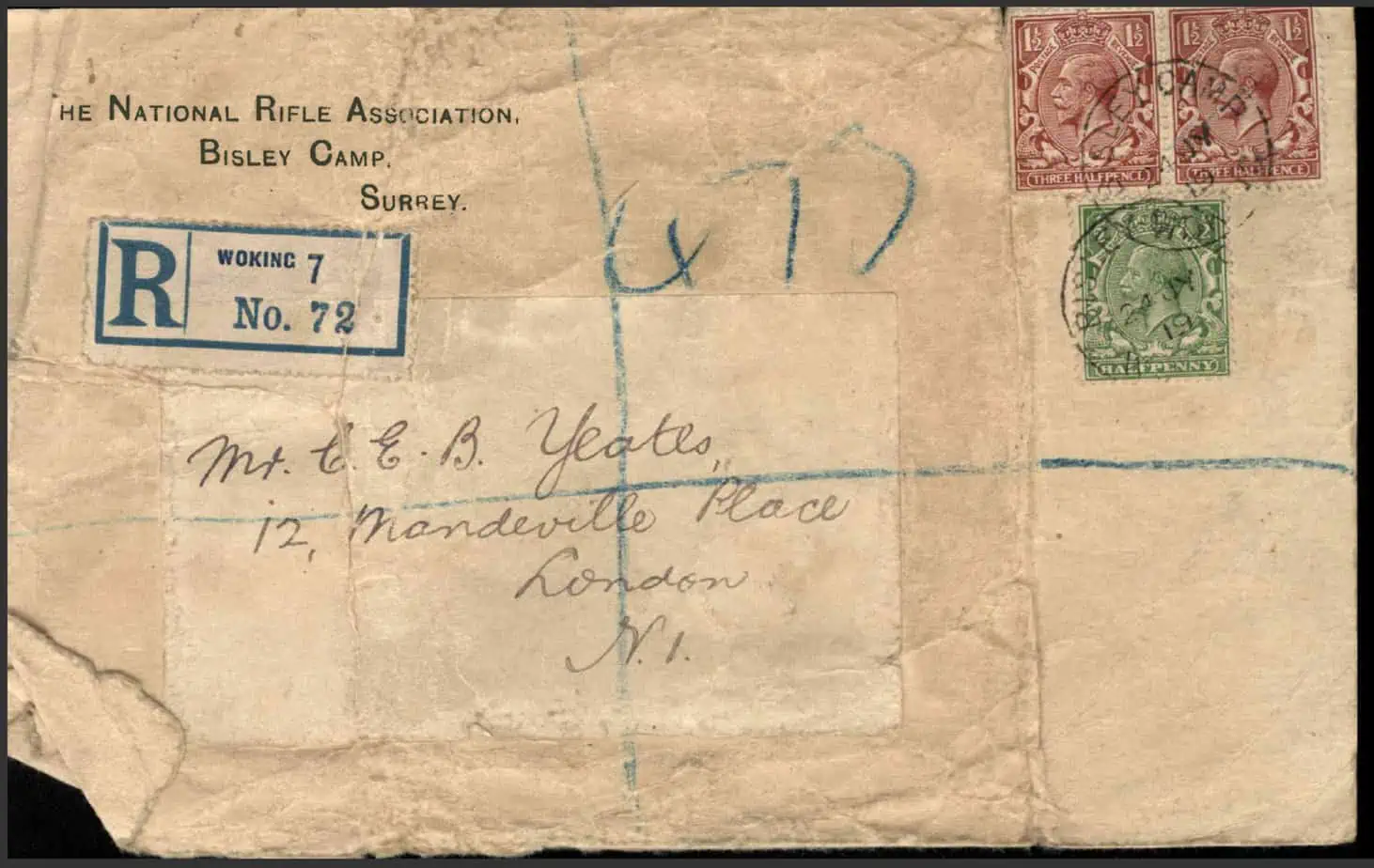
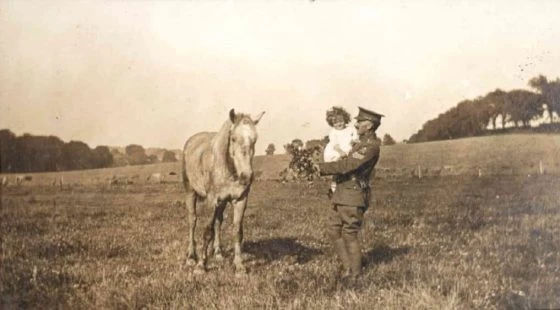
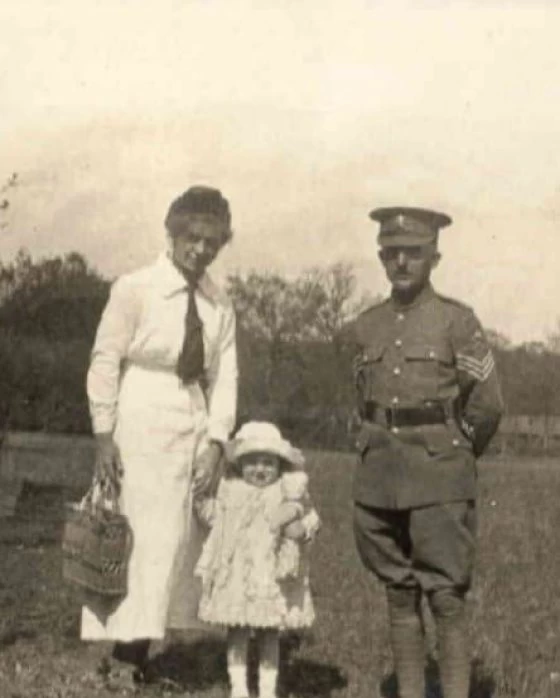
When the First World War broke out, Cyril approached forty and was likely too old for active combat. Nevertheless, he chose to contribute. As a skilled marksman and member of the National Rifle Association at Bisley, he joined the Army Training Regiment at Winnall Down near Winchester. During this time, he lived in the nearby village of Easton. His letters home describe a life shaped more by routine than by action. However, weekends provided relief. Gretta often travelled from London to visit him, and together they stayed in local hotels or visited Bournemouth, preserving moments of companionship amid wartime uncertainty.
The Black and White Cat Club
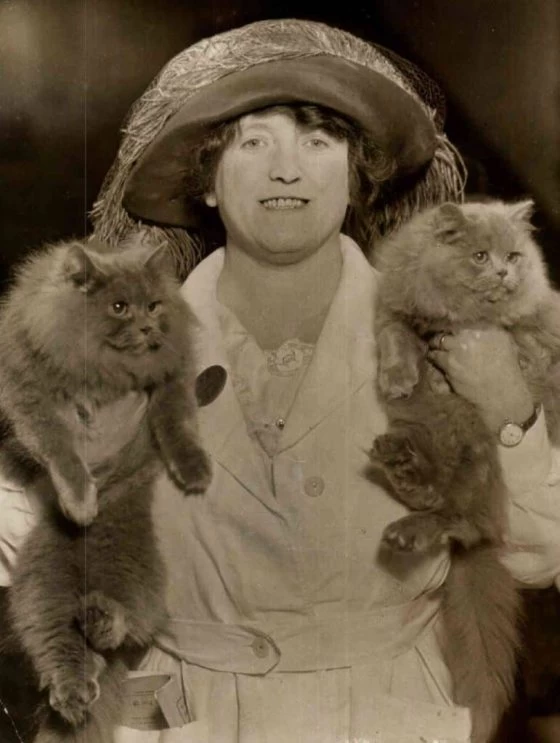
In peacetime, Cyril lived as a man of independent means, supported by inherited land in the Lake District. Rather than pursuing a conventional career, he dedicated himself to breeding pedigree show cats. He approached this pursuit with seriousness and precision. These were not simply pets but carefully managed animals, and he maintained strict boundaries around them, even within the household.
Aunty Mary
To help raise Margery, Cyril and Gretta employed a nanny, Mary Fahy. Born in Ireland and raised in an orphanage in Westbury-on-Trym, Mary became an essential part of the family. They affectionately called her “Aunty Mary,” and she remained closely connected to them for many years. Later, she returned to care for Cyril in his old age and became a beloved figure to the next generation.
Brittany
Whenever possible, the family also travelled. Cyril’s photograph albums preserve scenes from holidays in Brittany, offering glimpses of shared experiences and quiet contentment over the years.
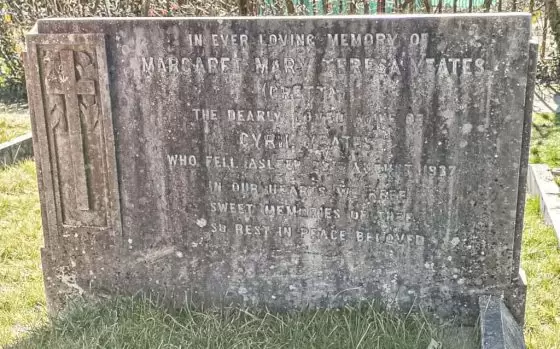
Tragically, this life together ended too soon. In 1937, after a short illness, Gretta died of a brain tumour in a nursing home in Bexhill-on-Sea. She was buried there, and her headstone reflects the deep love she inspired and the lasting sense of loss she left behind.
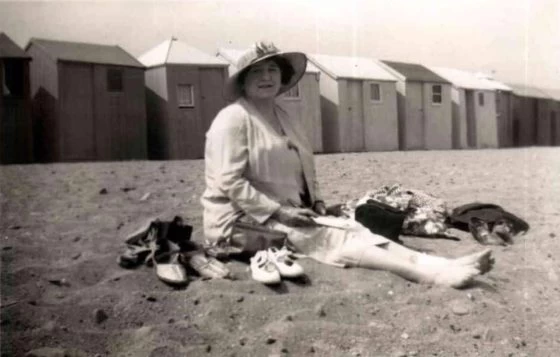
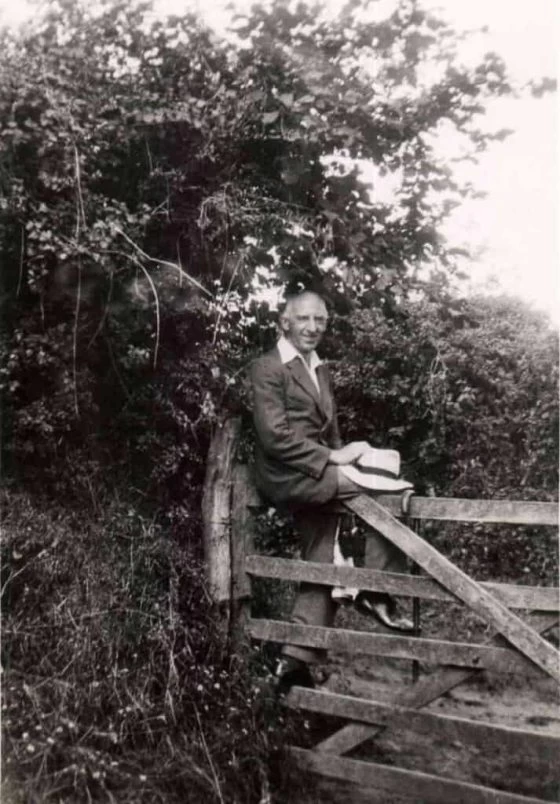
Cyril
Cyril lived for another thirteen years. When he died on 27 February 1950, his family cremated him and placed his ashes in the grave of his mother and stepfather at Kensal Green Cemetery. In doing so, they returned him, in a sense, to the family circle that had shaped his earliest years. A memorial to him is believed to exist in Highgate Cemetery, although its exact location remains unknown.
Headstone
Ultimately, Cyril and Gretta’s lives reveal a story shaped by loss, resilience, and enduring devotion. Through shifting circumstances and strong family ties, they created a legacy that continued across England, Ireland, and Scotland, carried forward by the generations that followed.