The First Lewis Woman in Athabasca
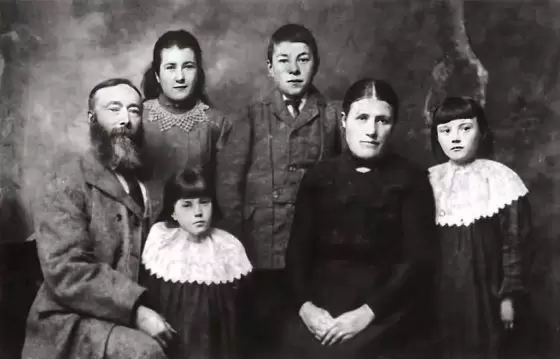
James Thomson and Isabella MacIver and family
James Thomson and Isabella MacIver
This story tells the remarkable journey of James Thomson and Isabella MacIver from 15 Tong on the Isle of Lewis, Scotland. James was the son of Alexander Thomson and Christina MacInnes, and he worked as a fur trader for the Hudson’s Bay Company in northern Canada, based at Fort Chipewyan.
James married his cousin Isabella MacIver in Stornoway on 27 April 1877. Shortly after their wedding, he returned to Canada. Isabella longed to join him, but the journey was dangerous and widely discouraged.
Fifty years later, in 1927, Isabella shared her story with the Stornoway Gazette. She described how she became the first woman from Lewis to travel to Athabasca. What follows is her journey, retold in a more accessible form.
Isabella’s Journey to Athabasca
Traveling from Stornoway to Fort Chipewyan was no small feat in 1880. Even experienced travellers found the route difficult, involving long sea voyages and exhausting inland travel by canoe and portage. For Isabella—who had never left her island and spoke no English—the journey was especially daunting.
After her marriage, Isabella wanted to accompany her husband back to Canada. However, people warned her about unrest among Indigenous groups and the harsh climate. Friends and family urged her not to go. Despite their fears, Isabella remained determined.
Even Dr. R. Miller, the Hudson’s Bay Company agent in Stornoway, tried to stop her. He warned her about extreme cold in winter and intense heat in summer. Still, Isabella trusted her husband’s experience and refused to give up.
Eventually, she had no choice but to delay her plans. For three years, she wrote to her husband, insisting that she wanted to join him. Finally, in March 1880, she received a letter confirming her passage and providing funds for the journey. She immediately began preparing.
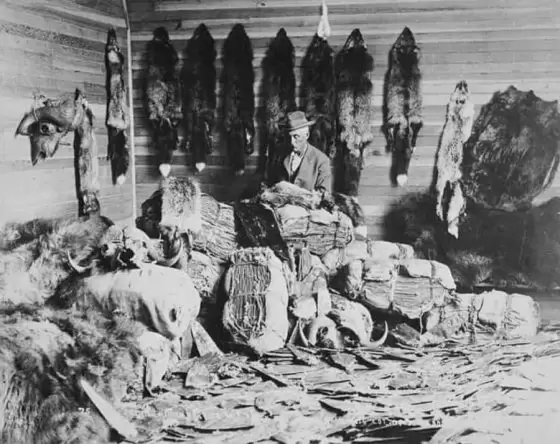
Fort Chipewyan Fur Trader. Colin Fraser
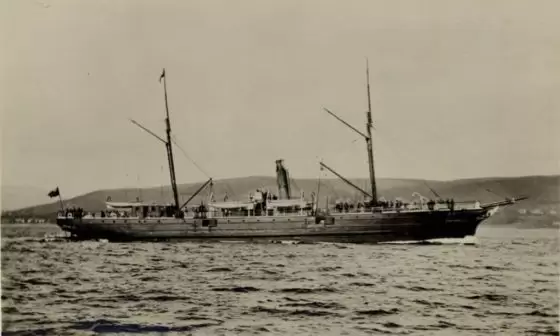
SS Clansman. Image courtesy of University of St Andrews Libraries and Museums
Voyage to Canada
Isabella left Stornoway in April aboard the SS Clansman and travelled to Glasgow. Because she spoke little English, she delayed her departure until she could sail with a Gaelic-speaking captain, Captain Maclean.
During the voyage, the captain regularly checked on her and offered encouragement. Before reaching Quebec, he introduced her to a Gaelic-speaking man named Mackay, who agreed to help her as an interpreter. Isabella, in turn, helped him financially when he discovered his ticket did not cover train travel.
The Atlantic crossing went smoothly, and Isabella arrived in Quebec in good spirits.
Journey to Winnipeg
From Quebec, Isabella travelled by train to Winnipeg. Since parts of the Canadian Pacific Railway were incomplete, the route passed through the United States, including cities like Detroit, Chicago, and St. Paul.
She remained on the train the entire journey and finally reached Winnipeg—her first major destination.
No one met her at the station, which disappointed her. However, she found her way to the Hudson’s Bay Company office, where Alexander Christie welcomed her and arranged comfortable accommodation. Her husband arrived two days later, and their reunion brought great joy.
During her stay, many men from Lewis visited her. They told her she was the only woman from her homeland in the area—and warned her that her real journey had yet to begin.
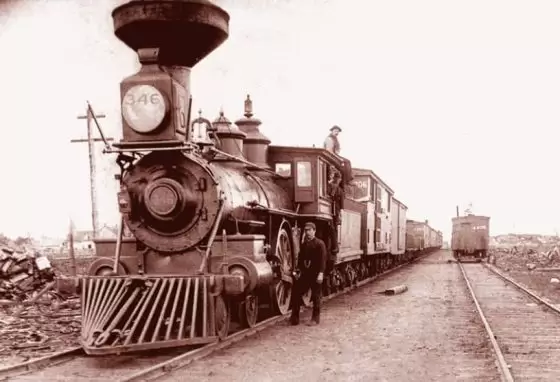
Canadian Pacific Railway
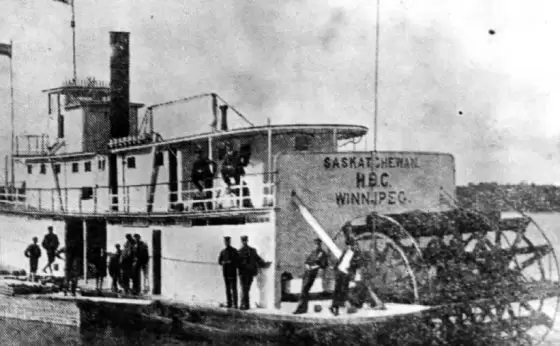
Steamship Colville
By Steamer and River
In June 1880, Isabella and her companions boarded the steamer Colville and travelled down the Red River. The countryside impressed her with its beauty and fertile land.
At times, the journey proved difficult. The steamer ran aground at the mouth of Lake Winnipeg, forcing them to unload cargo and try again. Later, they transferred to another vessel to travel up the Saskatchewan River.
They passed through lakes, forts, and settlements, including Prince Albert and Fort Carlton. Along the way, Isabella saw evidence of past conflicts and felt both fear and awe.
At Fort Carlton, an official entrusted her with an unusual task: transporting a cage of hens and a rooster over 1,500 miles to Fort Chipewyan. She accepted the responsibility without hesitation.
Across the Wilderness
Beyond Fort Carlton, Isabella entered truly remote territory. Travel now relied on carts, horses, and boats. She joined a caravan of ten carts and crossed vast, open landscapes filled with wildlife.
Each day, the group travelled together, stopping to cook meals and share stories. Despite the hardships, Isabella enjoyed the companionship and natural beauty around her.
After days of travel, they reached waterways that carried them deeper into the wilderness. They crossed lakes, rivers, and long portages—including the Methye Portage, a challenging overland route between river systems.
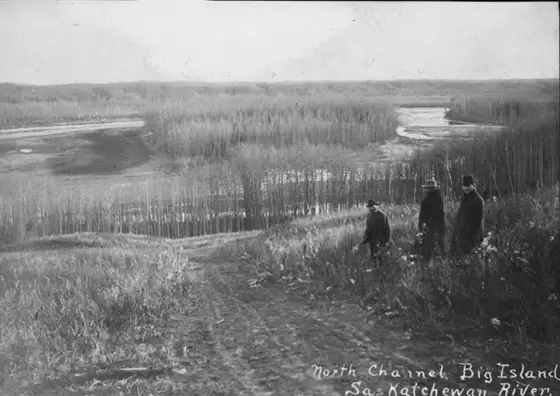
Saskatchewan River
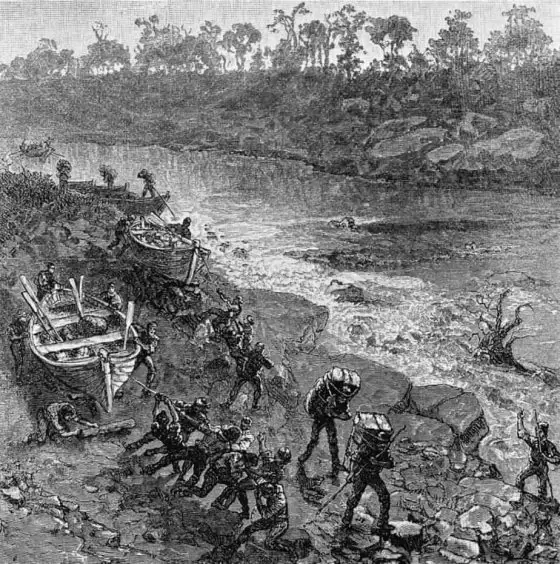
Grand Rapid to Fort Chipewyan
The Rapids and Final Stretch
As Isabella travelled by boat along the rivers, she encountered dangerous rapids. Experienced guides carefully navigated the waters, sometimes unloading cargo and carrying it around the falls.
The roar of the water and the power of the rapids left a lasting impression on her. Despite the danger, she trusted her companions and continued forward.
She later learned that she was likely the first woman from Lewis—and possibly the first Scottish woman—to travel these routes.
Arrival at Fort Chipewyan
After months of travel, Isabella finally reached Fort Chipewyan in early September 1880. She had successfully completed an extraordinary journey across oceans, rivers, and wilderness.
Officials at the fort congratulated her on her courage and determination. She had not only survived the journey but had also delivered her unusual cargo safely.
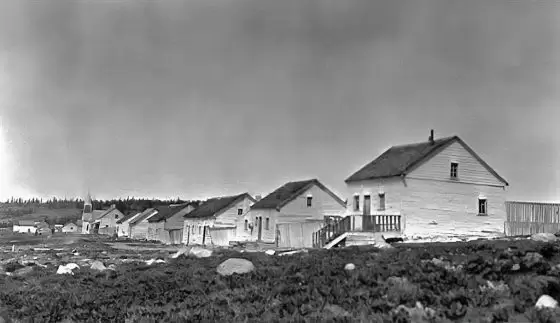
Hudson’s Bay Company Housing, Fort Chipewyan 1893. Image courtesy of Brault Kelpin.
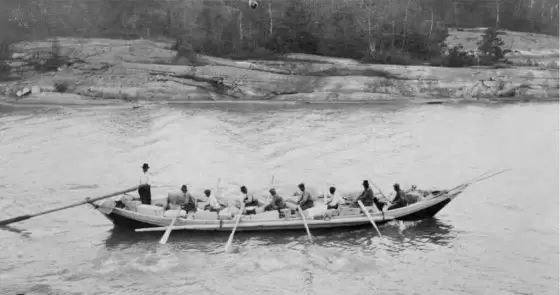
York Boat
Reflection
Looking back, Isabella remembered the kindness she received throughout her journey. People from many backgrounds—Indigenous guides, French voyageurs, and fellow Scots—helped her along the way.
Her health remained strong, and she looked forward to building a new life in Athabasca with her husband.
Islands Book Trust, Lewis
Embark on an extraordinary journey with Isabella or Ishbel, as she was known, as she ventures from the shores of Stornoway to the wilds of Fort Chipewyan. In 1880, this daring woman, who had never left her native island and spoke no English at the time, defied all odds to reunite with her husband in the untamed Canadian wilderness.
“All those who knew where I was going, and the difficulties I would have to surmount… did all in their power to dissuade me from my desperate undertaking.”
Join Isabella on this captivating adventure, where every page brings you closer to the heart of a remarkable woman and her incredible journey into the unknown. Her story appears here in Gaelic for the first time.
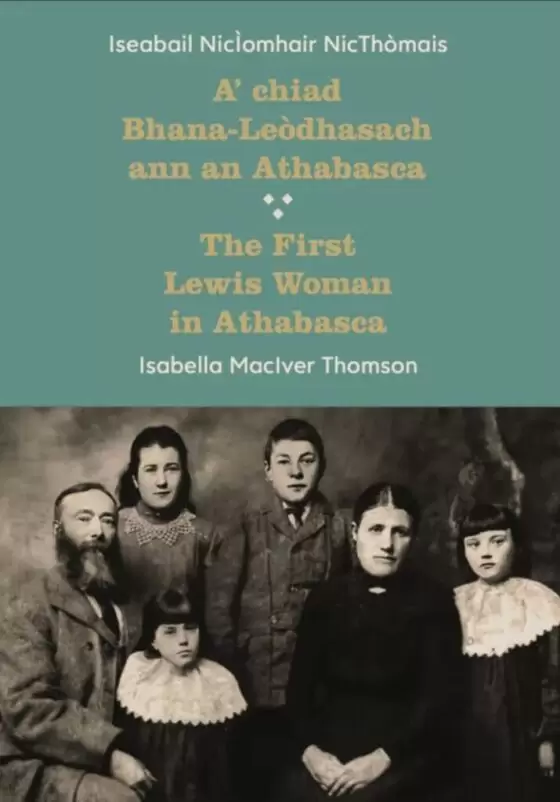
This story has now been published as a printed booklet, in both English and Gaelic by the Islands Book Trust, in Lewis. Copies can be ordered from their website using the link opposite.
Postscript
Isabella’s journey did not end at Fort Chipewyan. Later research has revealed more about her life there, including complex relationships and the realities of frontier life. That story continues beyond this account.
I will tell this story in the second part of this article,
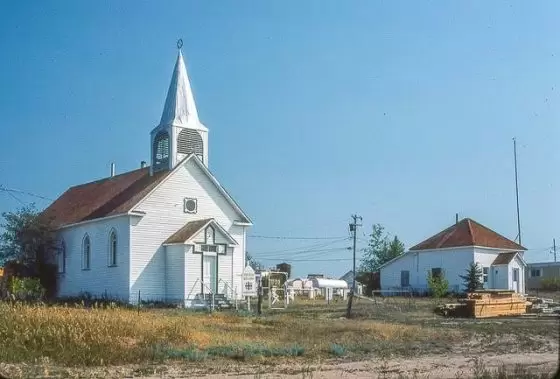
Anglican Church, Fort Chipewyan, 1980. Image courtesy of Brault Kelpin
21st December 2024 @ 04:22
This was so interesting for me to read..my Great Grandfather (Kenneth McLeod) from Leurbost Isle of Lewis, was a Blacksmith for the Hudson Bay Co. At Moosefactory from 1867 to 1902. He travelled and worked at many of the Northern posts including Rupert River, Newpost, Abitibi, and others throughout those years. He travelled primarily by York boat. When he retired in 1902, He, His wife ( Ann Eliza Moar, and 8 of their 13 children (plus whatever they could pack) travelled by Freighter Canoe down the Moose River to the Missinaibi River to Chapleau. Then by train to Rossport, Ont. Where He retired.
Thank you for your article..It helped me understand how difficult it must have been for my Gr. Grandparents to make that trip.
22nd December 2024 @ 13:05
I’m glad you enjoyed reading it. It certainly sounds like you have an interesting story to tell about your own ancestor.
15th October 2024 @ 12:13
Ian. I have read Isabella MacIver Thomson’s account with great interest — it is incredibly well-written and captivating. We’d love to make her story accessible to a wider audience and discuss our plans with you. Could we exchange email addresses to talk further? Looking forward to hearing from you.
20th February 2023 @ 21:25
Ian. This is a truly remarkable account of a very courageous woman who obviously loved her husband true. The notes made and the photos you have added make this a compulsive and really interesting read. I visited and lectured in Winnipeg ( I think in May) and it was well below freezing. It is good thing she journeyed in September! I can not imagine how she and husband survived winters 2000 miles NW of Winnipeg…. Must be good Lewis Thomson blood! Thank you for sharing this with us.
21st February 2023 @ 09:35
Thanks, Peter. Well, I hope you enjoy Part 2 as well. It is all about the native wife he had in Fort Chip, which is probably why Isabella was so keen to go out to Canada.
Ian