The Thomson DNA
The Thomson DNA
Tracing a Paternal Line Through Time
Introduction
I recently took a Y-DNA test in the hope of tracing the lineage of my Thomson ancestors. For over thirty years, my family’s research had reached a dead end with one man: James Thomson, a schoolmaster who appeared in Lochaber before 1725. Despite my father’s extensive efforts, no documentary evidence could take us further back.
Y-DNA testing, however, has introduced a new line of enquiry—one that may finally allow us to move beyond that long-standing barrier.
This article explores how DNA evidence, combined with traditional genealogical research, has helped narrow down the possible origins of our earliest known ancestor.

Understanding Y-DNA
Autosomal DNA—the kind most people are familiar with—is inherited equally from both parents. Because it is recombined with each generation, it becomes diluted over time and is generally useful for tracing ancestry back only five to seven generations.
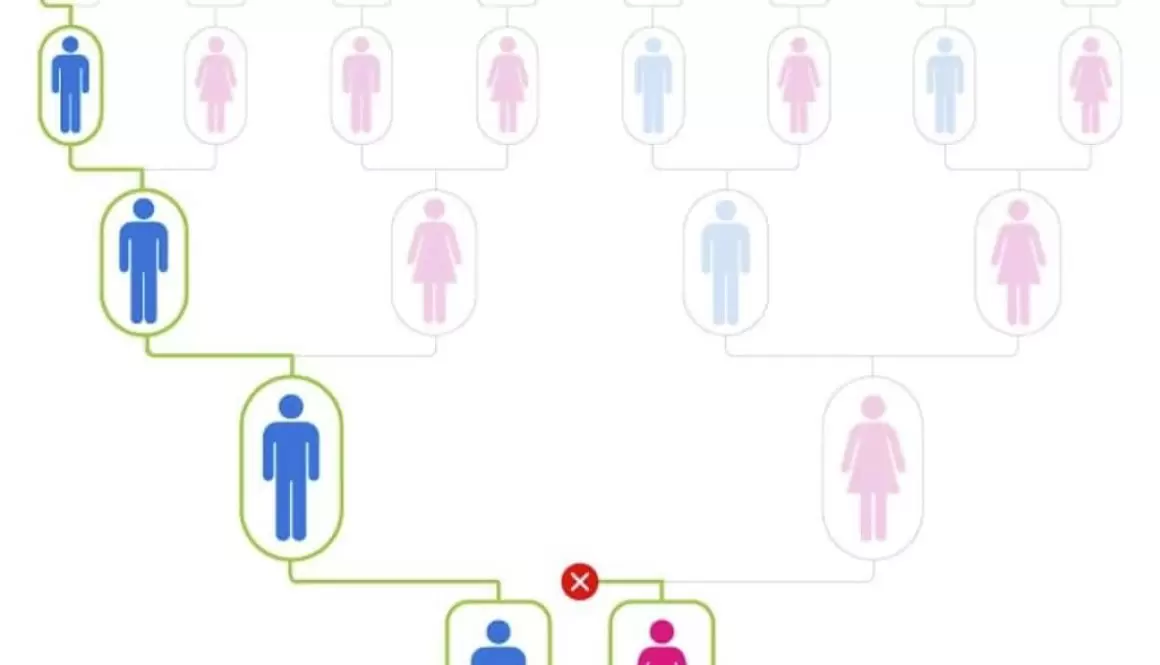
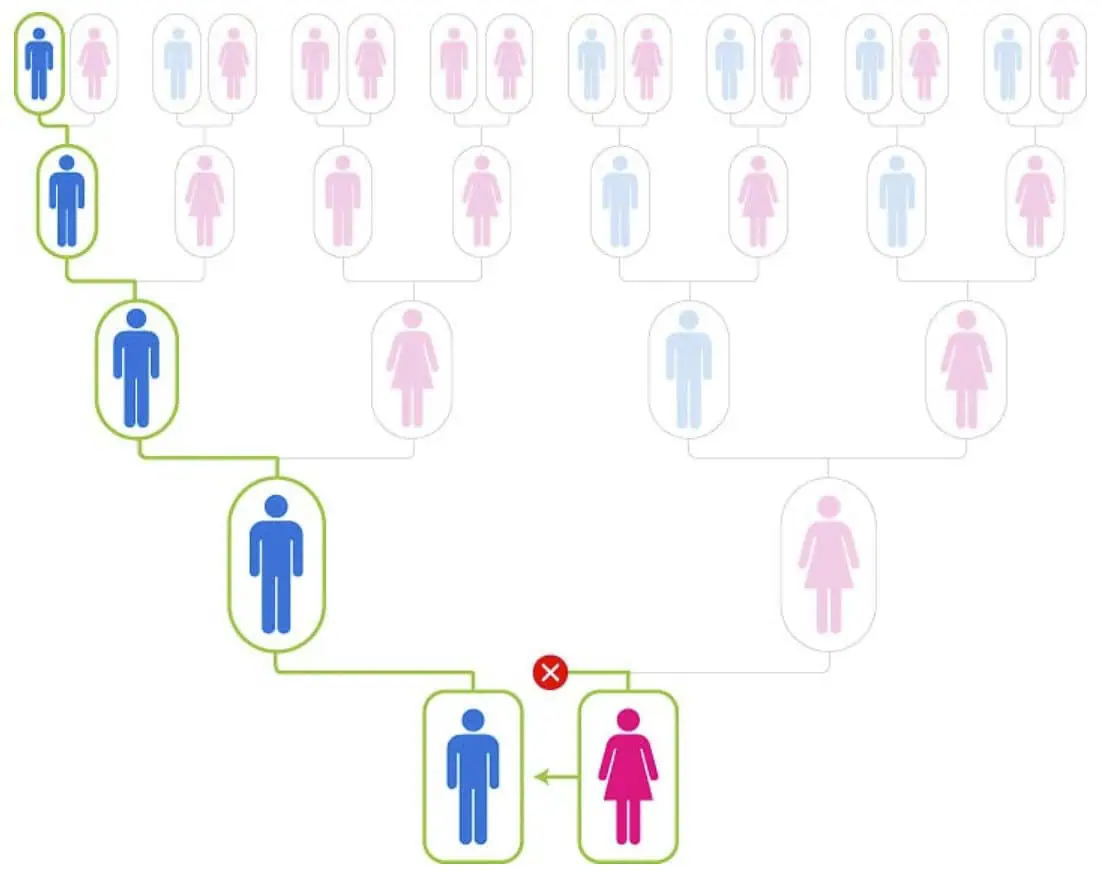
Y-DNA is different. It is passed almost unchanged from father to son, with only minor mutations over time. This makes it a powerful tool for tracing paternal lineage far deeper into the past.
Its limitation is equally clear: it follows only the direct male line—father to father to father. In most cases, this corresponds with the inheritance of a surname, which is why this investigation focuses specifically on the Thomson name and its variations.
My Father’s Research
My father devoted much of his retirement to tracing our Thomson ancestry on the Isle of Lewis. Through painstaking archival work—particularly within the records of the Society in Scotland for the Propagation of Christian Knowledge (SSPCK)—he identified our earliest known ancestor:
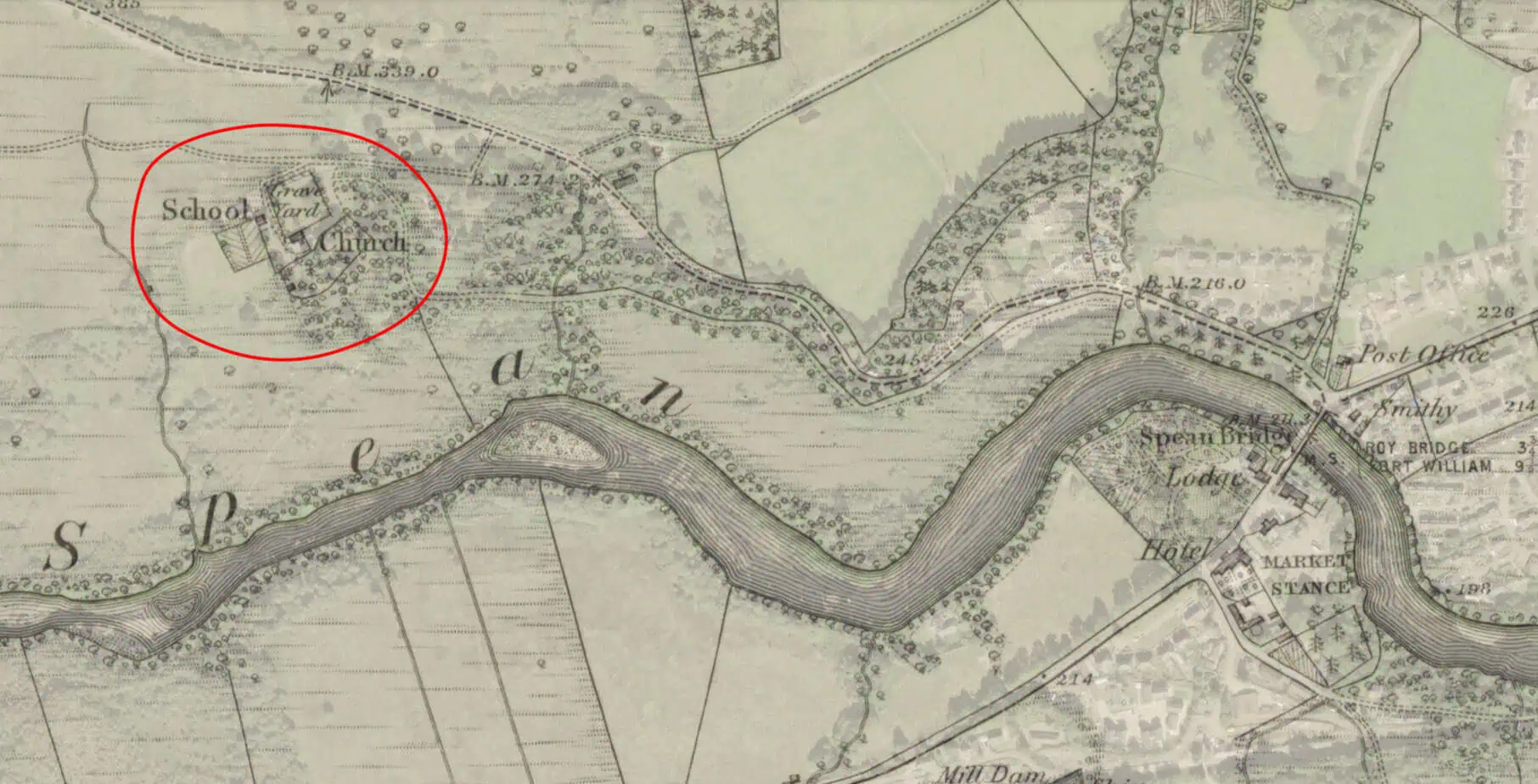
James Thomson, a schoolmaster and catechist working in Glen Spean, in the parish of Kilmonivaig, before 1725.
The SSPCK records noted that James had come from Banff, which my father interpreted as possibly meaning Banffshire more broadly.
This search became known in our family as “The Hunt for Jimmy.”
Unfortunately, the parish register for Kilmonivaig had been destroyed in a storm, and no further evidence could be found. My father concluded—reluctantly—that the trail ended there.
For decades, it did.
The DNA Breakthrough
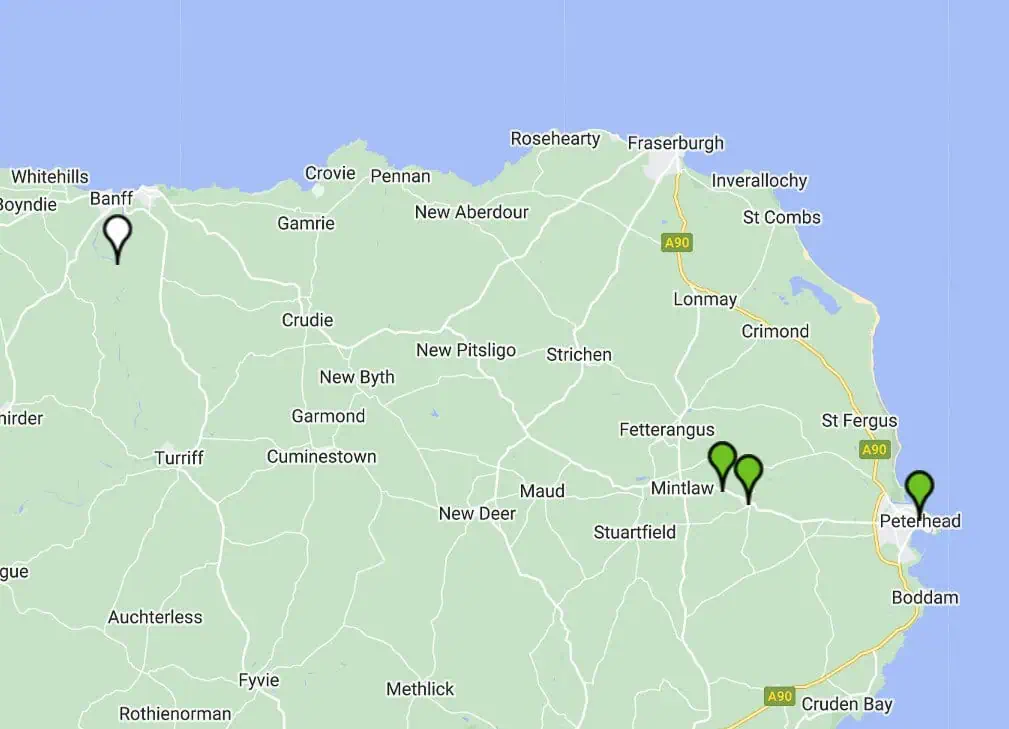
My Y-DNA test revealed three strong matches:
-
- Two with the surname Thom
- One with the surname Will
Initially, I assumed that “Thomson” might mean “son of Thom,” but further research showed that Thom, Thomson, and Thompson are simply variations of the same surname.
These matches pointed to a shared paternal lineage with families from north-east Aberdeenshire, particularly around the parish of Longside.
This gave me something my father never had:
a genetic link to a specific geographical area.
Narrowing the Search
My father had worked with three key clues:
-
- Name: James Thomson
- Origin: Banff or Banffshire
- Approximate birth period: late 17th century
The DNA evidence added a crucial fourth:
-
- A connection to the Thom and Will families of Longside
This allowed me to focus my research on a defined area:
-
- Longside
- Peterhead
- Old Deer
- St Fergus
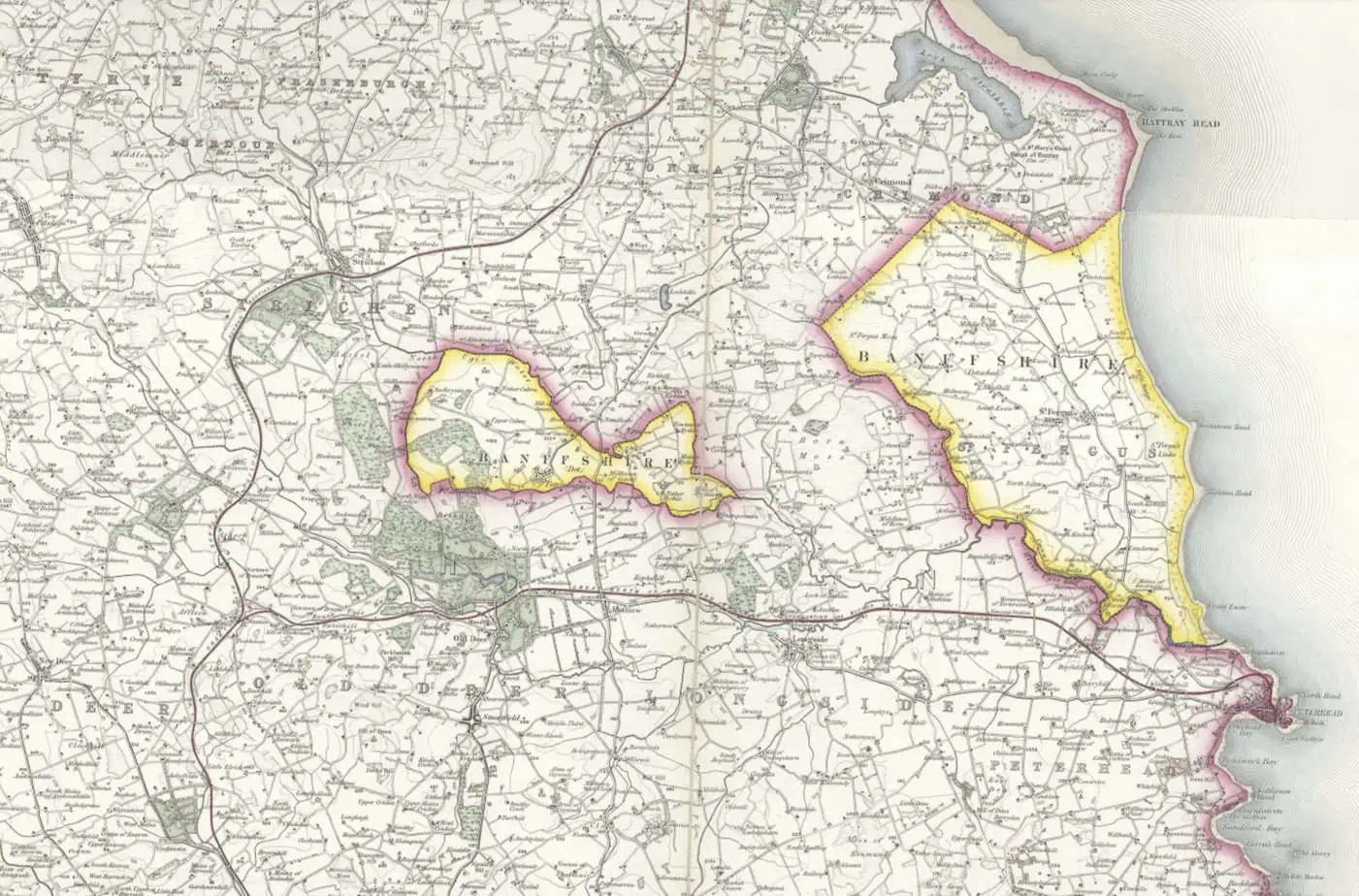
Importantly, parts of this region historically belonged to Banffshire, even though they are now in Aberdeenshire. This means an individual from this area could accurately describe themselves as being “from Banff.”
Building a Shortlist
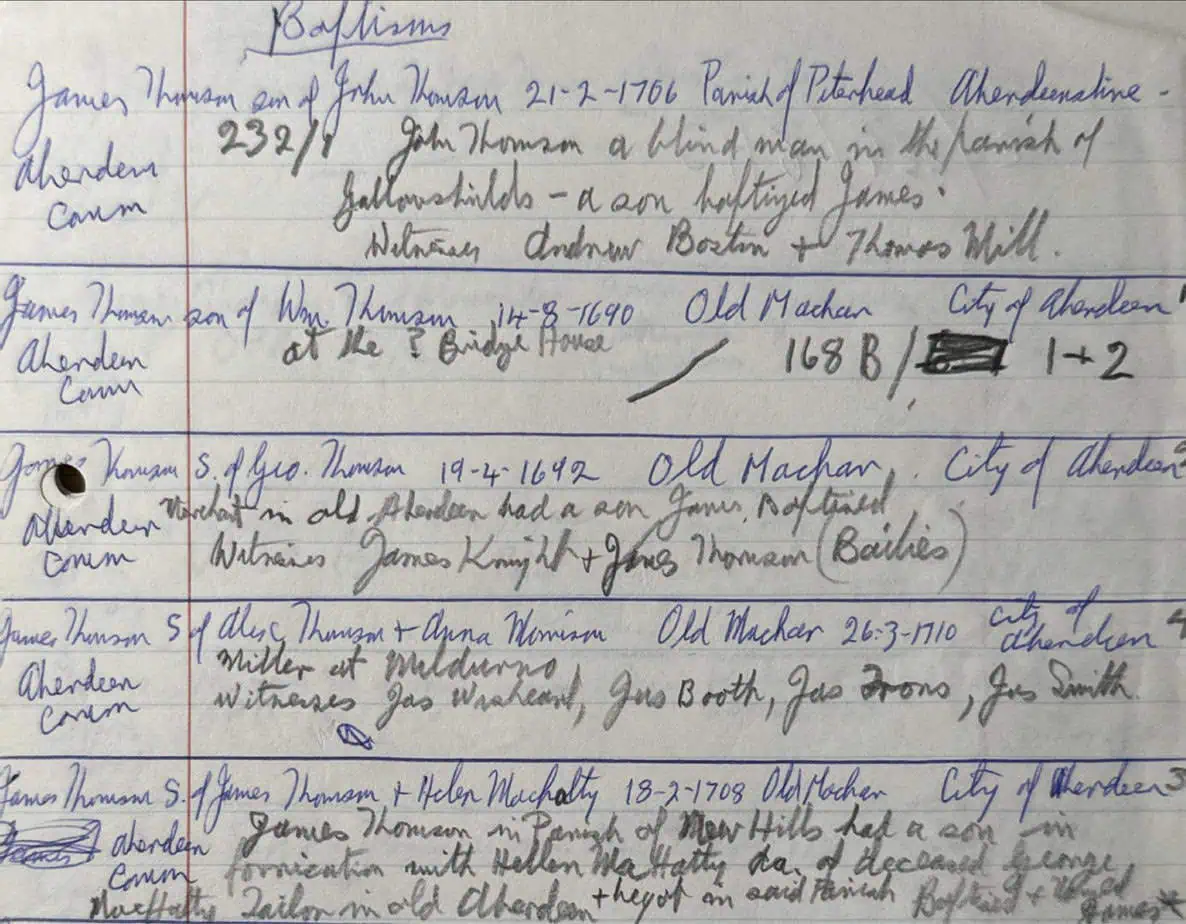
I began by replicating my father’s method, searching baptism records for individuals named James Thomson (and spelling variants) born between 1692 and 1697.
This produced a shortlist of 17 candidates.
However, there was a major limitation:
around 40% of parishes in Aberdeenshire and Banffshire have no baptism records before 1700. Crucially, Old Deer—central to my search area—has no records before 1735.
This meant I had to look beyond baptism registers.
The Ghosts of Old Deer
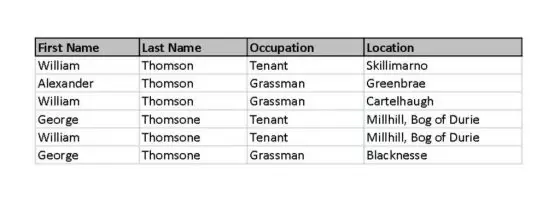
To compensate for missing records, I turned to the 1696 Poll Tax, which functions as a kind of census. It records all non-pauper individuals over the age of 16, including occupation and residence.
In Old Deer, it identifies eight adult male Thomsons.
Six of these were married and likely had families. However, because children were not recorded, I cannot determine whether any had a son named James.
I refer to these unknown potential fathers as “the Ghosts of Old Deer.”
Statistically, the likelihood that one of these men had a son named James is low—but not impossible. Without further records, this line of enquiry remains unresolved.

Re-evaluating Banffshire
The DNA evidence strongly suggests that the Thom and Will families were concentrated in north-east Aberdeenshire, not in what we would consider “modern” Banffshire.
This allowed me to:
- Downgrade candidates from central Banffshire
- Focus instead on areas near Longside
Mapping the Evidence
By combining:
-
- Baptism records
- Poll Tax data
- DNA matches
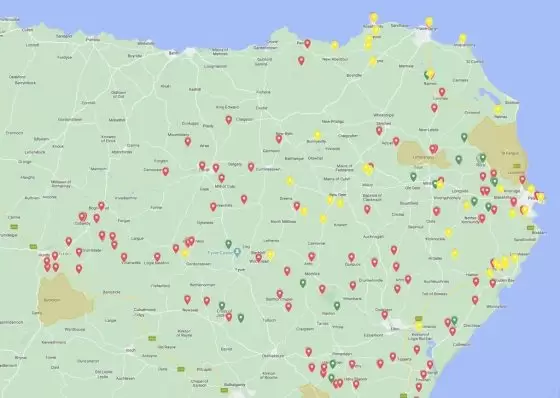
I created a geographic distribution of:
-
- Candidate individuals
- Thom family members
- Will family members
This revealed a clear pattern:
-
- Candidates far from Longside (e.g. Forgue, Ellon) could be ruled out
- Candidates closer to Longside remained viable
After this process, only a handful of strong candidates remained.
Two Leading Candidates
The evidence now points most strongly to two individuals:
-
- James Thomson of Auchtydonald
- James Thomson of Strichen
These candidates stand out due to:
-
- Proximity to Longside
- Proximity to DNA-linked families
- Plausible connection to Banffshire
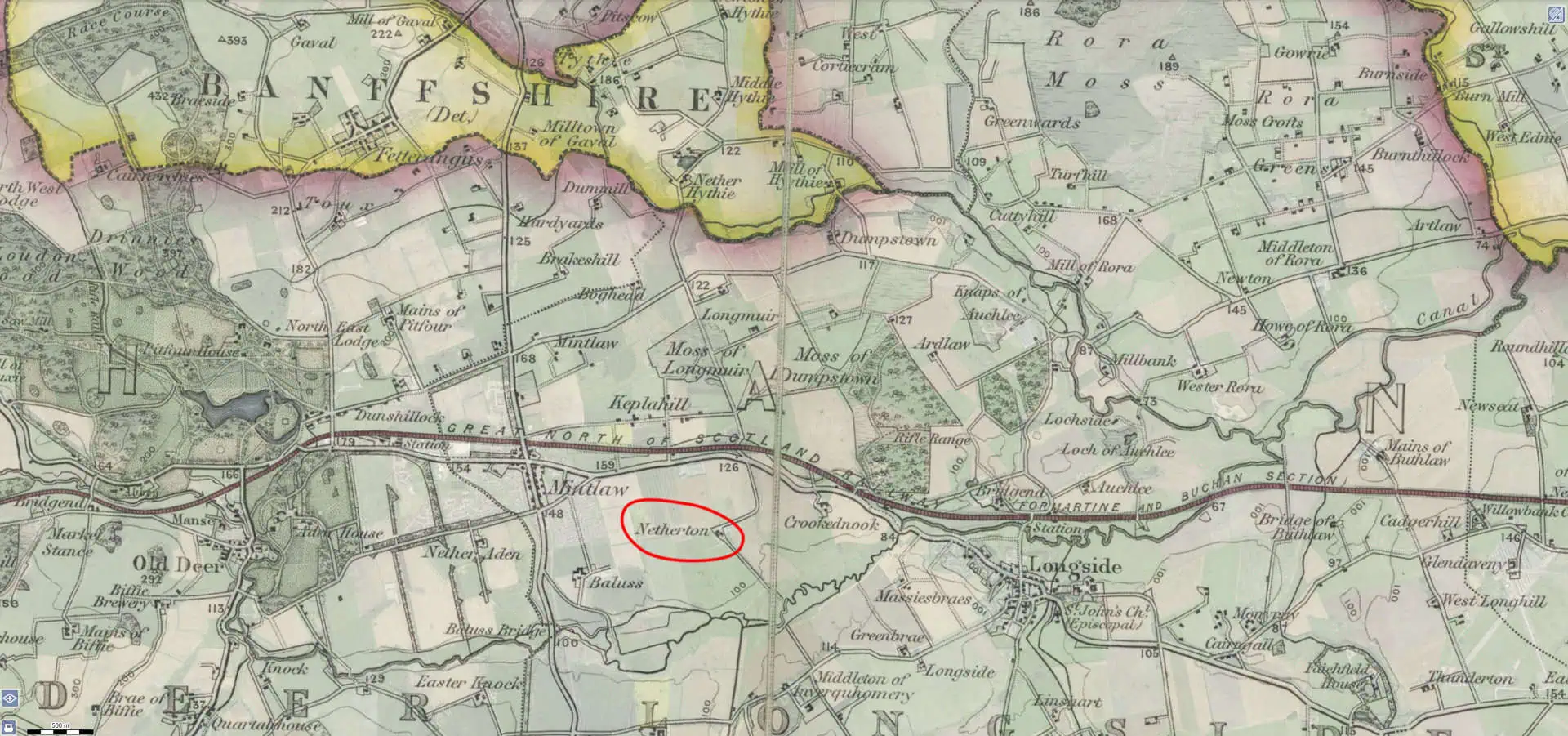

The Case for Auchtydonald
One candidate, born on 11 October 1694, appears particularly compelling.
He was:
-
- The son of James Thomson of Auchtydonald
- Born in the parish of Longside
Tragically:
-
- His mother died the day after his birth
- His father died when he was five years old
By early childhood, he was an orphan.
This raises important questions:
-
- Who raised him?
- How did he receive an education?
- How did he become a schoolmaster in Lochaber?
There is some evidence suggesting he may have married in Peterhead in 1718, indicating he remained in the area before moving west.
While not conclusive, this narrative is both plausible and consistent with the available evidence.
The Strichen Candidate
Research into the Strichen candidate is ongoing. At present, the evidence is less developed, but the individual remains a viable possibility.
Further investigation may either strengthen or eliminate this line.

Remaining Uncertainty
Despite the progress made, a key limitation remains:
The absence of records in Old Deer.
It is still possible—though unlikely—that our ancestor was born there and cannot be identified due to missing documentation.
As a result, absolute proof may never be achievable.
Conclusion
For over thirty years, James Thomson of Lochaber represented a genealogical dead end. Y-DNA evidence has now transformed that situation, allowing the search to be focused geographically and statistically.
The strongest current conclusion is that our ancestor most likely originated in the Longside area, with Auchtydonald emerging as the leading candidate.
While definitive proof may remain elusive, the combination of DNA evidence, historical records, and geographic analysis has brought us closer than ever before.
