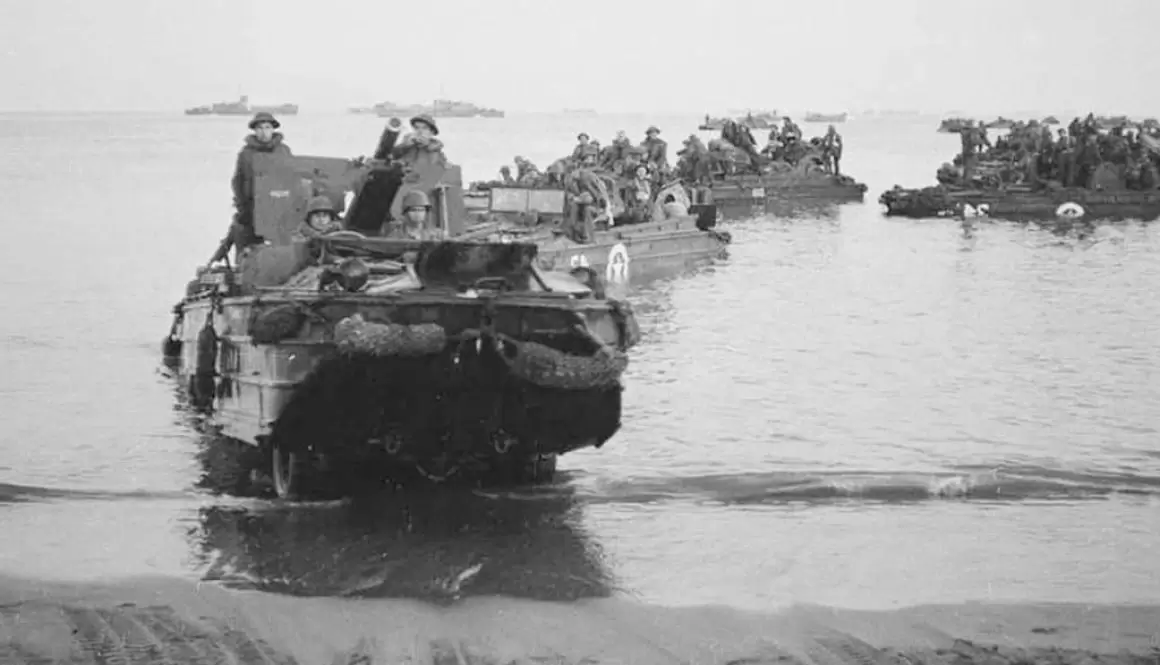
A Doctor at Anzio 1944
A Doctor at Anzio 1944
A Doctor at Anzio
Dr Joe Turney wrote this account based on his service alongside my father in 3 Field Ambulance during the Anzio Campaign. He and my father remained close friends long after the war. They served under Lt Col P. L. E. Wood—known to them as “Plew”—and my father, referred to as “Tommy,” features in Joe’s recollections.
Joe first met my father aboard the troopship Tamaroa, sailing from Avonmouth to Algeria. Their unit later served in North Africa, landed on Pantelleria, and moved on to mainland Italy at Taranto. Eventually, my father transferred to another unit in the Apennines.
The following account is told in Dr Turney’s own voice.
Landing at Anzio
On 4 February 1944, a bright, cold morning, I served as Regimental Medical Officer to the 2nd Battalion, Sherwood Foresters. I had taken over after my predecessor was captured. Later that same day, I also assumed responsibility for the 1st Battalion, King’s Shropshire Light Infantry.
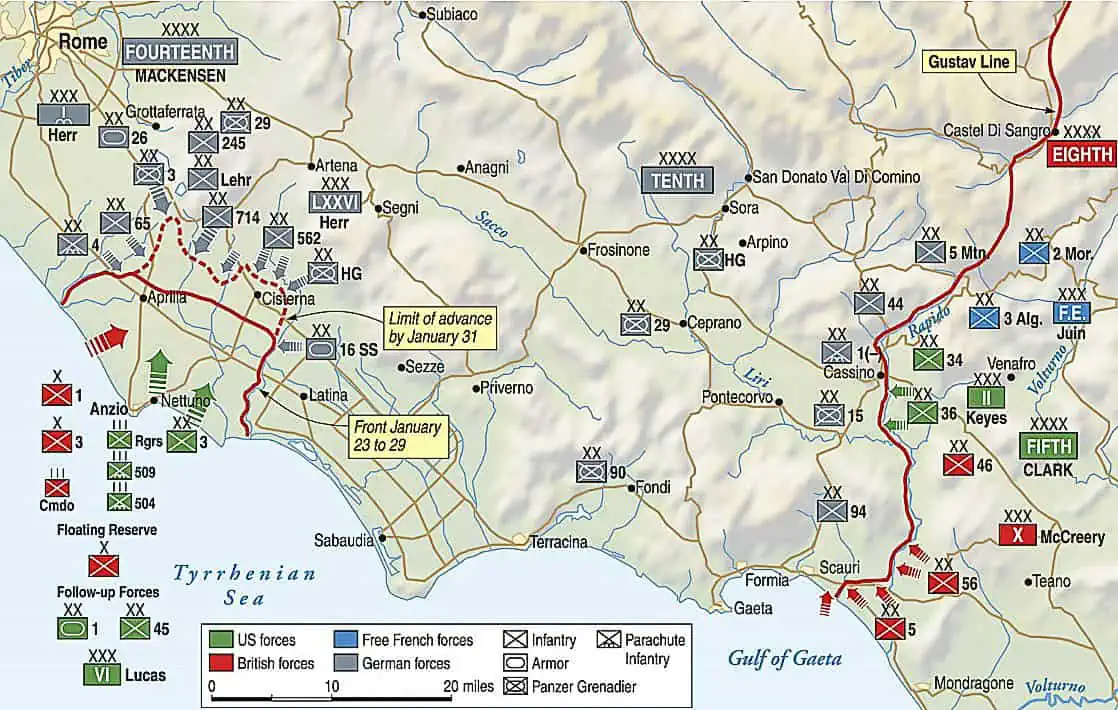
The Allies had landed at Anzio two weeks earlier.
Campoleone
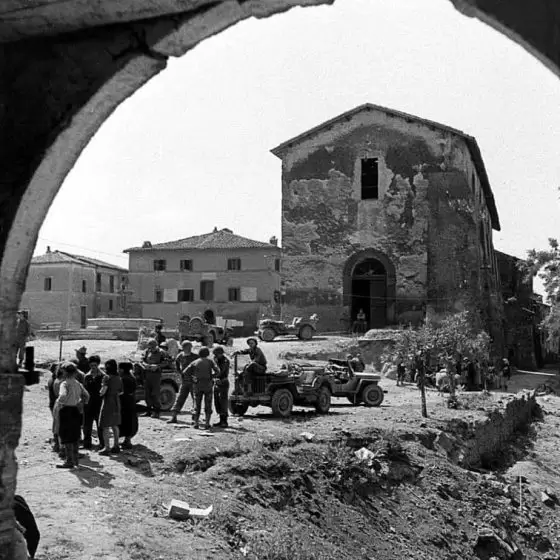
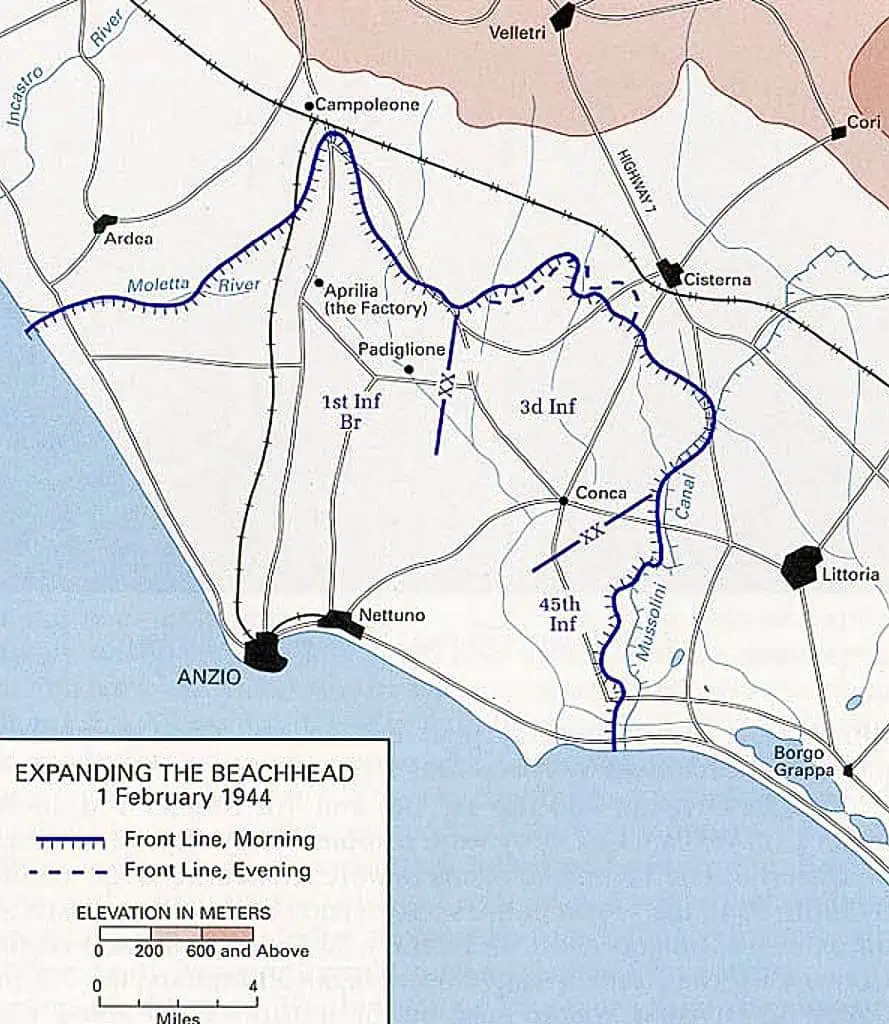
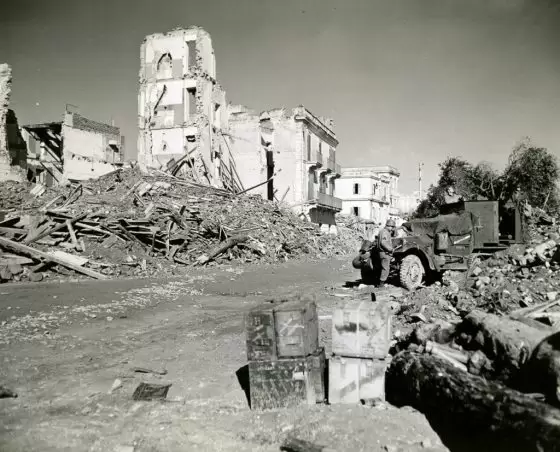
A few days before the German counterattack, I set up a Regimental Aid Post (RAP) in a small shop in Campoleone, about 15 miles north of the port—the furthest point reached by the Allied advance. The shop lay in complete disarray, stocked mostly with buttons and baby powder. During a brief calm period, we sorted supplies, and I even sent some buttons home.
Surrounded
The 3rd Brigade held a narrow salient, two miles long and about 1,000 yards wide. One morning, we stepped outside at dawn and spotted a German tank just a few hundred yards behind us. The enemy had cut off the salient—we found ourselves surrounded.
At that moment, I occupied the most forward medical position of any Allied doctor in Italy.
Preparations for Landing
The Allies planned the Anzio landings to break the deadlock at Monte Cassino. The objective was to seize the Alban Hills and cut German supply routes.
Before the operation, we trained intensively near Naples. We waterproofed vehicle exhausts so ambulances could land in shallow water. After months of relative inactivity in North Africa, we rebuilt our fitness—I even marched my men up Mount Vesuvius.
The Initial Landing
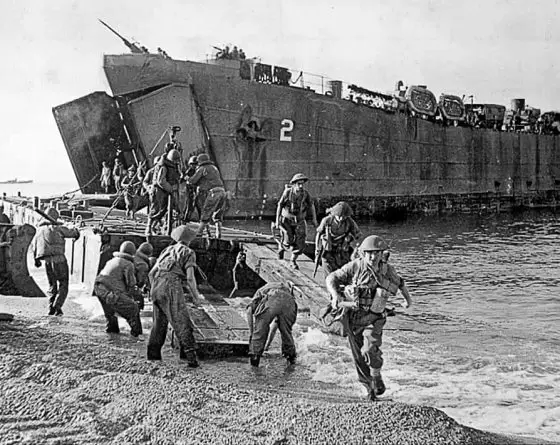
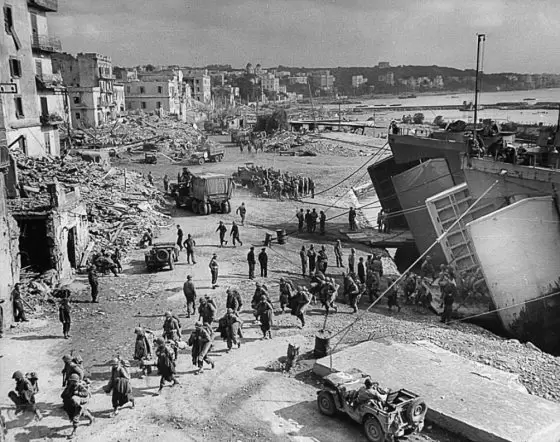
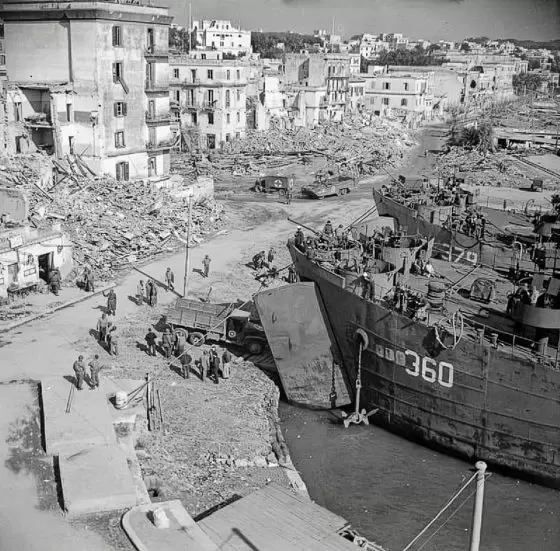
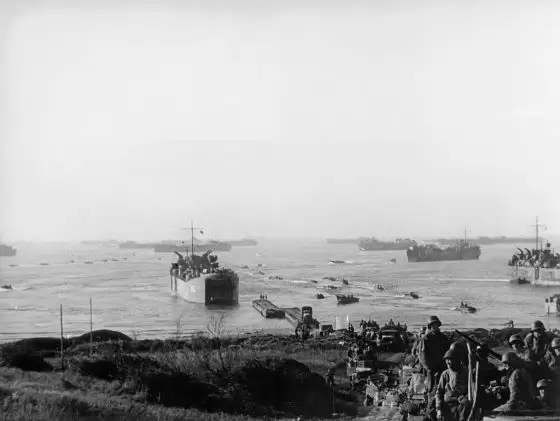
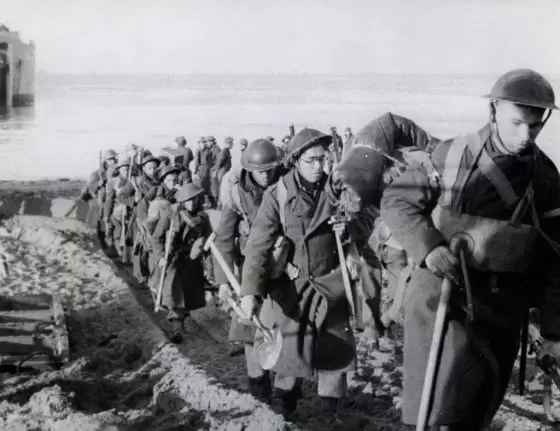
On the night of 21–22 January, we sailed north as part of the invasion force. The leading brigades captured Anzio with little resistance, allowing our brigade to land safely on the quay.
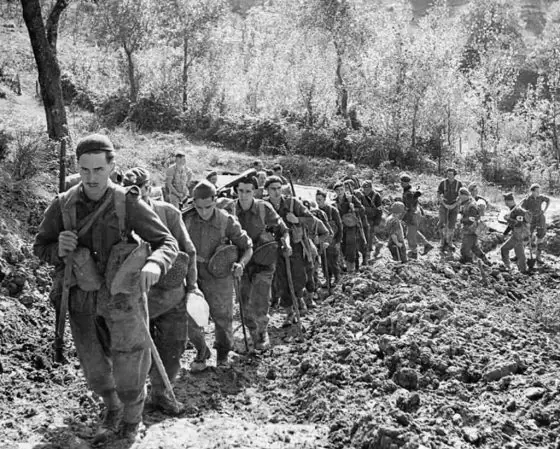
We marched inland in extended formation to reduce our vulnerability. The countryside seemed eerily empty—the civilian population had vanished.
Moving Forward
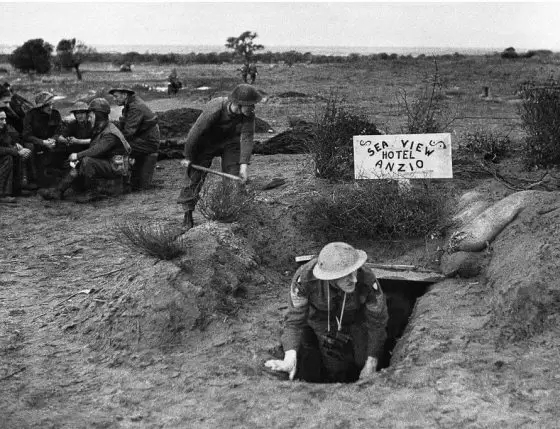
We dug in near Padiglione Woods. My first attempt at a slit trench proved slightly too short for comfort.
In the following days, we advanced cautiously. I later learned that we had surprised the Germans and might have achieved more with greater boldness.
On 28 January, I moved forward to take over medical duties in the salient. Travel took place mostly at night to avoid enemy observation.
On my way, I saw my first dead soldier in Italy—a grim reminder of what lay ahead.
Life at the RAP
At the aid post, I treated a steady flow of casualties—though illness still outweighed battle wounds. I treated everything from tonsillitis to severe injuries from tank strikes.
In one case, we saved a tank driver with a shattered jaw simply by turning him onto his side to clear his airway. In another, we treated a soldier with broken legs using splints applied under extremely difficult conditions.
Nearby, a Bren gun carrier caught fire, sending burning fuel into a cave where its crew sheltered. We rushed in and dragged the injured men to safety.
Under Attack
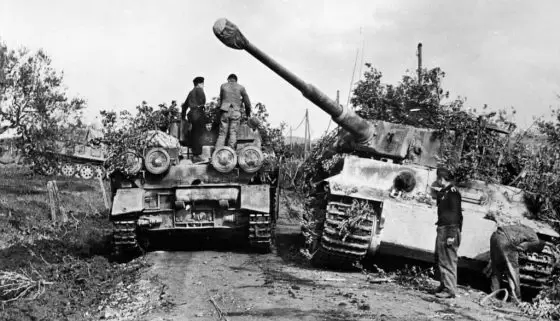
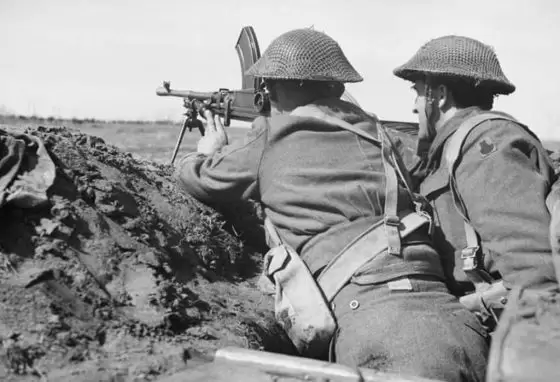
On 4 March, heavy fighting erupted around us. An anti-tank gun positioned near the RAP engaged a German tank at close range and destroyed it.
Casualties quickly overwhelmed our facilities. I opened a second aid post across the road, exposing myself to enemy fire each time I crossed. Wearing Red Cross armbands on both arms eventually reduced the risk.
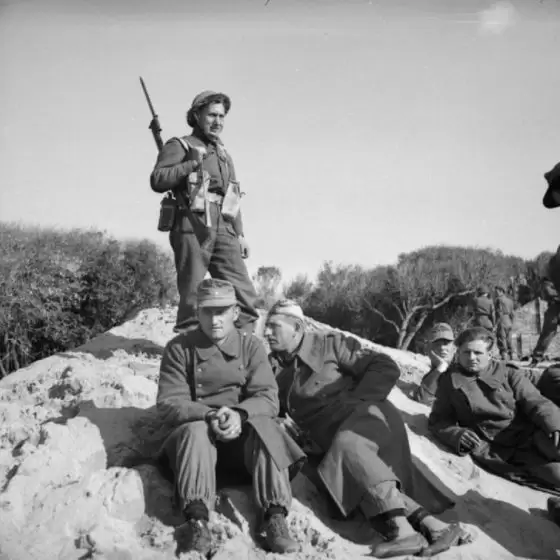
At one point, a German officer briefly declared us prisoners, but he withdrew after I explained that I was treating both German and British wounded.
Evacuation Under Fire
We urgently needed a way to evacuate the wounded. Using a makeshift Red Cross flag, we sent a carrier through enemy lines. To my relief, it returned safely with an ambulance, establishing a vital evacuation route.
Retreat
That evening, orders came to withdraw. We had minutes to prepare. We carried only what we could and left the rest behind.
While loading the final ambulance, I faced a difficult decision: five casualties but space for only four. I initially left a German behind, but when one British soldier died, we replaced him with the German.
We withdrew under shellfire and reached our new positions.
Continued Fighting
The fighting intensified over the following weeks. Medical units operated under constant fire, performing life-saving procedures in dangerous conditions.
At one point, I drove into no-man’s-land at night to recover abandoned medical supplies—a nerve-wracking but successful mission.
Holding the Line
German counterattacks in February nearly broke the Allied position. Fighting continued relentlessly, with heavy casualties on both sides. Even support personnel joined the front line when needed.
Despite the pressure, the line held.
Daily Life
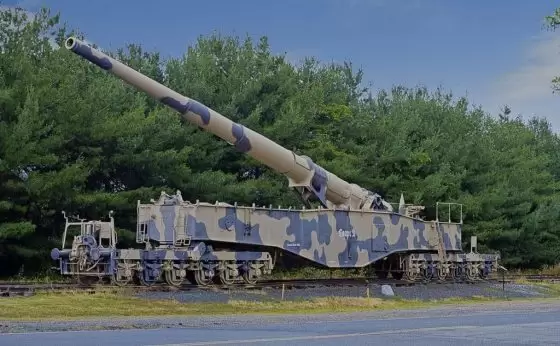
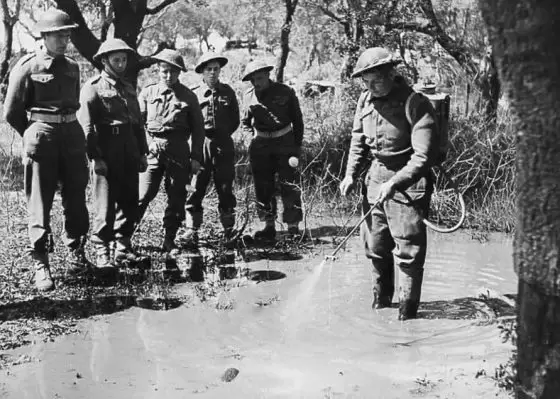
As conditions stabilised, we adapted to life in the beachhead. We improved our shelters, treated malaria risks, and endured constant artillery fire—sometimes from a massive railway gun nicknamed “Anzio Annie.”
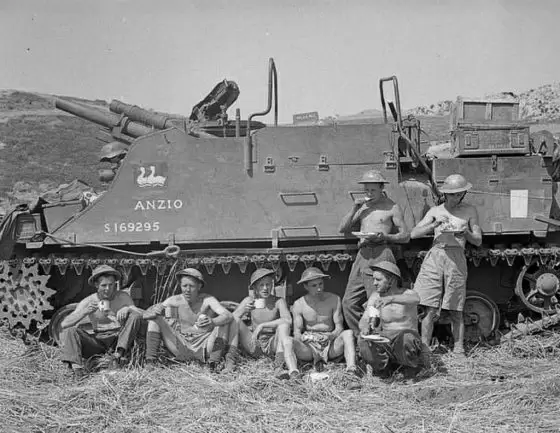
When not working, we played cards, watched aerial dogfights, and tried to maintain morale.
Wounded in Action
During a night mission to retrieve a wounded soldier, I joined a stretcher party. A mortar shell exploded nearby, striking me and killing another bearer.
I sustained a shoulder injury and was evacuated through multiple medical stations. By the time I reached a casualty clearing station, repeated doses of morphine had left me very ill.
An American surgeon later operated on me. Although my wound initially appeared serious, it was eventually classified as minor.
Departure
I left Anzio aboard a hospital ship. The presence of American nurses lifted our spirits immediately.
Later, while recovering in Naples, I learned of the D-Day landings. After two months, I returned to active duty and continued serving in Italy.
Reflection
The Anzio campaign proved costly and, in many ways, unsuccessful. However, those who served there never forgot the experience.
As Churchill later remarked, what was intended as a bold strike became something far less effective—yet for those involved, it remained a defining chapter of the war.