James Thomson and his Native Family
James Thomson and his Native Family
Important Notice
Since publishing this article, I contacted the family of Caroline Thompson. DNA testing now suggests that James Thomson was not her father. Researchers are still working to confirm the facts. At the family’s request, I have left this article online until they complete testing and issue a formal correction.
Introduction
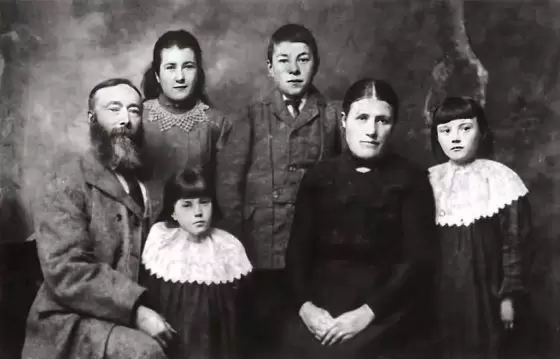
This article continues the story of James Thomson and Isabella MacIver. You should read the first part, The First Lewis Woman in Athabasca, before continuing.
I would also like to thank Patricia McCormack, Professor Emerita at the University of Alberta. She uncovered much of this story and presented her research in 2009. She kindly allowed me to use her work here.
James Thomson and the Hudson’s Bay Company
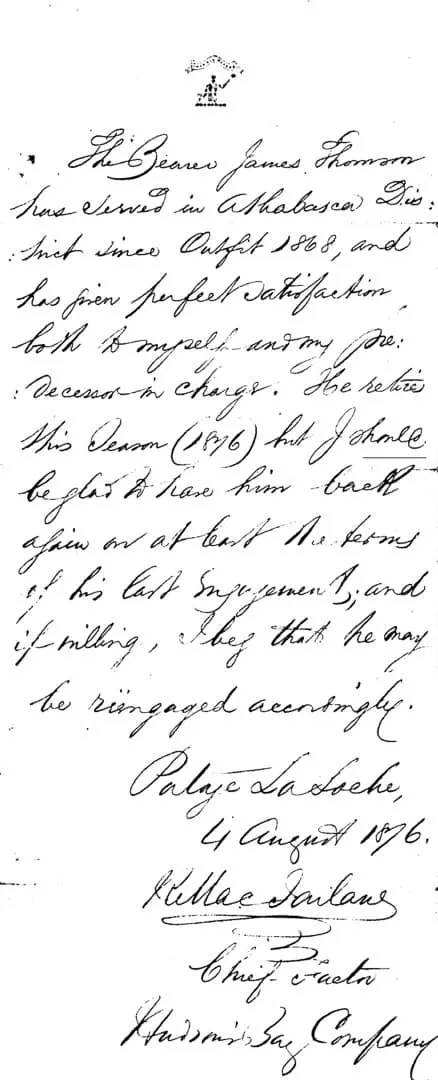
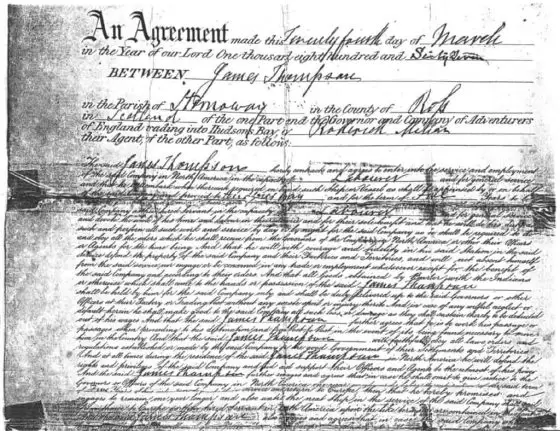
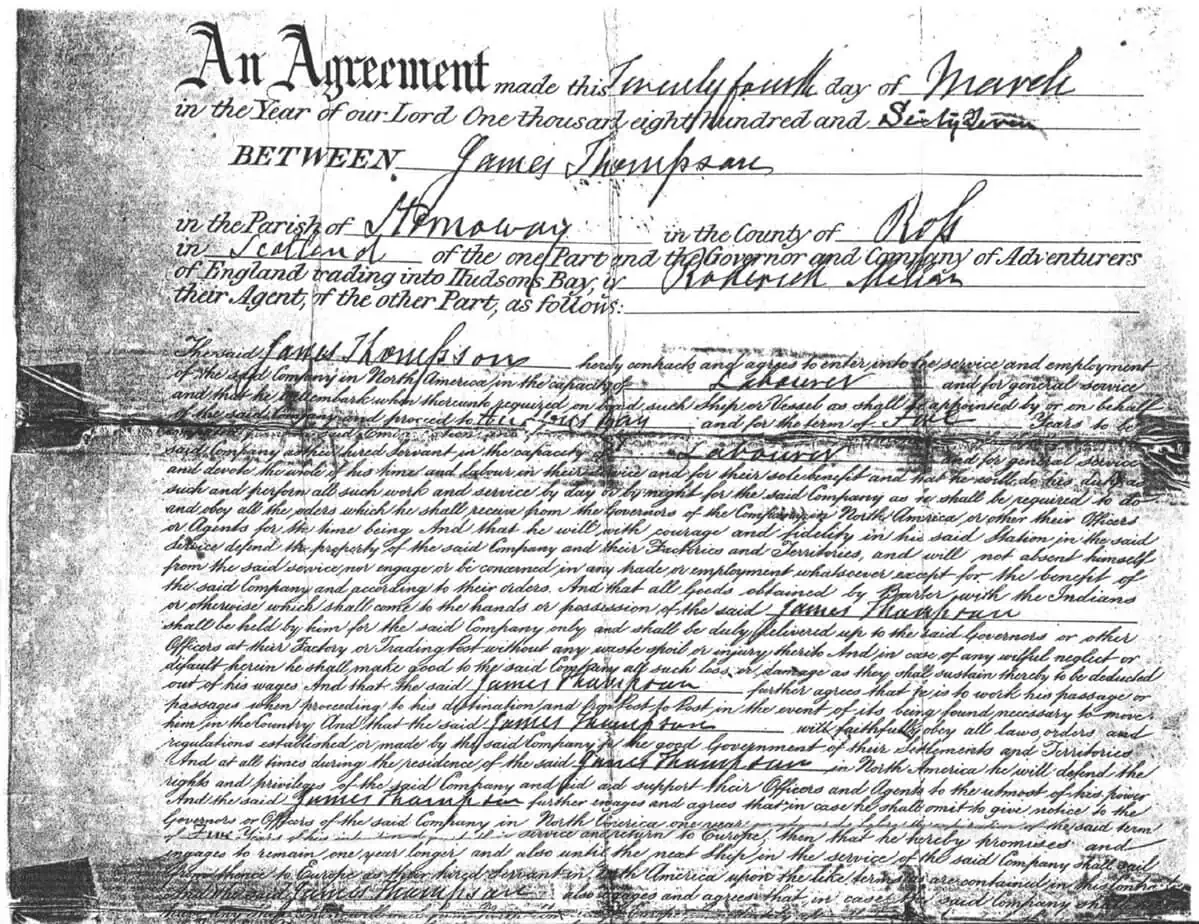
James Thomson, originally from the Isle of Lewis, began working for the Hudson’s Bay Company in 1868. By 1876, his contract ended, but his employer praised his service and recommended his re-employment. The company rehired him, and he continued working until 1885.
Early Life and Marriage
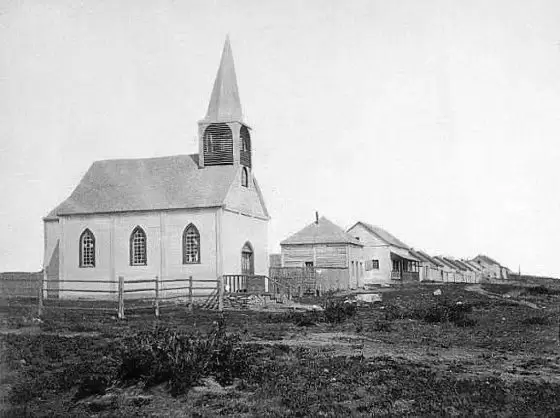
James was born around 1844 in Tong, Isle of Lewis. In 1868, he travelled to Canada and worked his way up from labourer to fisherman at Fort Chipewyan.
In 1876, he returned to Lewis. The following year, he married Isabella MacIver, who was much younger than him. By then, James had earned money and likely seemed adventurous after years in the fur trade.
In 1878, he returned to Canada, likely expecting Isabella to remain in Scotland, as many wives did.
Relationship with Louise Encore
Around 1879–1880, James likely had a relationship with a Chipewyan woman named Louise Encore. She later gave birth to a daughter, Caroline Thompson, who believed James was her father.
It remains unclear whether their relationship was casual or followed local marriage customs. Caroline later stated that James never acknowledged or supported her.
Life at Fort Chipewyan
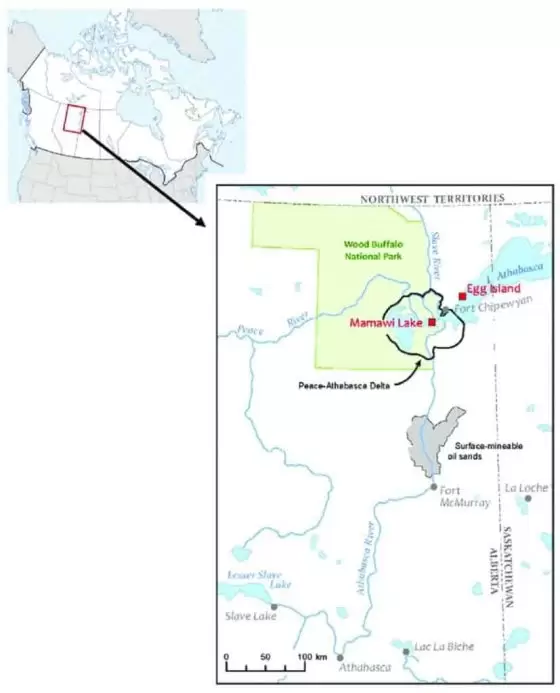
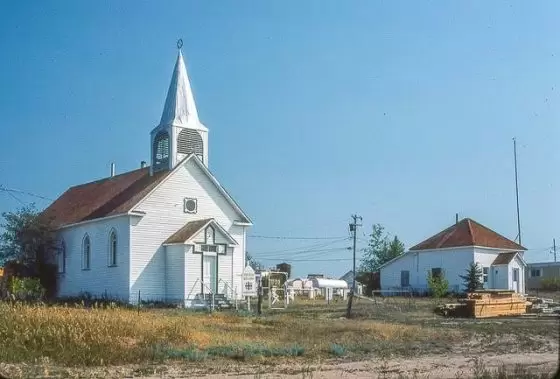
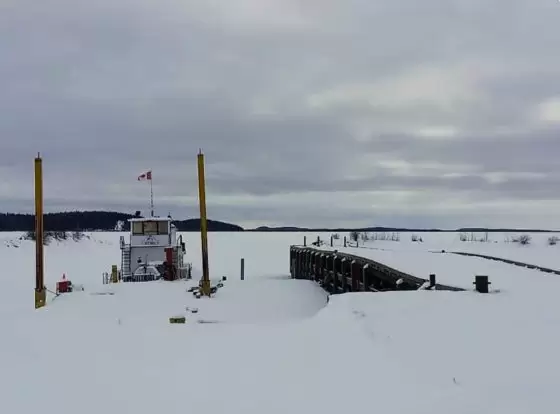
In 1881, Isabella travelled to join James in Fort Chipewyan. Soon after, James established a fishery at Lake Mamawi. Isabella worked alongside him, preparing “dry fish,” a traditional local food.
They later moved to Goose Island for seasonal fishing work. During this time, Isabella likely learned multiple languages spoken in the region.
The couple had three children in quick succession:
- Marion (1882)
- James Alexander (1883)
- Catherine (1884)
They lived in Fort Chipewyan until 1885 before returning to Scotland.
Return to Lewis
Back in Lewis, James became a merchant and trader. Isabella helped run the business, producing goods like butter, cheese, and jam.
James later bought fishing boats and expanded his work. The couple raised ten children and celebrated their 50th wedding anniversary in 1927. James died in 1929, and Isabella died in 1949.
Caroline Thompson’s Story
Caroline Thompson grew up believing James was her father. In her 1899 scrip application, she described herself as his illegitimate daughter and stated that he had rejected her.
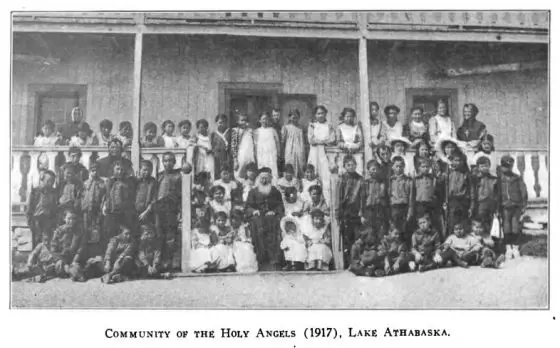
After her mother died, Caroline moved to a convent in Fort Chipewyan, where the Grey Nuns raised her. She learned French, became literate, and grew up in a Catholic environment.
At age 17, she left the convent and worked as a servant for local traders. Despite her difficult circumstances—and a physical disability noted in records—she supported herself through domestic work.
Later Life
Caroline applied for land scrip in 1899. Around that time, she had a daughter, Rosa Alberta Thompson.
She later married John Arnott, but he died in 1902 after freezing in a snowstorm. Caroline remarried twice and had several more children. Her daughter Rosa also grew up in a convent and later had a family.
Today, Caroline and her descendants form part of multiple Cree family lines.
Reflection
This story reveals the complex relationships formed during the fur trade era. It highlights the lives of Indigenous women, European settlers, and mixed-heritage families—many of whose stories remained hidden or misunderstood.
James and Isabella built a life together despite challenges, while Caroline’s story reflects resilience in the face of rejection and hardship.
Conclusion
James Thomson’s life spanned two continents and multiple worlds. His story connects families across Scotland and Canada, linking histories that continue to unfold today.
Update – December 2023
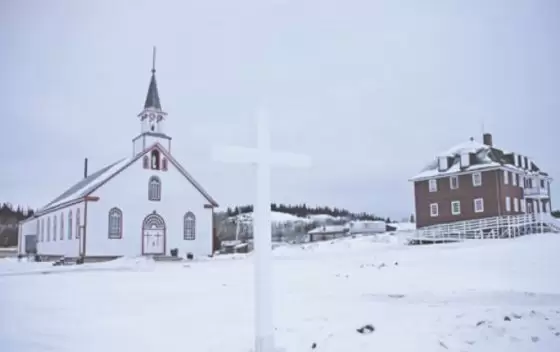
This page has been updated with some very helpful corrections and additional information and photographs provided by Brault Kelpin, who lived in Fort Chipewyan in his youth. I am very grateful to him for his contribution. He chanced upon this website while searching for information about James and Isabella. I am grateful to Brault for his help. He has written a fascinating blog about his early years in Fort Chipewyan and other fur trading settlements which I thoroughly recommend.
A detailed study of the Chipewyan Indian Nation can be found in Patricia McCormack’s Research Report ‘An Ethnohistory of the Athabasca Chipewyan First Nation’.