
The Yeates Family of Levens
The Yeates Family of Levens
The Yeates Family of Levens
The history of the Yeates family in Levens is mainly known through property records and a summary of George Henry Brettargh Yeates’ will. These sources show how the family gained their land, passed it down through generations, and maintained their family identity.
How the Family Acquired Park Head
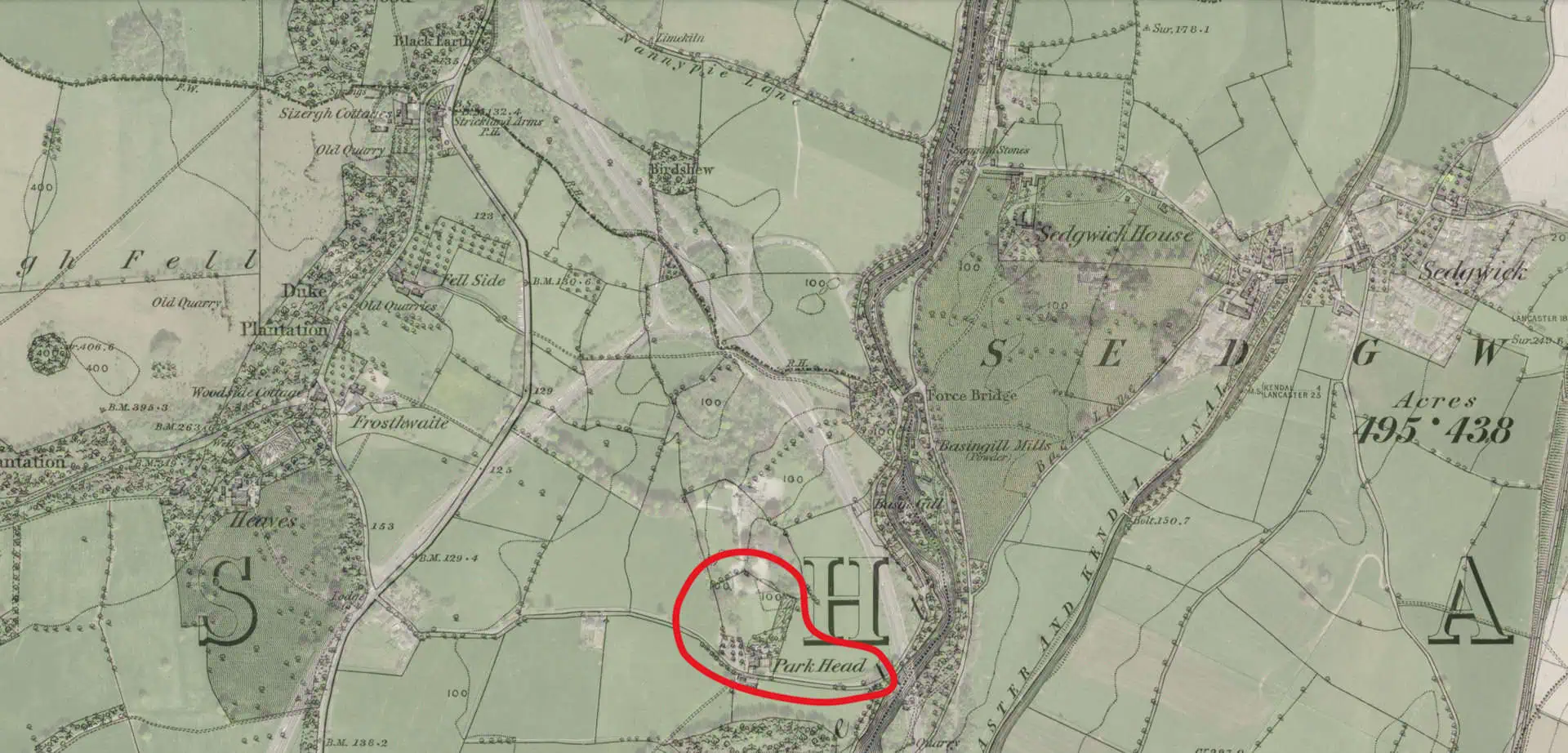
The story begins on 13 May 1788, when Anthony Yeates of Kendal bought the Park Head estate for £950. The purchase included a house, farmland, and land known as Mill Flatts.
Before this, the land had belonged to Christopher Burn and was part of the local manor system. This meant the owner had to pay rent and follow certain traditional obligations to the Lord of the Manor.


Anthony Yeates (1744-1837)
Anthony Yeates came from a long-established local family in Old Hutton. Although he owned Park Head, there is no clear evidence that he lived there himself—he likely rented it out to tenants.
Under the manor system, tenants had to be formally accepted and pay fees. Anthony also had to pay customary fines whenever the Lord or Lady of the Manor died.
His Will and Inheritance Plan
Anthony never married, so in his will (written in 1835), he carefully planned how his estate should be passed on:
- The property would go to male heirs in order. They had to take the Yeates surname.
Anthony Yeates died in 1837, and his plan ensured the family name would continue.

The Richards Family Becomes Yeates
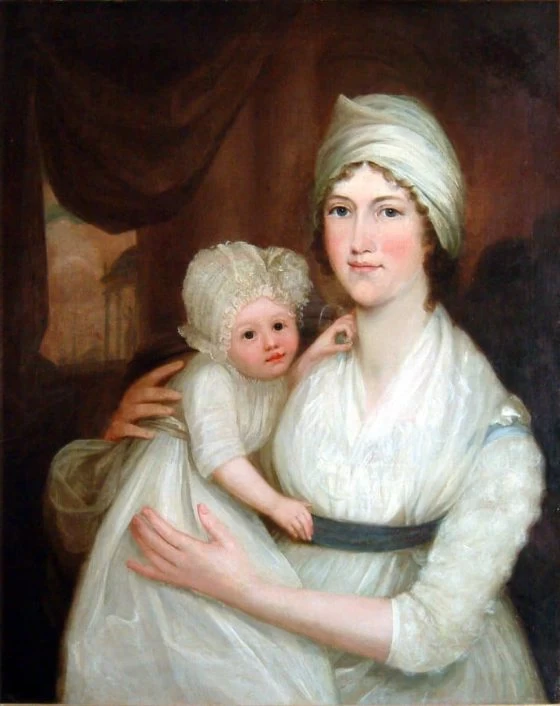
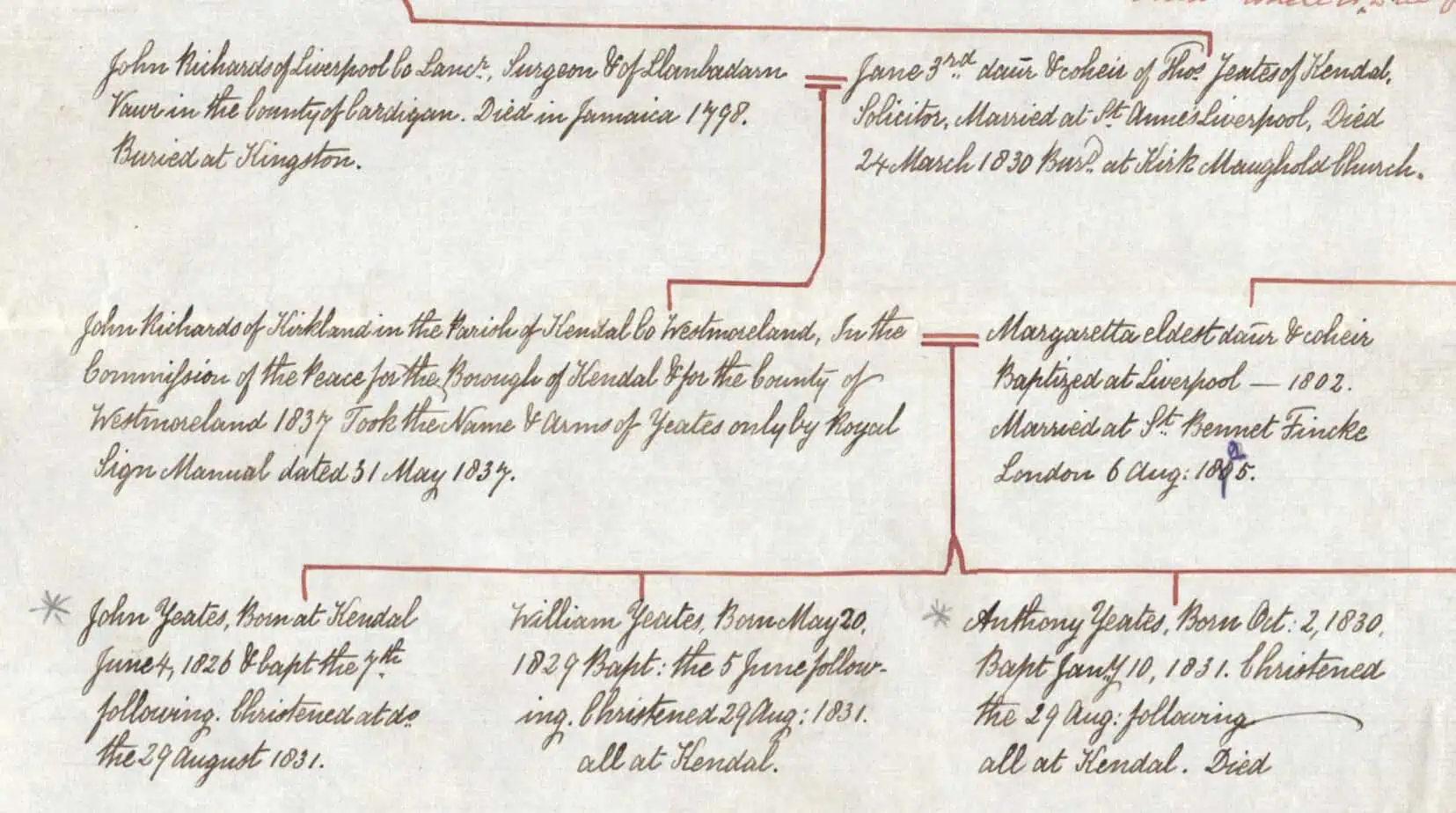
Anthony’s estate passed to his nephew, John Richards. In 1837, John and his children were officially required to change their surname to Yeates.
Thus began the start of a new generation of the Yeates family at Park Head.
John Yeates (1796-1847)
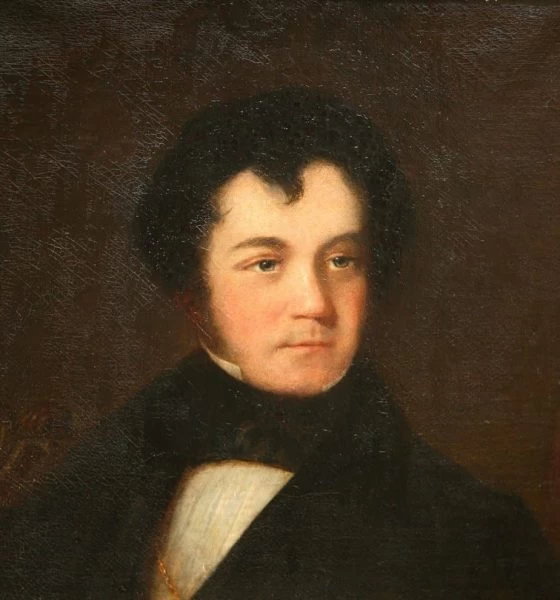
John Yeates (formerly Richards) lived at Park Head and became an important local figure. He was the first Mayor of Kendal after local government reforms.
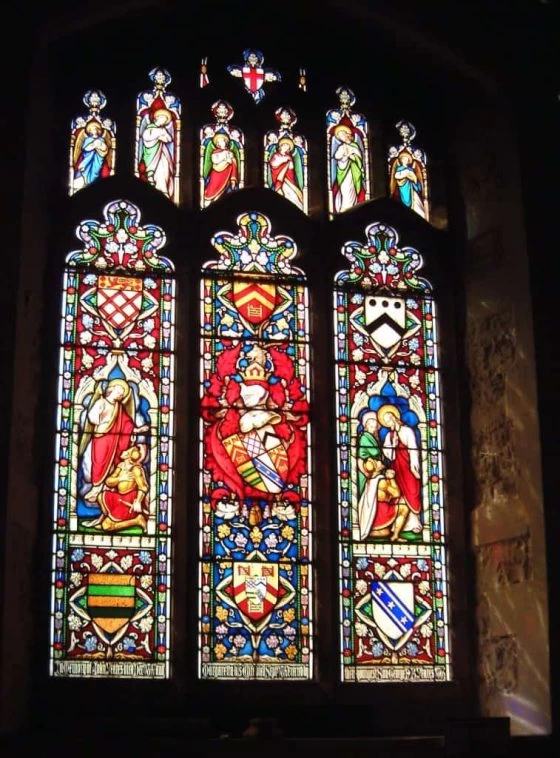
John Yeates died in 1847, shortly after his wife Margaretta. Both are remembered in local churches at Heversham and Kendal.
Changes in Ownership (Mid 1800s)
After John’s death, several of his sons inherited the estate in turn:
- His eldest son, John Yeates Yeates, inherited first but died in 1860 at age 34. Anthony, their infant son had already died earlier that year
- Then John’s brother William, who died unmarried in 1863, inherited the estate.
- Finally, George Henry Brettargh Yeates, his younger brother, inherited it.
George Henry Brettargh Yeates (1841-1875)
Harry played a major role in shaping the estate’s later history.


Ending Old Restrictions
In 1863, George “Harry” Yeates removed the legal restrictions (called an “entail”) that had controlled how the property could be inherited. This gave him full control over the estate.
Building Brettargh Holt
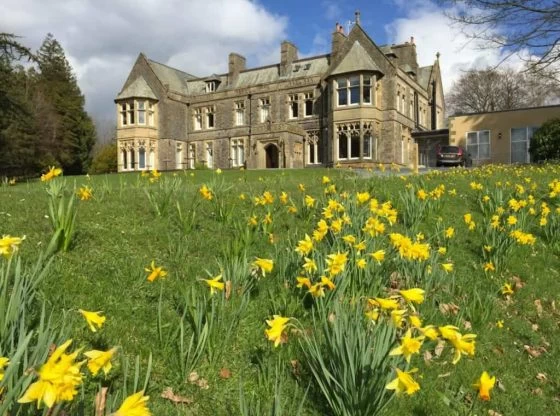
Around 1872–73, Harry built a large new house called Brettargh Holt on part of the estate. Job Bintley, a local architect, designed the house and included materials from the older family home.
Marriage and Early Death
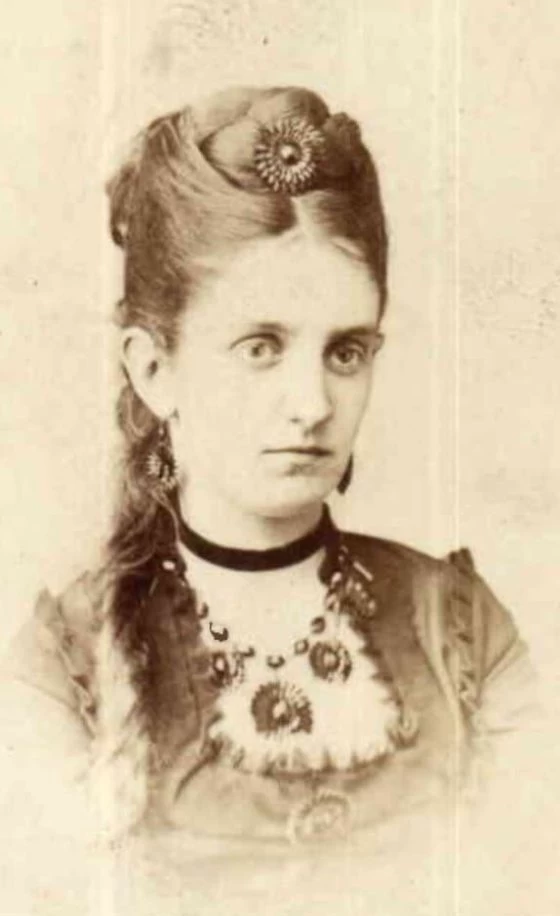
Harry Yeates married Caroline “Beatrice” Boulger and made financial plans to provide for her. However, Harry died young in 1875 at just 34 years old, leaving behind a newborn son, Cyril.
Sale of the Estate
After George’s death:
- His widow took out a mortgage to manage debts and secure their son’s future
- The property was later offered for rent
- In 1880, Brettargh Holt was sold
Although the estate was sold, the family still kept some links to the area.
Cyril Ernest Brettargh Yeates (1875-1950)
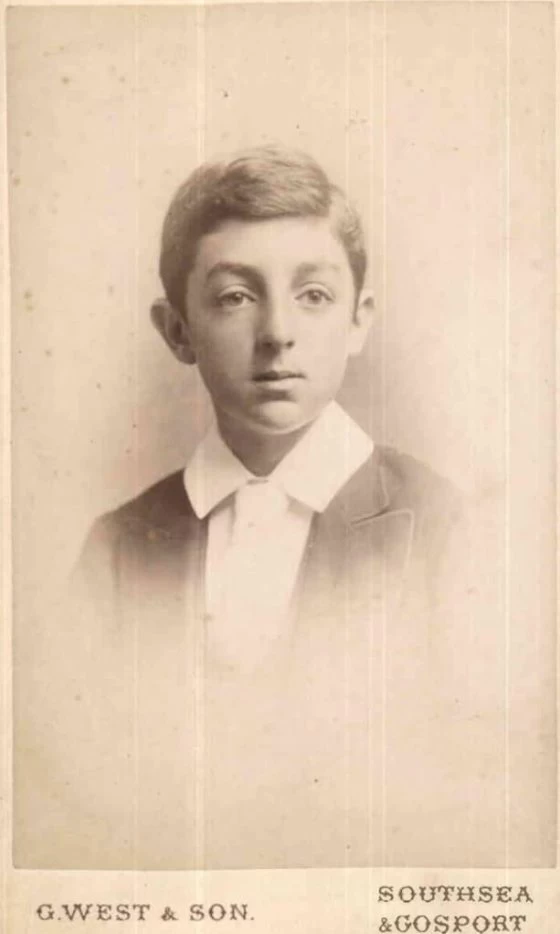
Harry’s son, Cyril, was born the same year his father died. He later lived in London but kept some property interests in Levens.
When he died in 1950, his estate was valued at over £15,000.
Summary
The Yeates family story shows:
- How land was passed down through strict inheritance rules
- Strong local connections to Kendal and Levens
- Efforts to preserve the family name across generations
- A gradual shift from traditional landownership to more modern arrangements
From Anthony Yeates’ purchase in 1788 to the sale of Brettargh Holt in 1880, the family’s history reflects both local heritage and wider changes in English society.
Acknowledgement
This article is based on an article written by Stephen Read of Levens shortly before his death. I am most grateful for his sharing his research.