The Hunt for Jimmy
The Hunt for Jimmy
The Hunt for Jimmy
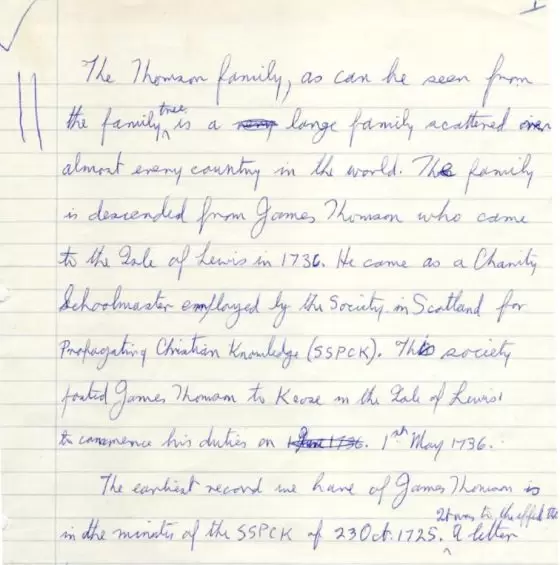
“The Hunt for Jimmy” was the affectionate name our family gave to my father’s determined search for our most distant known ancestor, James Thomson.
After retiring from medical practice in 1974, my father divided his time between gardening and researching our family history. On rainy days, he could often be found in the Record Office in Edinburgh, carefully tracing the Thomson family line.
Before he died in 1991, my father prepared a paper about the Thomson Family History. My sister, Jennifer Tarry, later completed it using his notes. This article is based on this paper..
My father’s research notes are available for download.
Who was James Thomson
James Thomson was the man from whom most of the Thomsons on Lewis are descended. He was a schoolmaster sent there in 1736 by the Society in Scotland for the Propagation of Christian Knowledge (SSPCK). Before arriving in Lewis, he had worked in Lochaber, teaching in Glen Roy and Glen Spean.

Early years
The earliest possible record of James Thomson places him teaching in Laggan, near Glen Spean, in 1721. However, this is uncertain. The SSPCK minutes suggest the teacher there was a James Johnson, not James Thomson—so this may be a simple historical mix-up.
What we do know is that James Thomson was working in Lochaber by June 1725, and likely before that.
If he began teaching between the ages of 21 and 31, this suggests he was probably born sometime between 1694 and 1704.
The Glen Roy School
In 1725, the local minister reported that James Thomson was running a private school in Glen Roy but was struggling to collect fees. The school was at risk of closing.
Because it served an important need, the SSPCK took over. The SSPCK interviewed James Thomson. As a result, the SSPCK officially appointed James Thomson as a Charity Schoolmaster, starting on 1 May 1726.
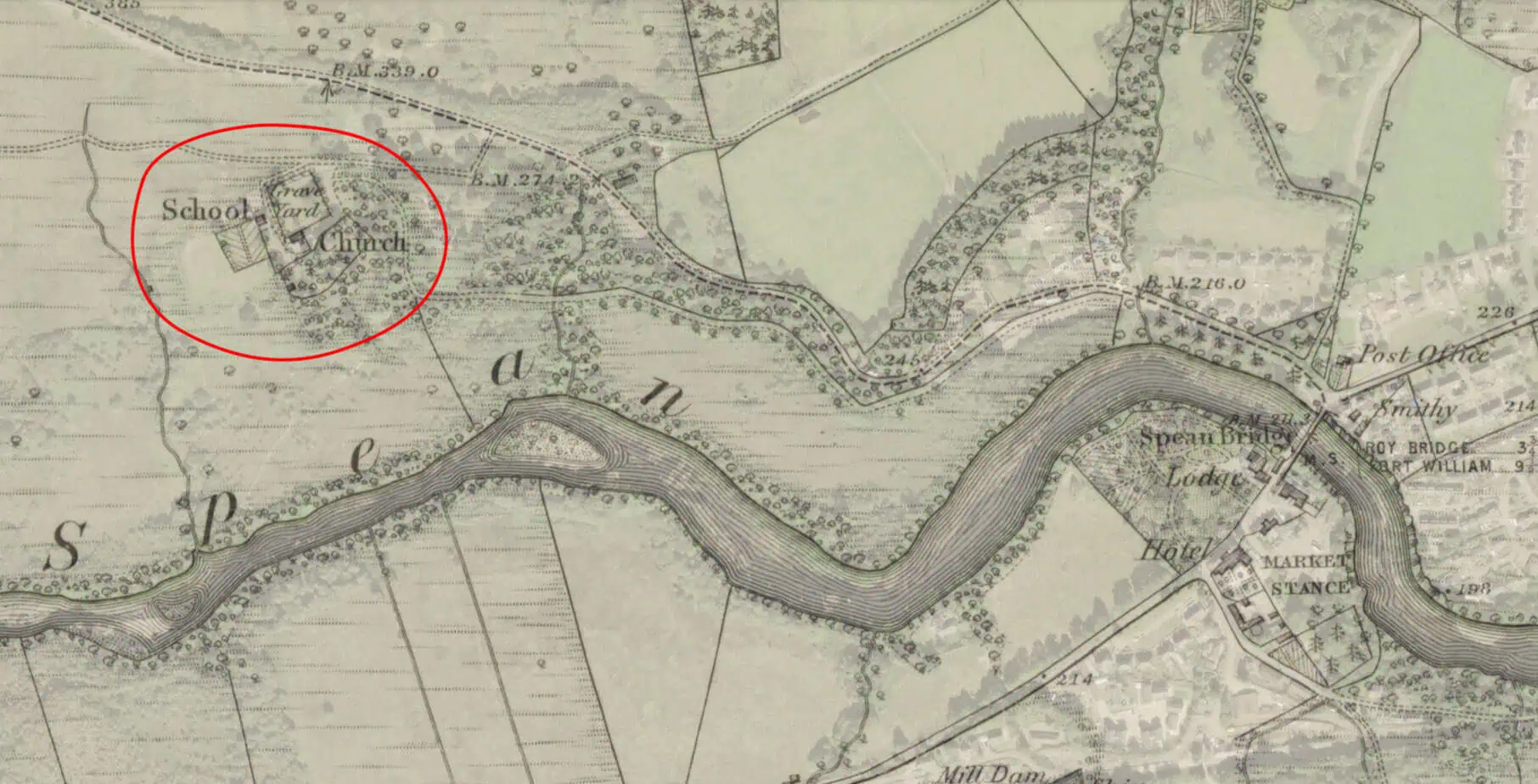
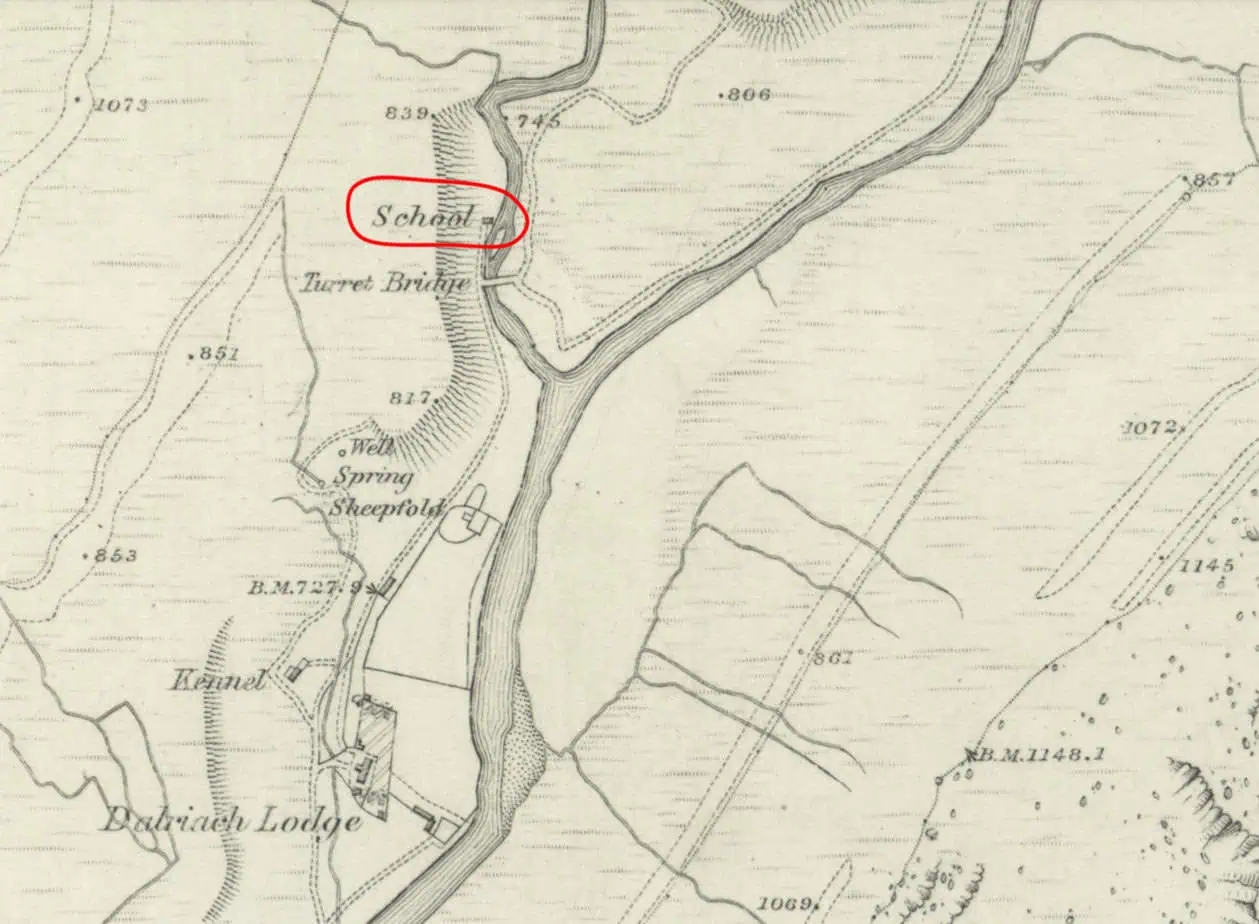
The school stood near the meeting point of the River Turret and River Roy. Although the building no longer exists, its location appears on early maps.
The SSPCK Schools
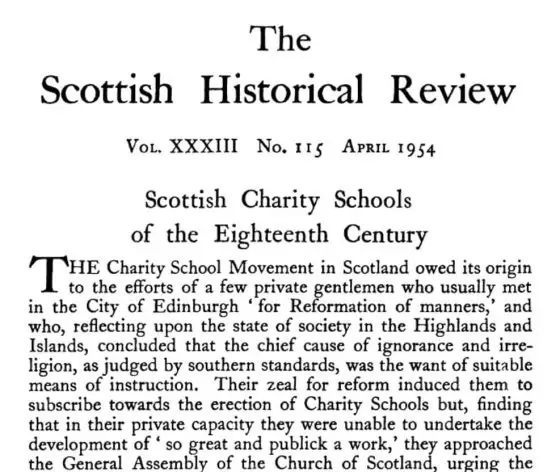
The SSPCK, founded in 1709, aimed to provide basic education in the Scottish Highlands. Their goal was simple: teach reading, writing, and arithmetic.
Each parish that wanted a school had to provide:
- A school building
- A house for the teacher
- A small piece of land for grazing a cow
Schoolmasters were paid twice a year and regularly inspected.
Strict Rules
The SSPCK enforced two controversial rules:
1. No Gaelic allowed
Teachers were forbidden from using Gaelic, even though most children spoke only Gaelic. Many schoolmasters protested, arguing that using Gaelic would help children learn English faster. The rule was finally abolished in 1759.
2. No Catholic pupils (unless converted)
Catholic children could only attend if their parents converted to Protestantism.
Salary and Support
When James Thomson began in 1726, he earned £6 per year, split between the SSPCK and a fund called the Royal Bounty.
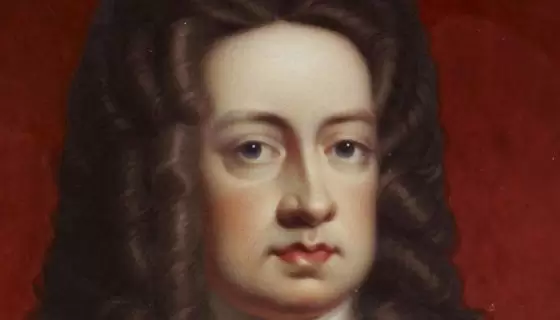
King George I set up the Royal Bounty to support education in the Highlands.
By 1729, James Thomson also worked as a catechist (religious teacher), doubling his income to £12 per year.
Dismissal and Reinstatement
In 1734, James Thomson was suddenly dismissed due to a “bad report.” No details survive explaining why.
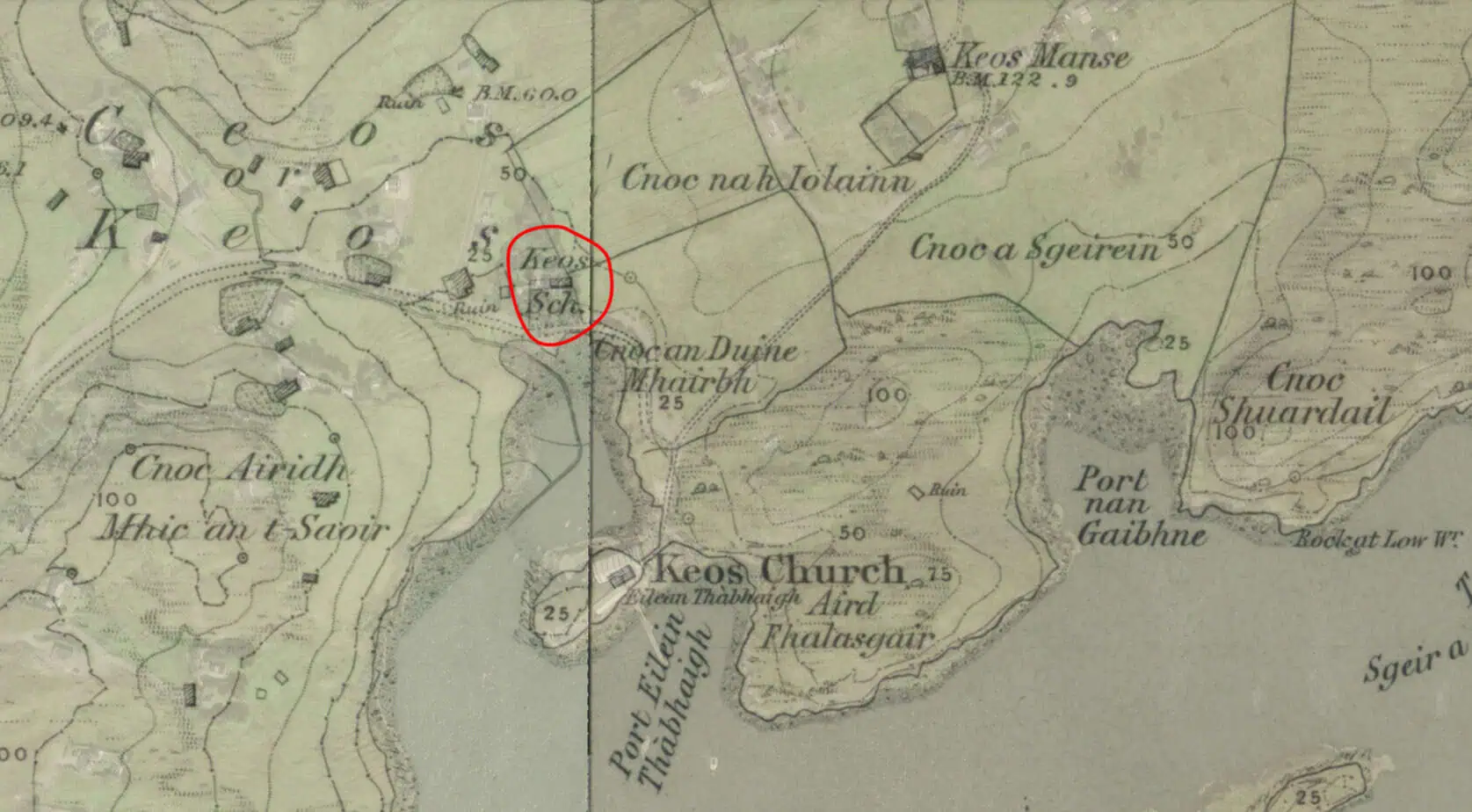
After appeals from local clergy—and a letter from James Thomson himself—he was reinstated. However, he was reassigned to Keose in the Isle of Lewis.
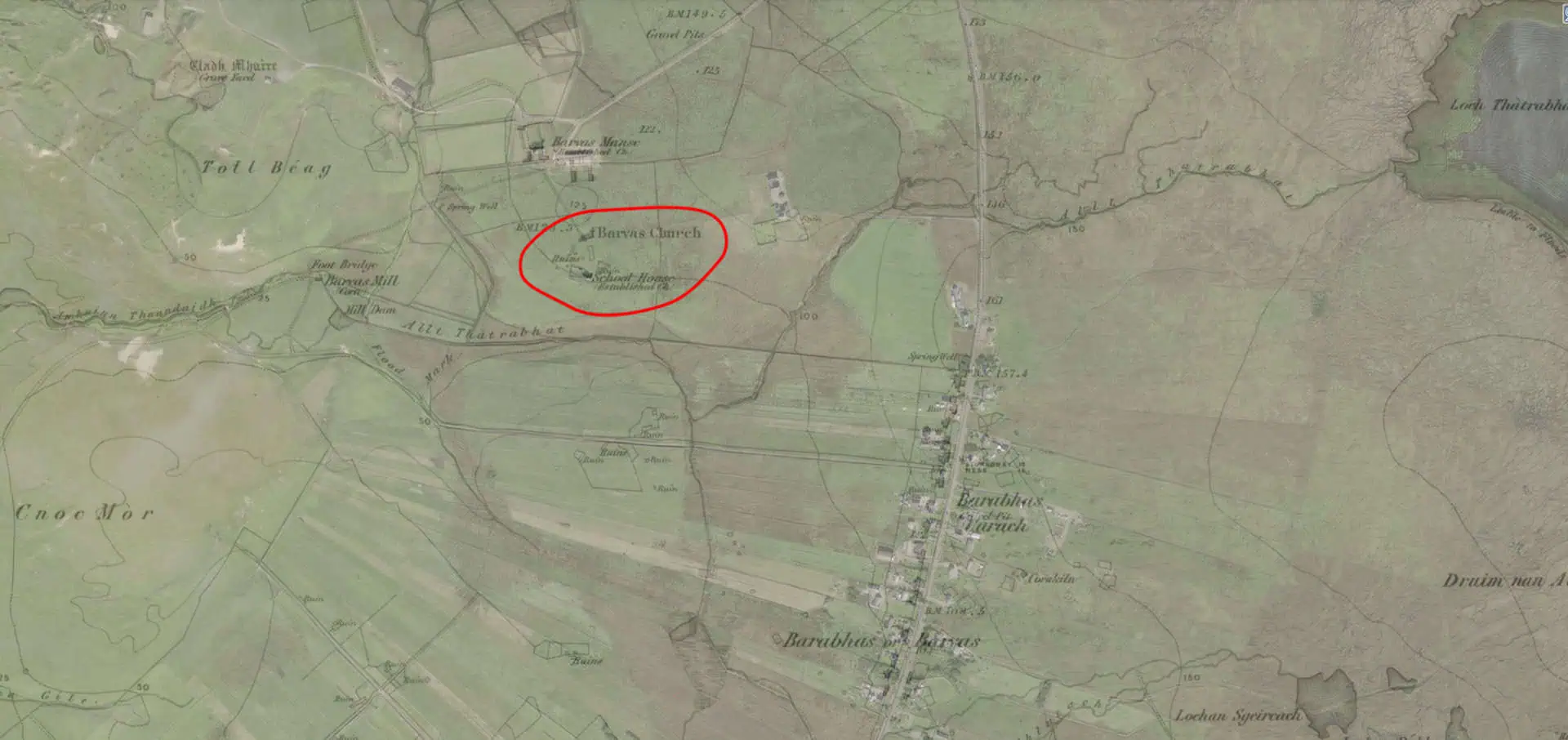
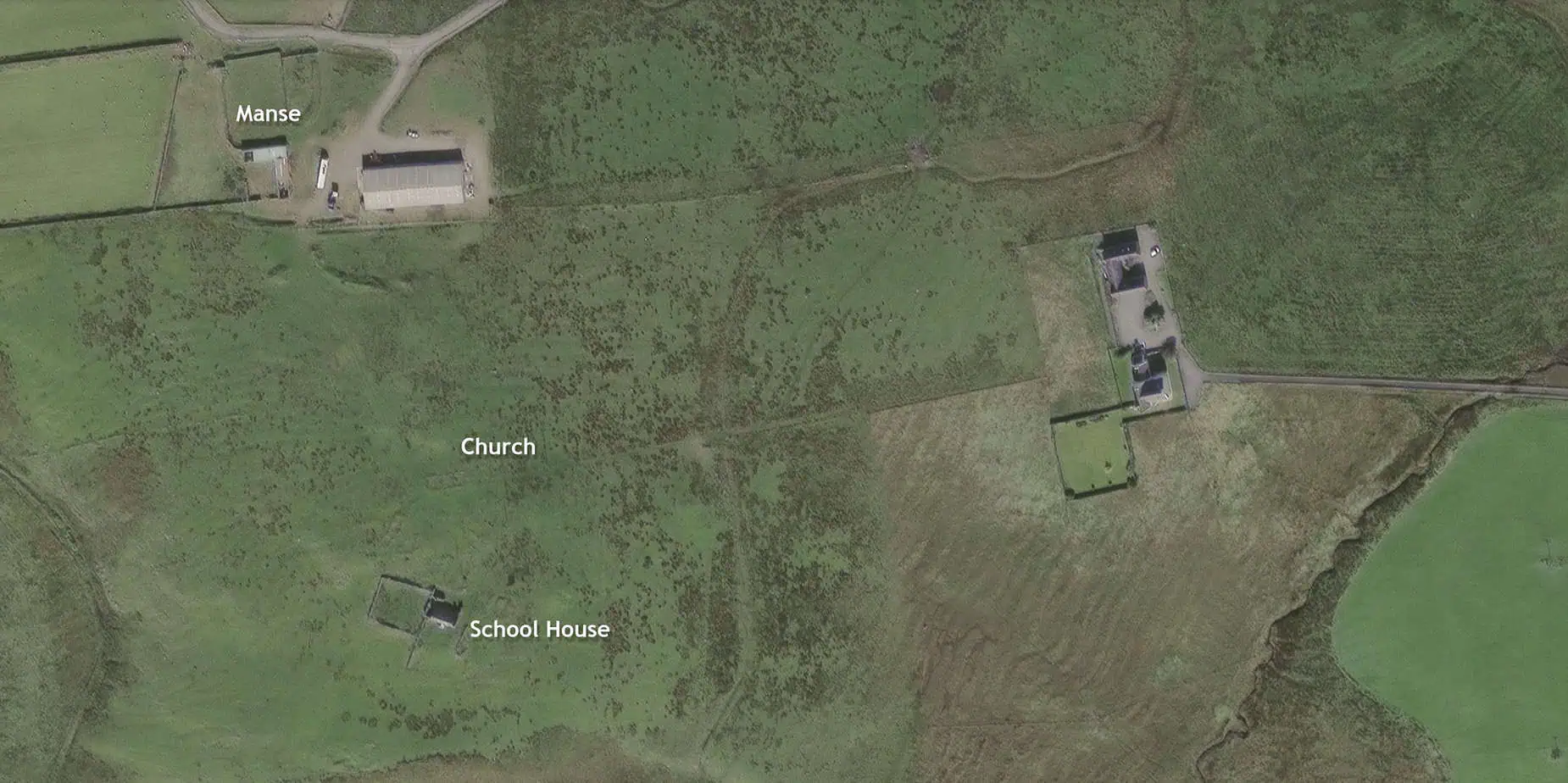
He later moved to Barvas in 1742, where his salary increased slightly.

Life in Lewis
Life in Lewis was difficult. Records from the time describe James Thomson, his wife, and four children struggling to survive on his small salary.
One local minister even wrote that it reflected badly on the Church to have its teacher living in near poverty.
Despite this, James Thomson continued working for many years.
Later Career
After eleven years in Barvas, James Thomson was moved again—this time to Swainbost, for unknown reasons.
In 1759, his role was reduced to catechist only. Then, in 1761, he and three others were dismissed entirely. Again, no explanation was recorded, although it looks like he had reached retirement age.
Where Did He Come From?
For generations, the Thomson family debated James Thomson’s origins.
Two main theories emerged:
- He came from Banffshire
- Or his family originated near Coupar Angus in Perthshire
One clue pointed to a place called Bamff in Perthshire, where a Thomson family lived in the late 1600s.
Unfortunately, many parish records that might have helped were destroyed when Kilmonivaig Church was lost in a storm. This left historians with very little evidence.
A Breakthrough
More recently, DNA testing has provided new clues.
The results suggest that James Thomson was born:
- 11 October 1694
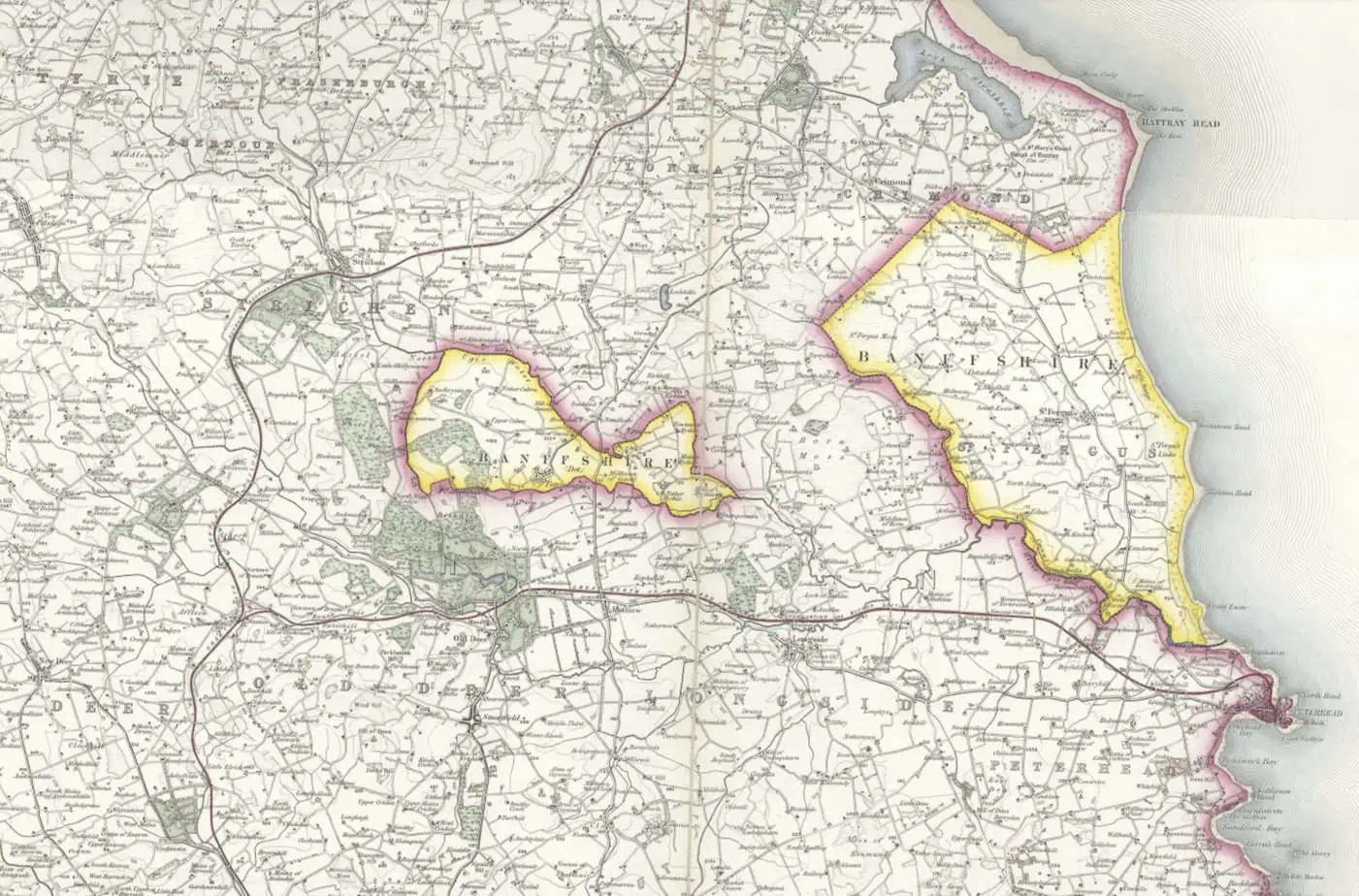
- In the parish of Longside, near Peterhead in Aberdeenshire
At the time, this area was part of a detached section of Banffshire—explaining the long-standing confusion.
Ongoing Research
Research into his life is continuing. However, DNA matches strongly support the Longside connection.
The story of James Thomson is still being pieced together—but we now know far more about him than ever before.

Acknowledgements
Thanks are due to Angus Smith of Keose, Isle of Lewis, for sharing valuable research.
For those interested in the wider history of SSPCK schools, a PhD thesis by Jamie Kelly of the University of Glasgow is also highly recommended.