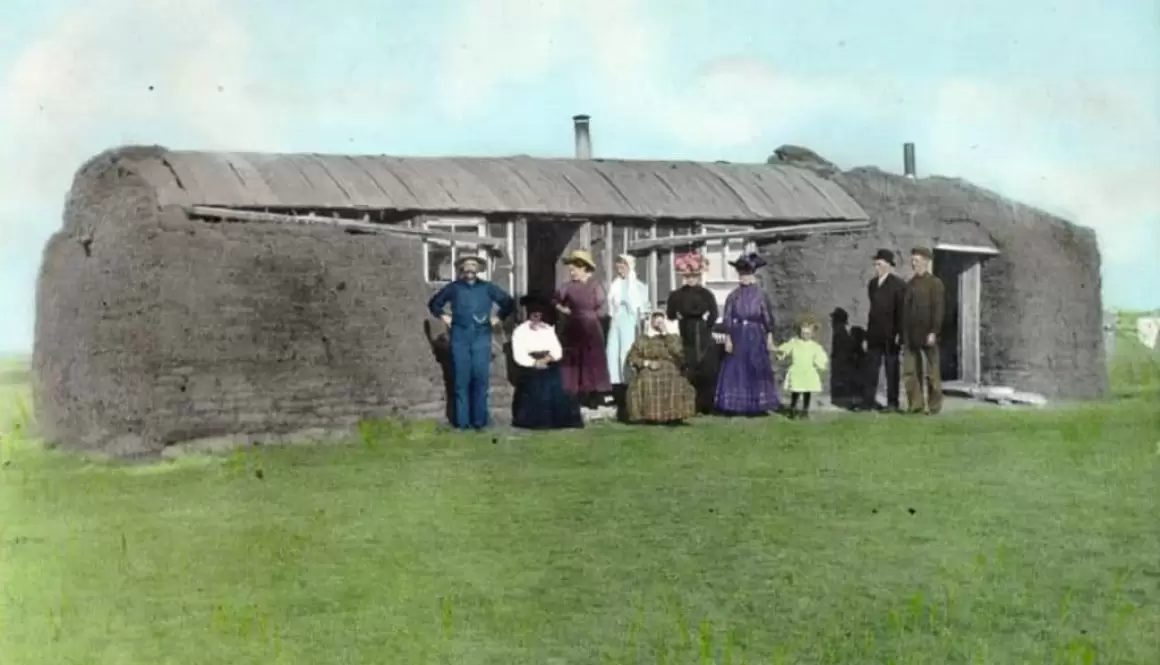
The Family of Marion Thomson
The Family of Marion Thomson
Marion Thomson’s Family
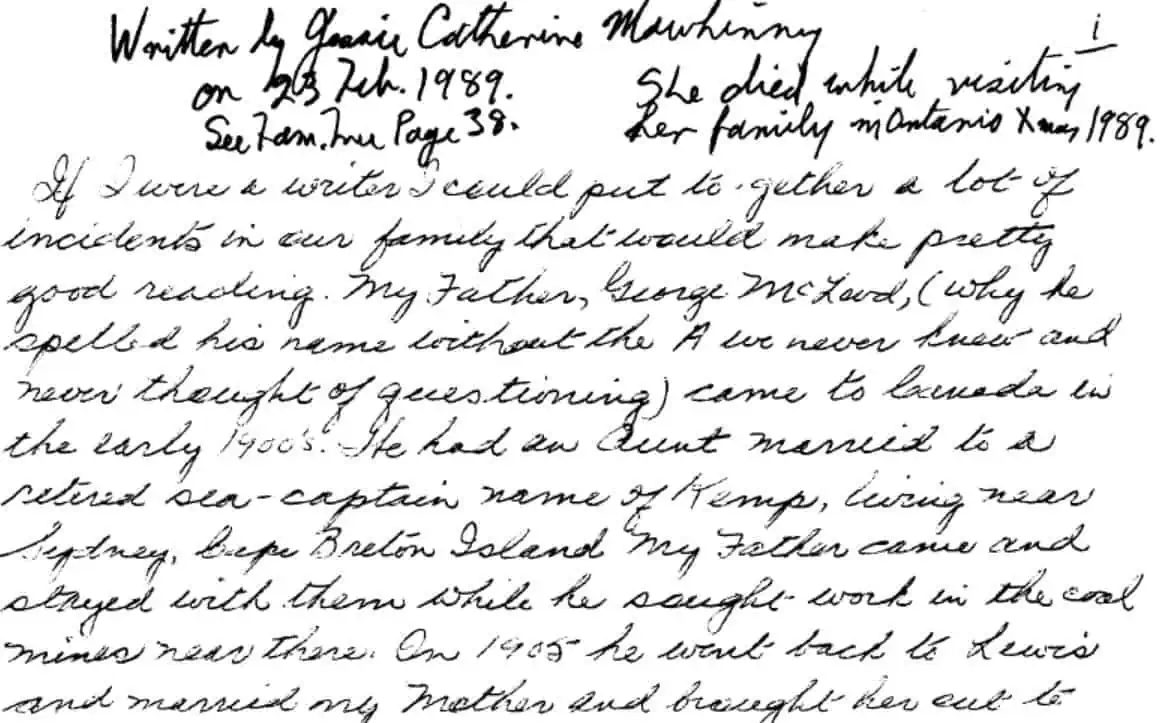
On 23rd February 1989, Jessie Catherine Mawhinney wrote to my father about her parents’ emigration from the Isle of Lewis, Scotland, to Canada in the early twentieth century.
Her mother, Marion Mary, was the eldest child of James and Isabella Thomson, and the granddaughter of Alexander Thomson and Christina MacInnes. Born in 1882, she was the first European child born in Canada’s Northern Territory. In 1889, she returned to the Isle of Lewis with her parents.
In 1905, she met George McLeod, who had come home from Nova Scotia. They married in a ceremony in the marketplace alongside five other couples, then returned to Nova Scotia, where George found work in the coal mines. What follows is Jessie’s account, written only a few months before her death in 1989.
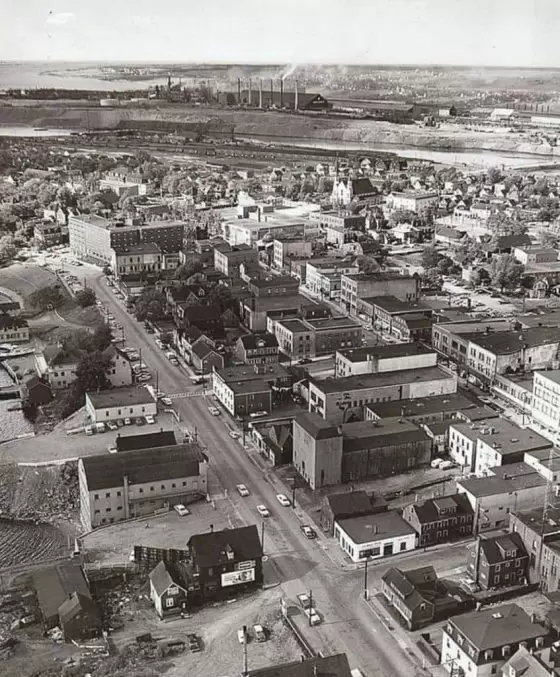
Nova Scotia Coal Mines
If I had been a writer, I could have shaped many of our family stories into something worth reading.
My father, George McLeod—why he spelled his name without the “a,” we never knew—came to Canada in the early 1900s. He had an aunt married to a retired sea captain named Kemp, who lived near Sydney on Cape Breton Island. My father stayed with them while he looked for work in the nearby coal mines.
In 1905, he returned to Lewis, married my mother, and brought her back to Aunt Kemp’s home until he could build a house. When he finally did, it was a small shack in the woods, which my mother claimed was two feet wider at one end than the other.
Their first three children were born there. Among their closest neighbours were a white woman and her husband, a Black miner. My mother said he sometimes helped himself to one of her hens on his way home from work.
Despite this, the two women became good friends. Mrs. Mickey taught my mother a great deal about housekeeping, sewing, and managing on my father’s wages. He earned $1.50 a day for long, exhausting hours underground.
Eventually, a group of miners went on strike, demanding better wages and working conditions. There were no unions in those days. They held out for a year but, driven by desperation, returned to work only to receive worse jobs and no increase in pay.
Saskatchewan
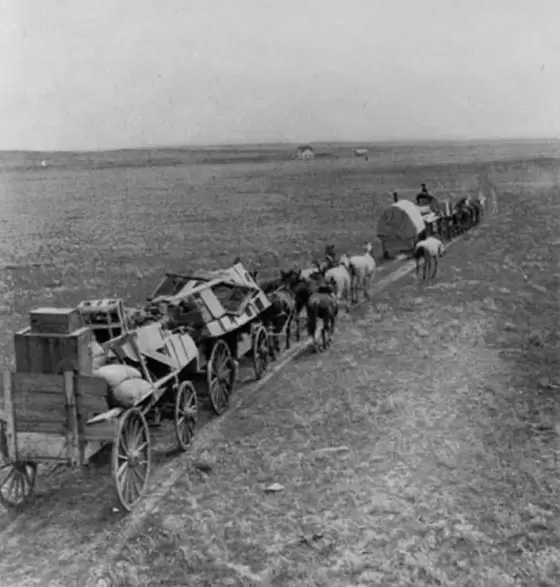
By 1911, the government had opened a large tract of land in Saskatchewan. For $5.00, settlers could claim 320 acres of prairie, provided they built a small house, cultivated a few acres each year, and lived on the land for at least three months annually over three years. After that, they could apply for another 350 acres under the same terms.
My parents saw this as a remarkable opportunity. Full of hope, they boarded an immigrant train westward. They stopped in Winnipeg, where friends from Lewis welcomed them warmly, easing their worries about the journey ahead.
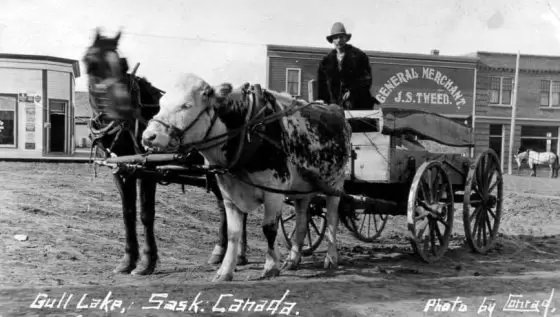
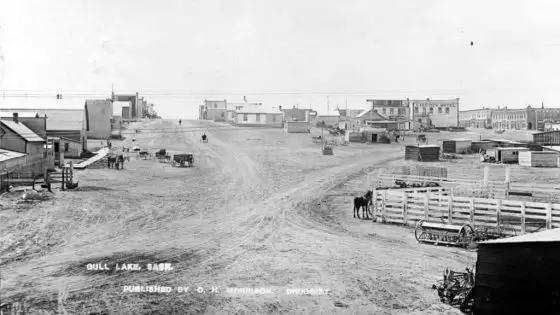
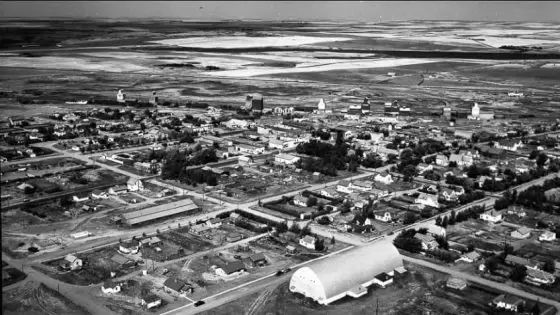
My father settled the family in a small house in Gull Lake, then a thriving town, and set out to establish their homestead. He took a job at a local livery stable—there were two in town, both busy in those pre-car days.
He borrowed horses and a wagon to haul supplies to the farm, ten miles away across rough, roadless land. Eventually, he built a small wooden shack, covering it with heavy black tar paper secured by metal discs and nails—a long and tedious task.
At last, the day came to move the family for their required three-month stay. They had little to take beyond the essentials. It was a windy day. My sister Annabelle was not yet a year old, and my mother was pregnant with Johnnie.
Homestead
We soon learned that the prairie wind rarely rested—and it was never gentle.
As they approached the final mile, they noticed pieces of black tar paper blowing across the land. My mother could not imagine where they had come from, but my father suspected the truth. When they reached their “home on the range,” they found the shack partially stripped of its covering.
They had brought a cow, which they tied beside the shack and tethered during the day to graze on the long prairie grass. My father had dug a well nearby, and the water was excellent. My mother kept milk cool by lowering a can into the well on a rope.
One day, the clasp holding the rope gave way, and the milk can fell in. After much discussion, my brother—only six years old—was lowered into the well to retrieve it.
My father returned the borrowed horses and wagon to town. After that, he worked there during the week and walked the ten miles to the homestead every Saturday night, carrying a week’s groceries, then walked back again on Sunday night.
My mother must have felt terribly isolated, though I do not remember her saying so.
Aunt Isabel
The following summer, my Aunt Isabel came to stay. She was just sixteen, and we adored her for her playful spirit.
Across from our land stood a large, fenced ranch with a gate nearby. We children would swing on it whenever no cowboys were around. The cowboys would sometimes stop by to check the fences and occasionally join us for tea and conversation.
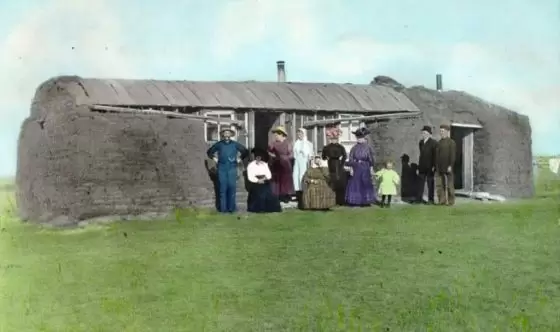
My father later built a small henhouse using a natural hollow in the hillside and sod from freshly ploughed land. We had eggs and milk, but there was never enough time—or tools—to plant a proper garden until we settled there year-round.
Land agents often brought prospective buyers to view the surrounding property. One stormy night, two men stopped at our shack seeking shelter from heavy rain. My mother hesitated but could not refuse them, especially with the nearest neighbour two miles away.
They tied their horses outside and slept on the floor. My mother kept an axe close by her bed, just in case. In time, those same men became good friends, and they often laughed about that first uneasy night.
Gull Lake Policeman
Six years later, the farm became our permanent home. In the meantime, my father worked various jobs and acquired a comfortable house in town. For the last two years there, he served as the town policeman.
One weekend, my mother visited a friend on a ranch twelve miles away, taking the two youngest children with her. My older brother and I stayed behind.
On Saturday evening, a strange man appeared at the door with groceries. He said my father had sent him and announced he would be staying for supper. He convinced us to play a trick on my father by pretending he had never arrived.
The man, it turned out, had been in jail for a minor offence. My father, feeling sorry for him, allowed him out for the evening.
When my father returned home and asked if the man had come, we kept up the ruse. He grew increasingly concerned until the man stepped out from behind the kitchen stove, laughing. We likely received a scolding, but my father was relieved.
Schooldays
My parents eventually sold the house in town to buy horses and essential farming equipment. They acquired four workhorses and a driving team we named Mutt and Jeff.
We experienced both good years and bad, but we were fortunate to remain mostly healthy. School lay a mile and a half away, and we walked there each day, carrying our lunches.
In the early years, school operated only during the summer. Later, government grants allowed it to remain open for the full term. One teacher taught all eight grades in a single room, yet we learned well.
Most of us could not afford to attend high school in town, and none of us became particularly famous. Still, we had many happy days, and those memories stayed with us.