Recent Posts
Recent Posts
- Yeates
- Wright
- Walker
- Turner
- Treeby
- Thomson
- Thompson
- Richards
- Recent Posts
- Porteous
- Navigation
- Naesmyth
- Murray
- McLeod
- McConnell
- McCann
- Mawhinney
- MacLeod
- MacKenzie
- MacIver
- MacInnes
- MacDonald
- Lyons
- Living People
- Knox
- Home Page
- Hine
- Gilmour
- Flynn
- Ferguson
- Eyles
- Contact
- Caradine
- Byrnes
- Butler
- Brown
- Brettargh
- Boulger
- Auld
- Anderson
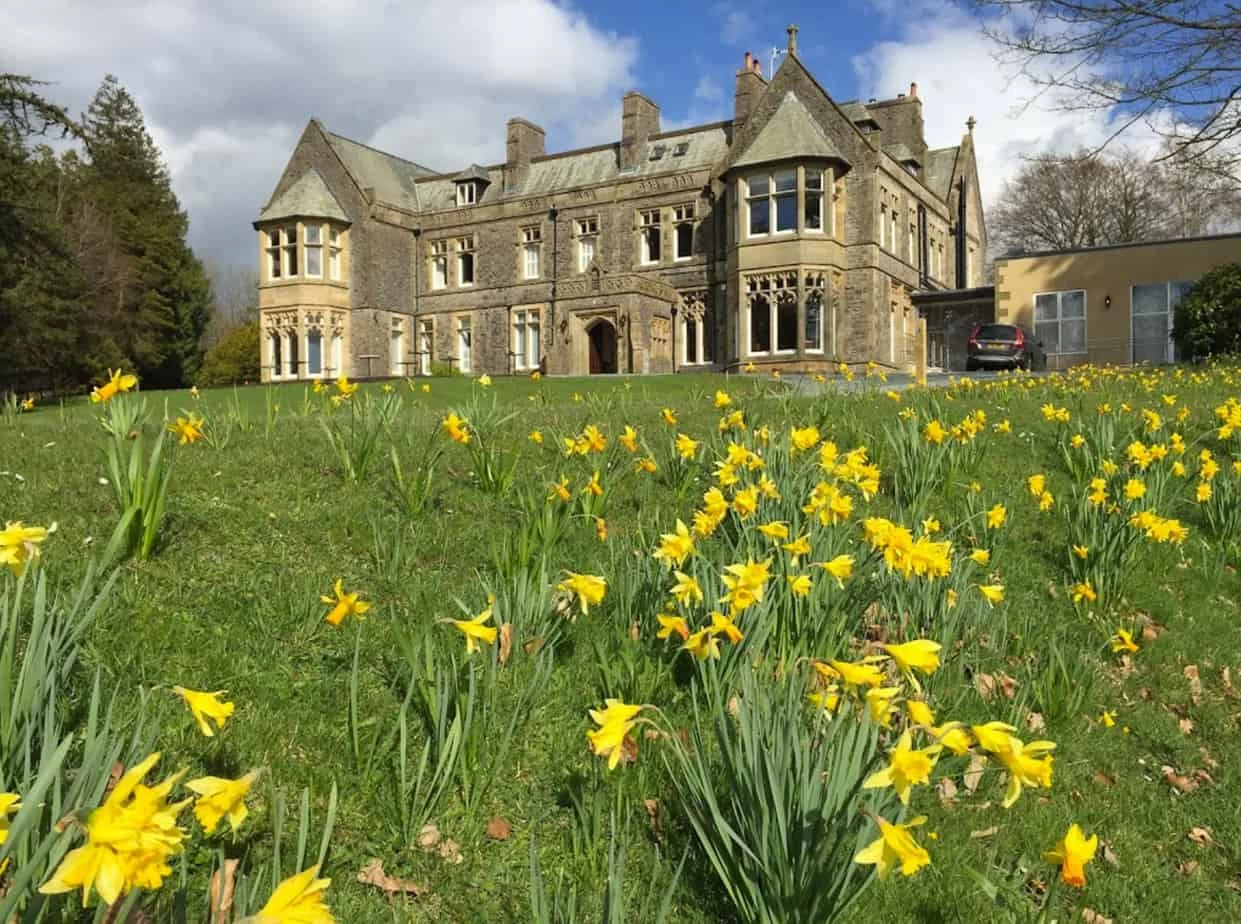
How the Yeates family of Levens acquired and managed their property in the Lake District of England.
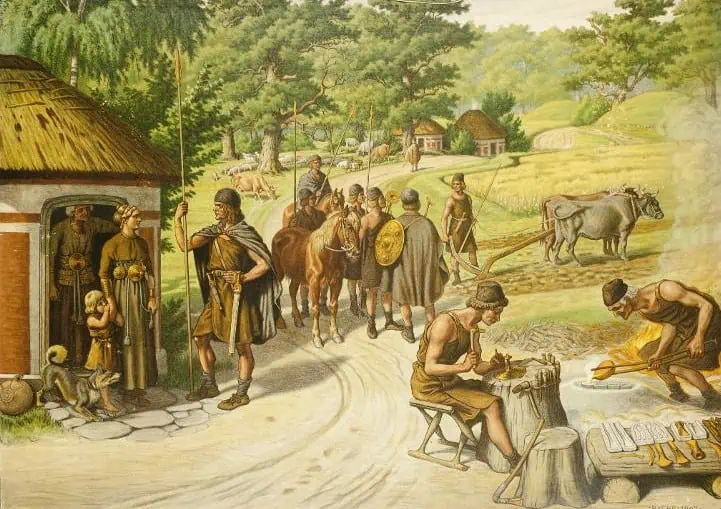
Our prehistoric journey. Charting the journey our ancestors made during the prehistoric era, from their origins in Africa 240,000 years ago.
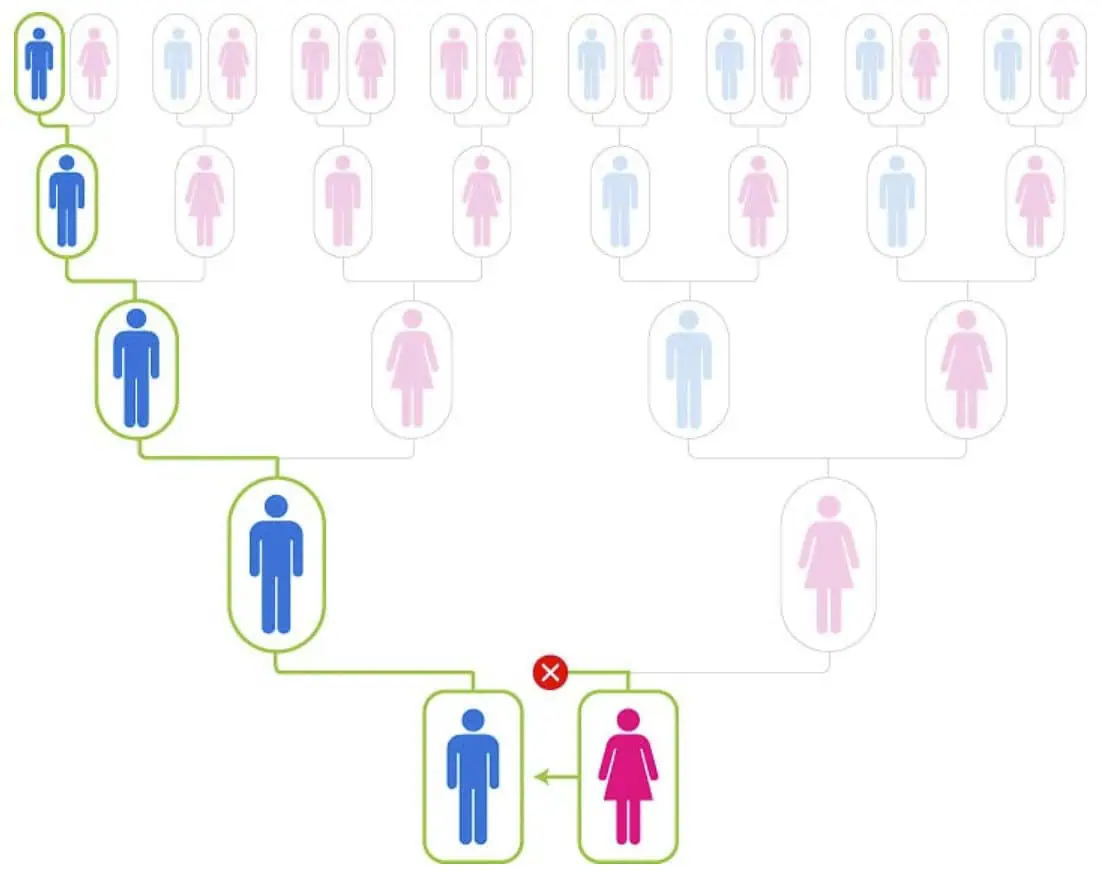
The story of how Y chromosome DNA was used to trace our most distant paternal ancestor, James Thomson.
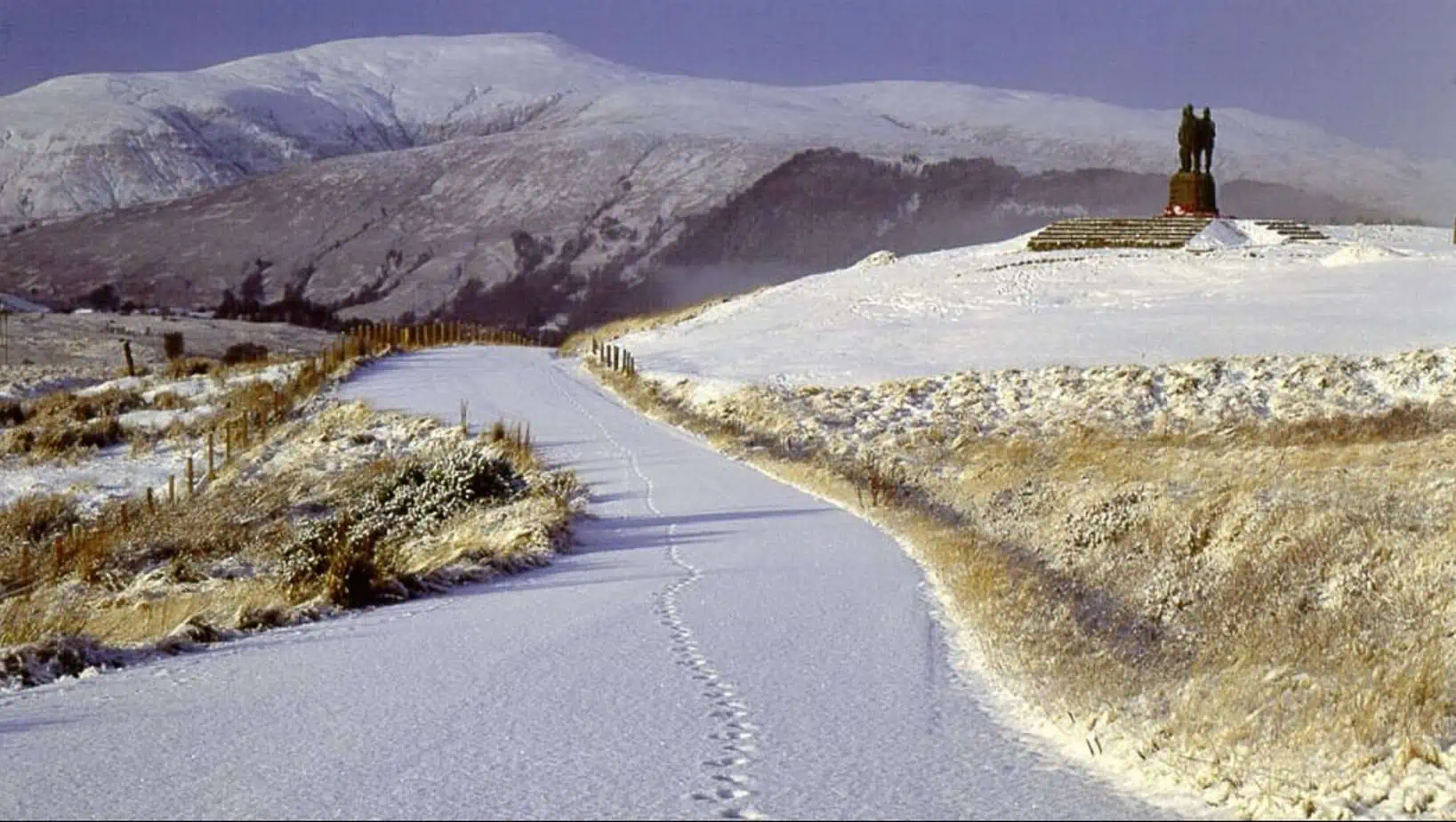
The Hunt for Jimmy was the operational codename our family affectionately assigned to my fathers search for his most distant ancestor, James Thomson.
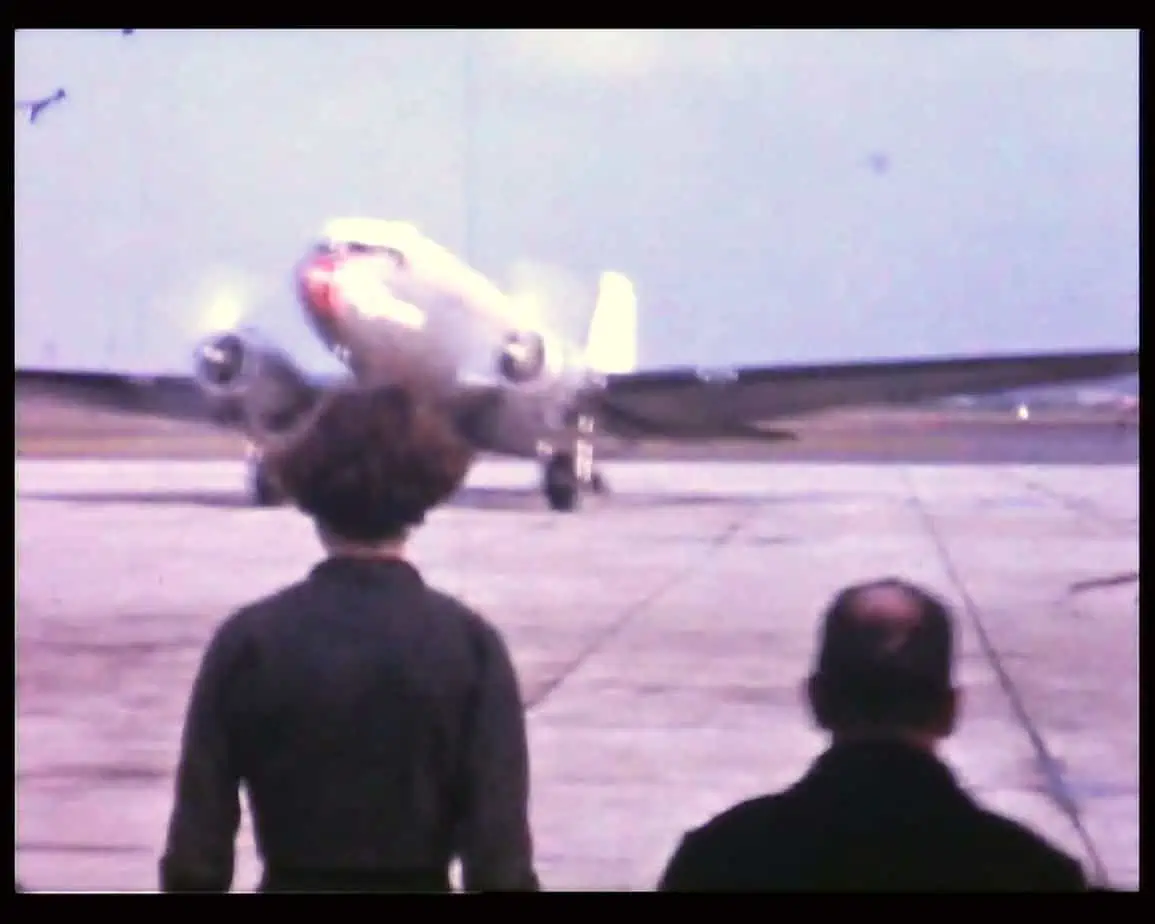
Video of a family visit to Stornoway in 1959, which brings back very happy memories for me.
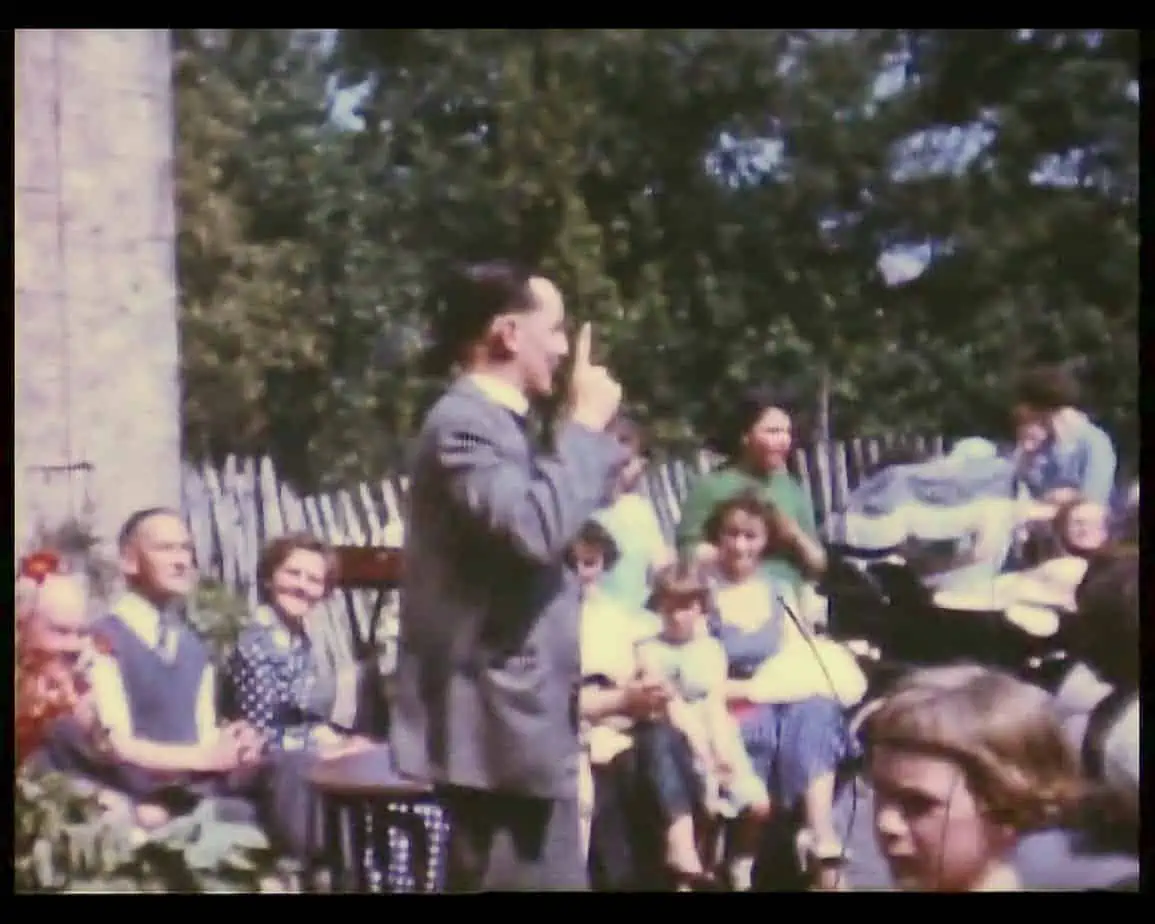
Video of life in Stanhope, Weardale, in the 1950s. These videos were converted from old 8mm cine film taken by my father, Dr Donald Thomson.
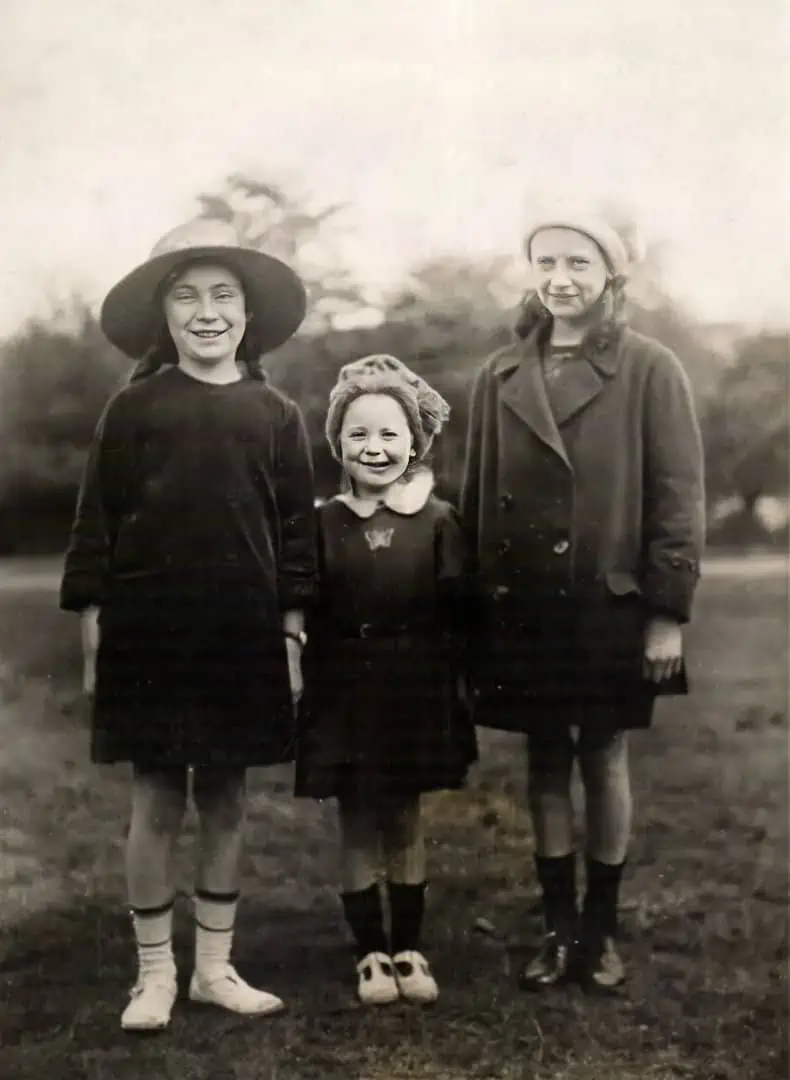
Learn how Nettie Brown bequeathed her estate to create a memorial fund to support the beautification and restoration of the countryside and coastline of Scotland.
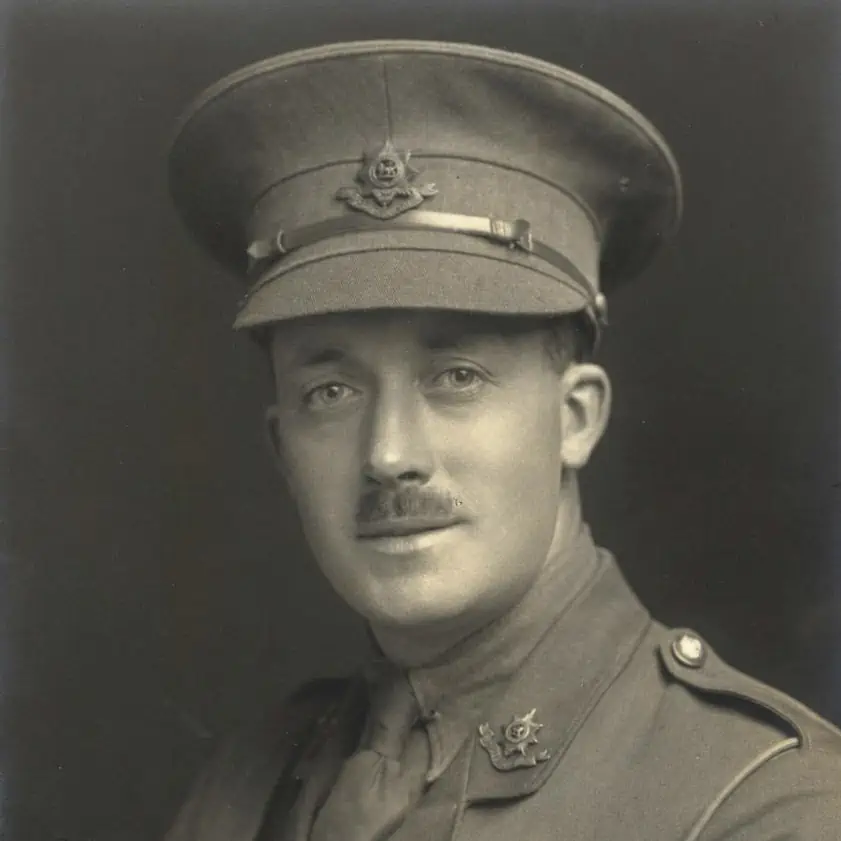
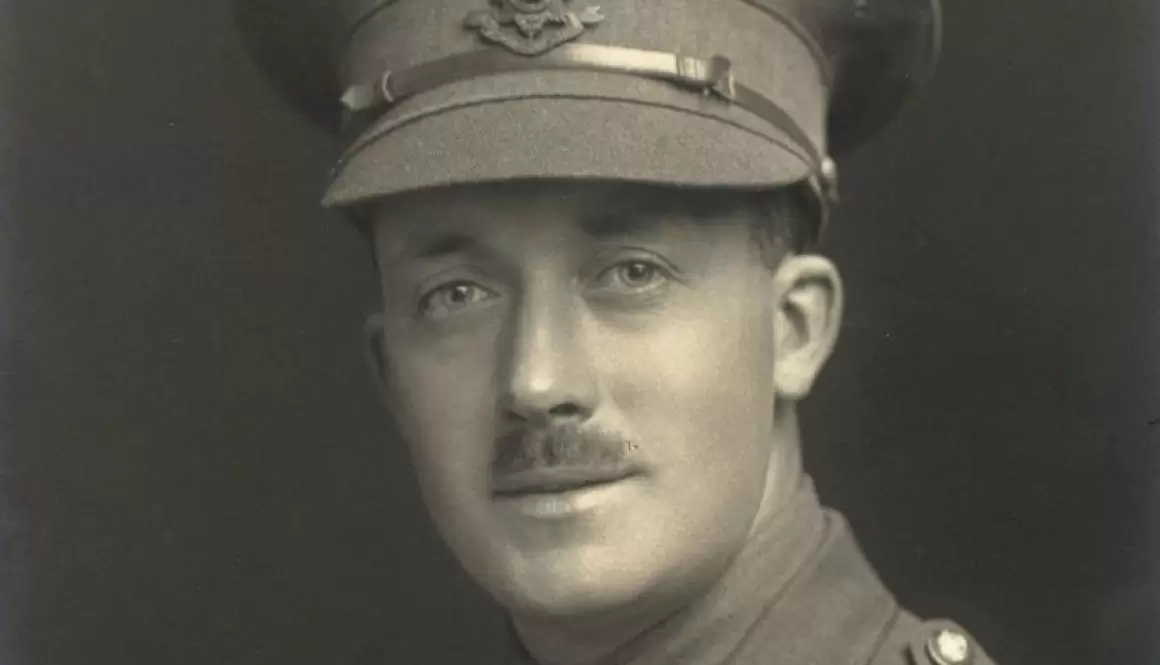
George Thomson was born on the Isle of Lewis, Scotland. After serving with distinction during the First World War he spent his life teaching in Glasgow.
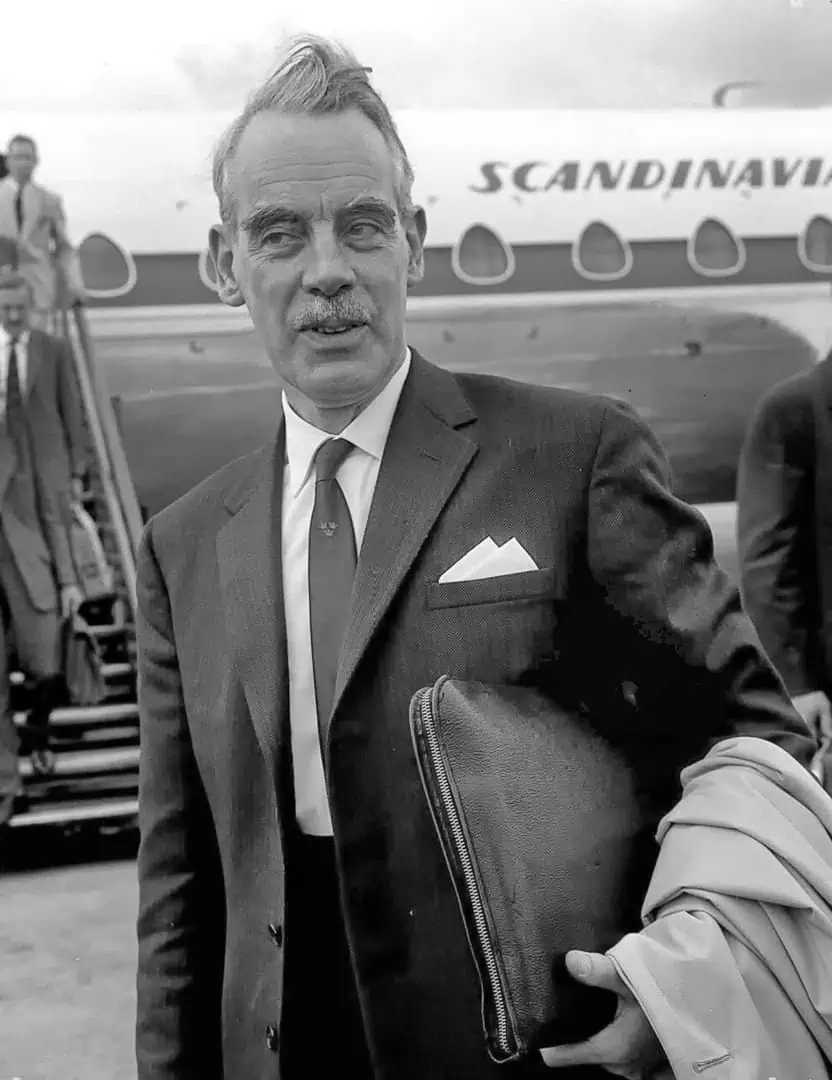
Sir John Brown worked as Chief Designer, then Managing Director and Chairman of John Brown & Co, Shipbuilders of Clydebank, Glasgow.
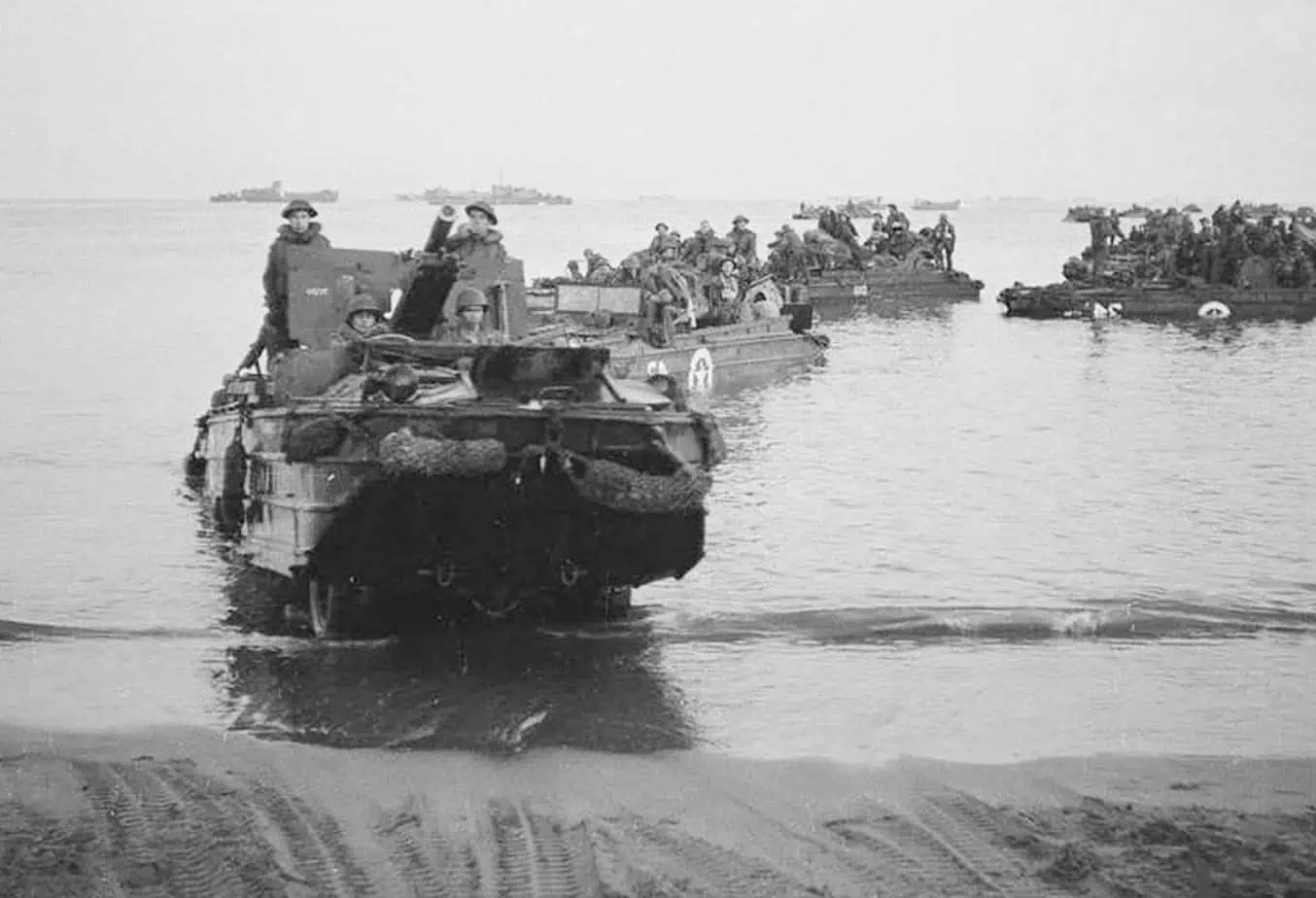
There are many accounts of the Anzio Campaign, but this is a personal account by someone who was there. Rather than a broad strategic overview of the campaign, it offers a worms-eye view of what life was really like on the ground.
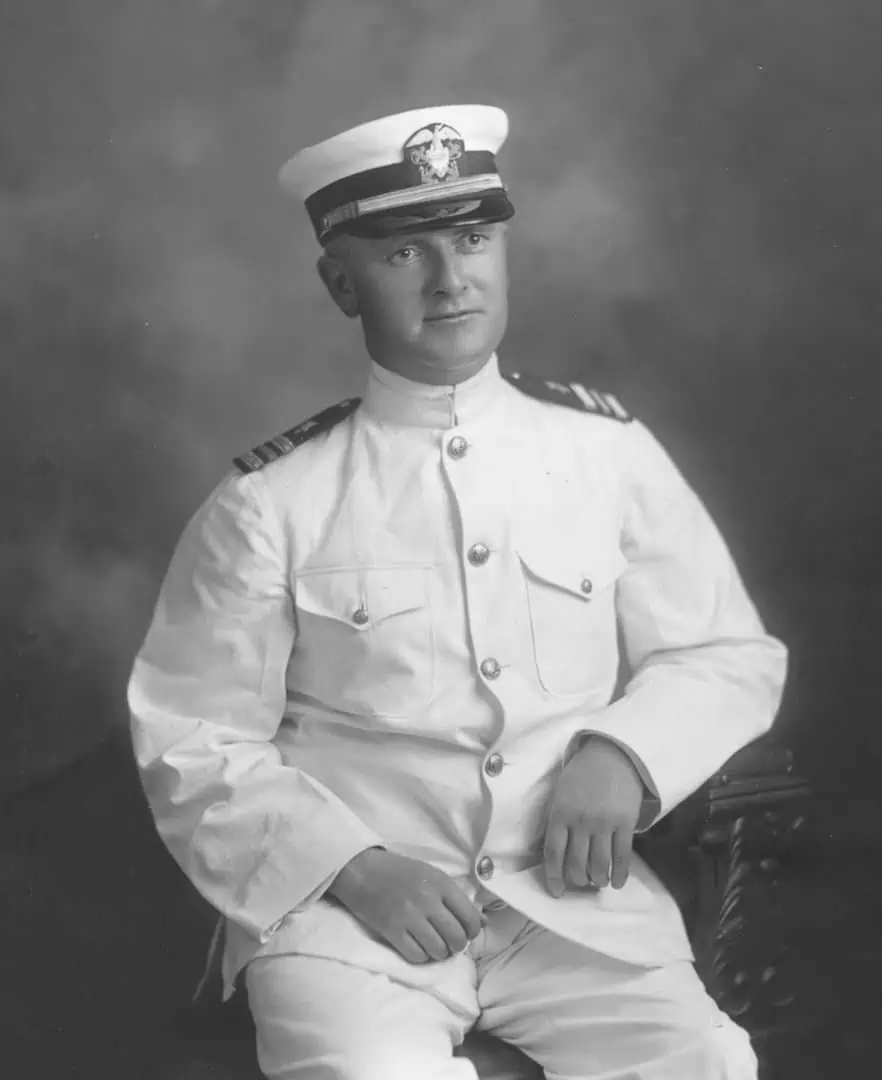
Alexander MacKenzie ran away from home on the Isle of Lewis, Scotland and served in the US Merchant Navy during World War One. He published a book of mathematical tables which allowed mariners to calculate their latitude.
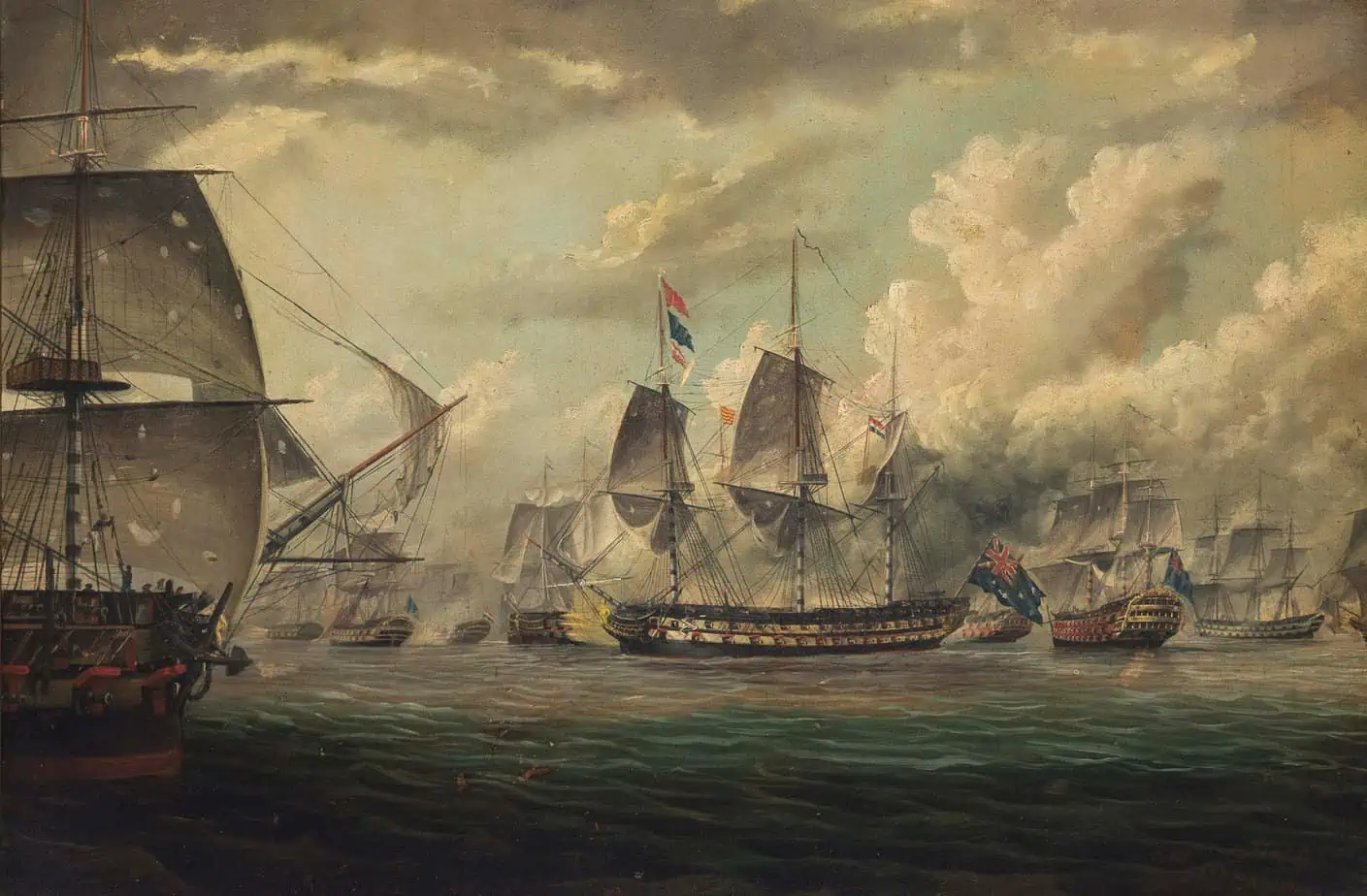
John Yeates joined the Royal Navy at the age of 12. He went to sea aboard HMS Thunderer and saw action in the Eastern Mediterranean. This was the last military campaign that Royal Navy conducted under sail.
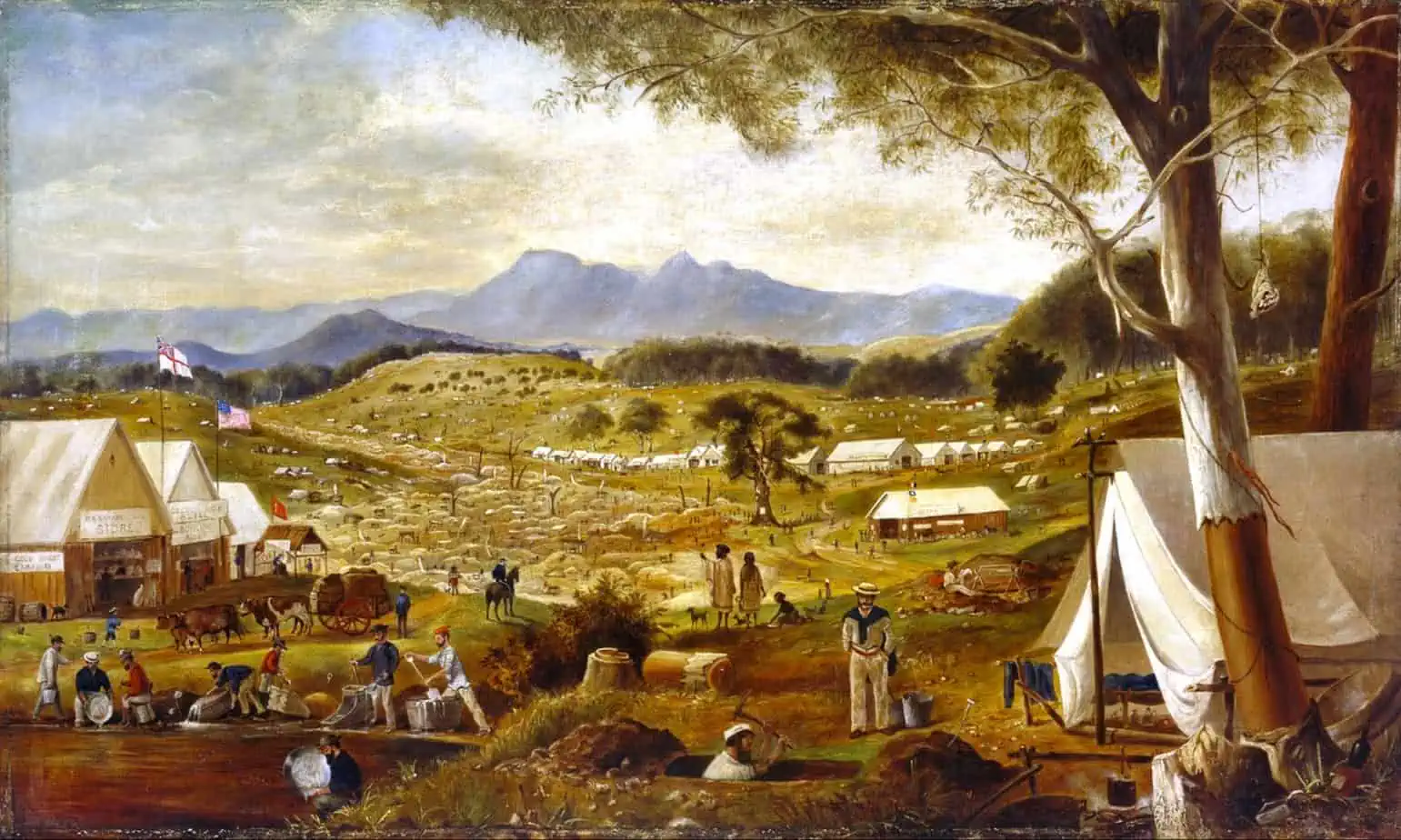
Edward Yeates sailed for Australia in 1853 at the age of 20 to earn his fortune in the Australian Gold Rush. This account of his life and death has been reconstructed from letters he wrote to his brother in England.
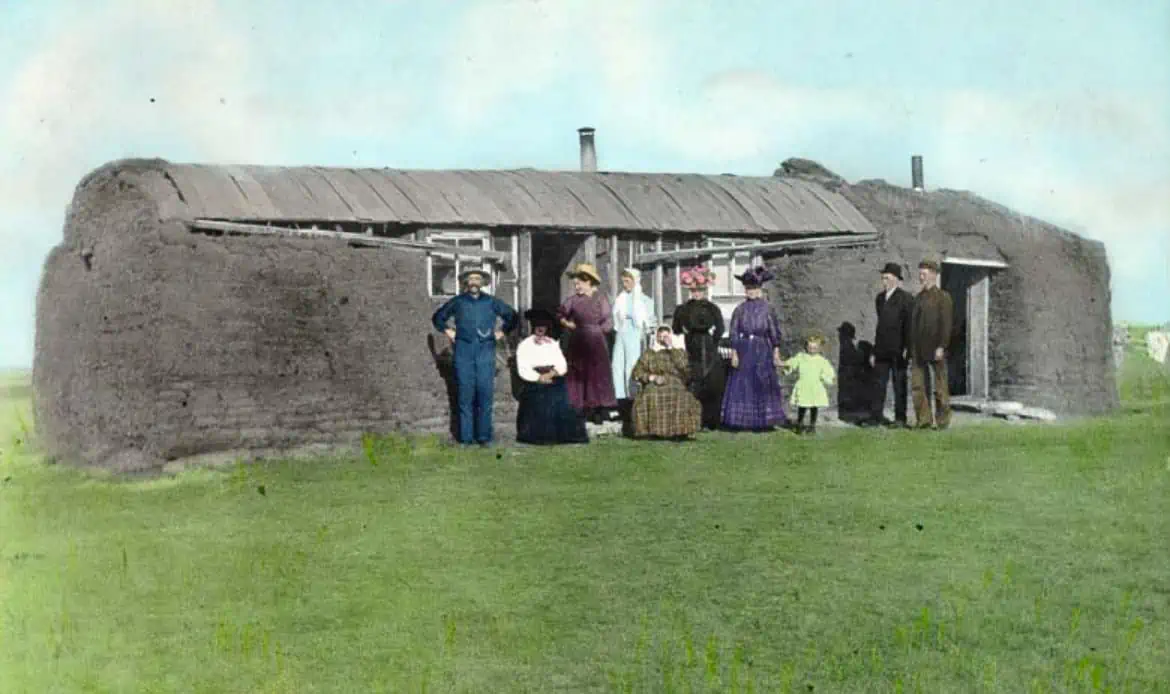
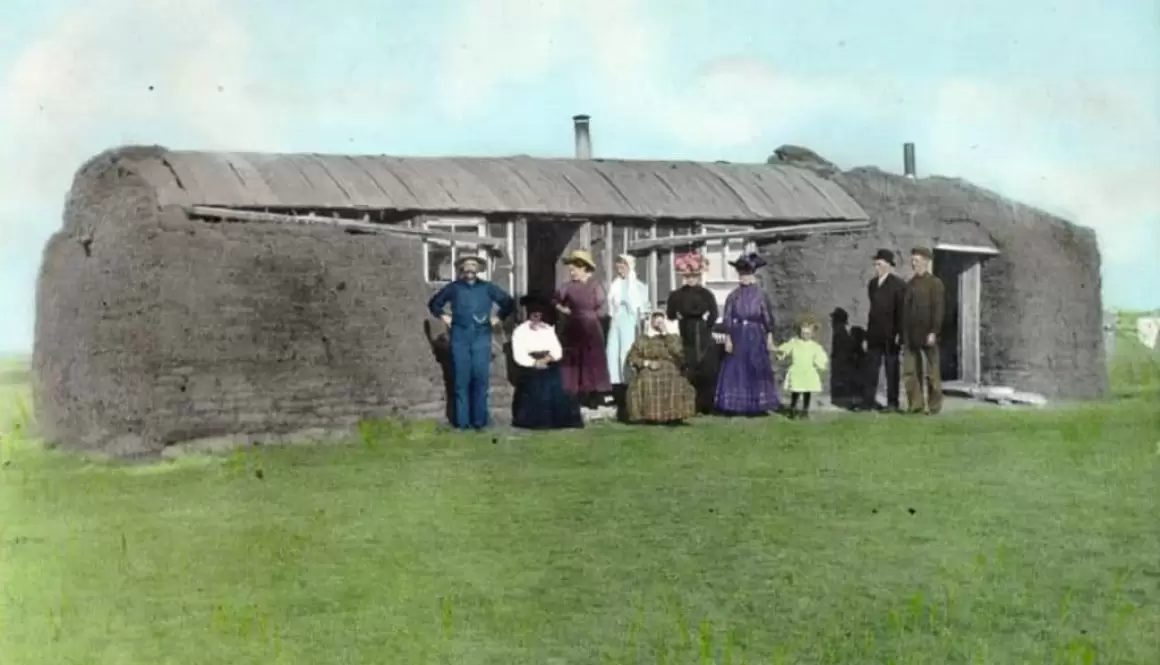
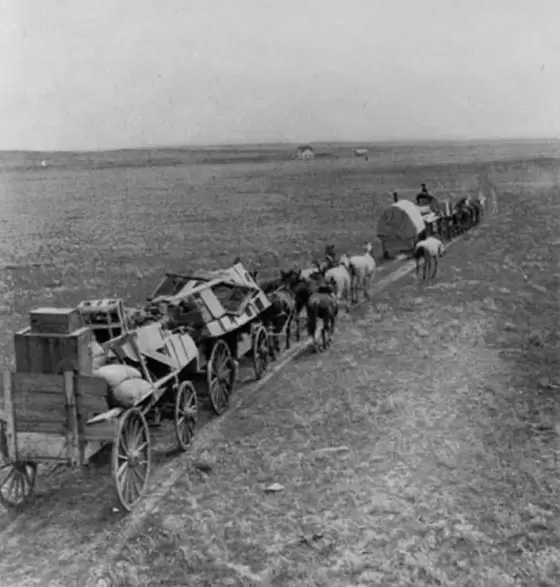
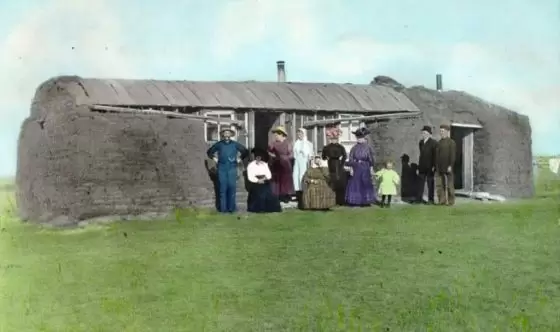
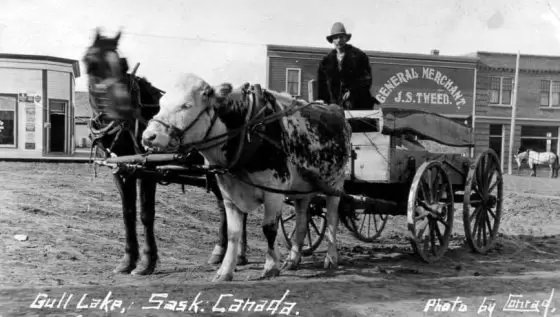
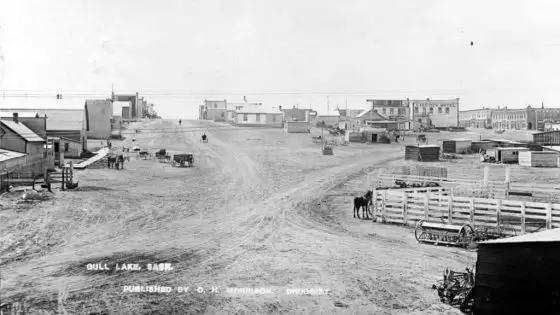
Marion Thomson's account of her emigration from the Isle of Lewis, Scotland to Nova Scotia, Canada in 1905 and their onward journey to Saskatchewan and their life on the prairie.

James Thomson was from the Isle of Lewis. He worked as a fur trader in the wild north of Canada. As well as his wife in Stornoway he took a native wife from the local Chipewyan (Dene) Indian tribe, and together they were alleged to have had a daughter.
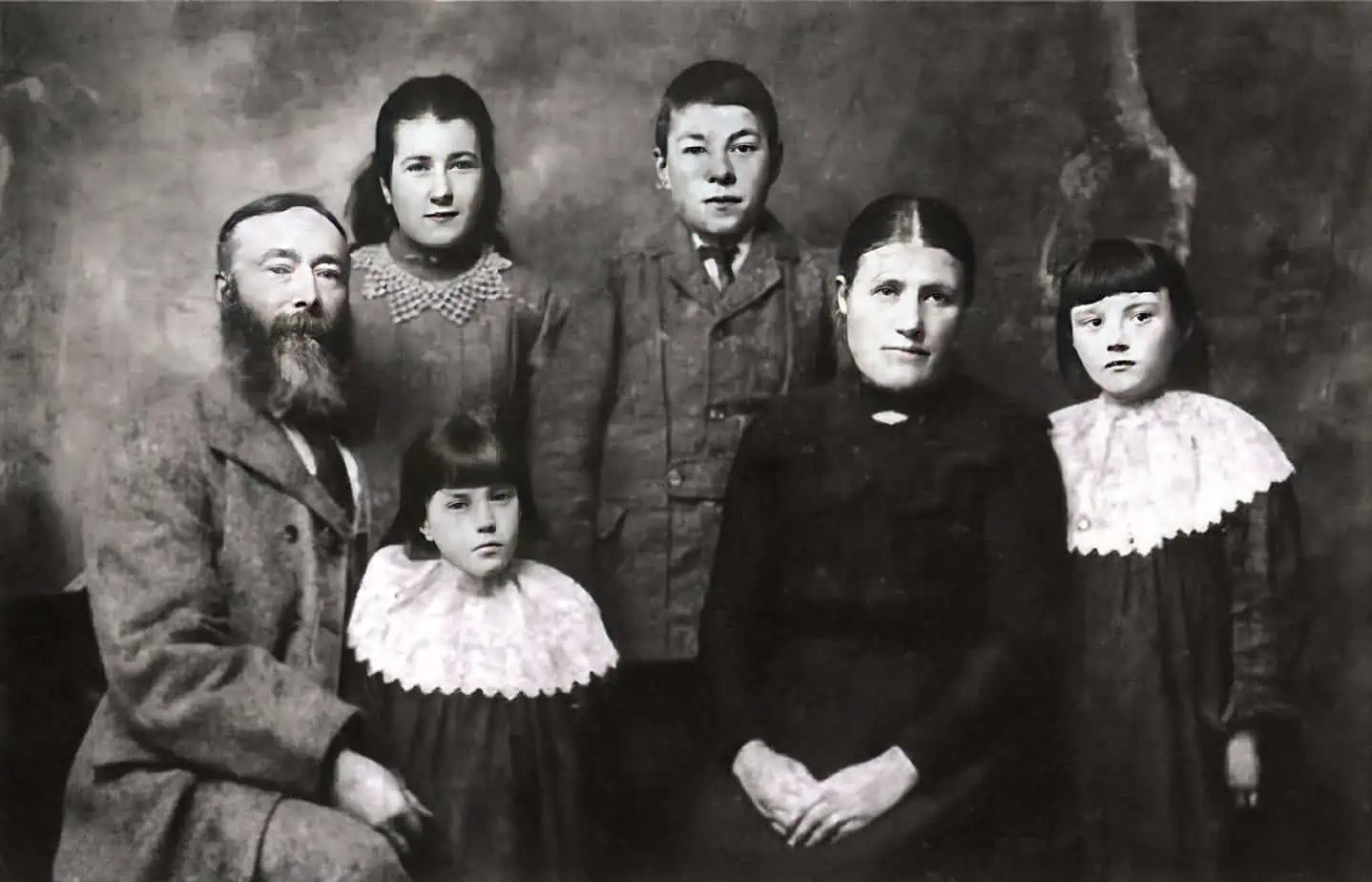
Isabella Thomson, from the Isle of Lewis, decided to join her husband in Northern Alberta where he was working as a fur trader. This account describes her remarkable journey from Stornoway to Fort Chipewyan in northern Canada in 1880.
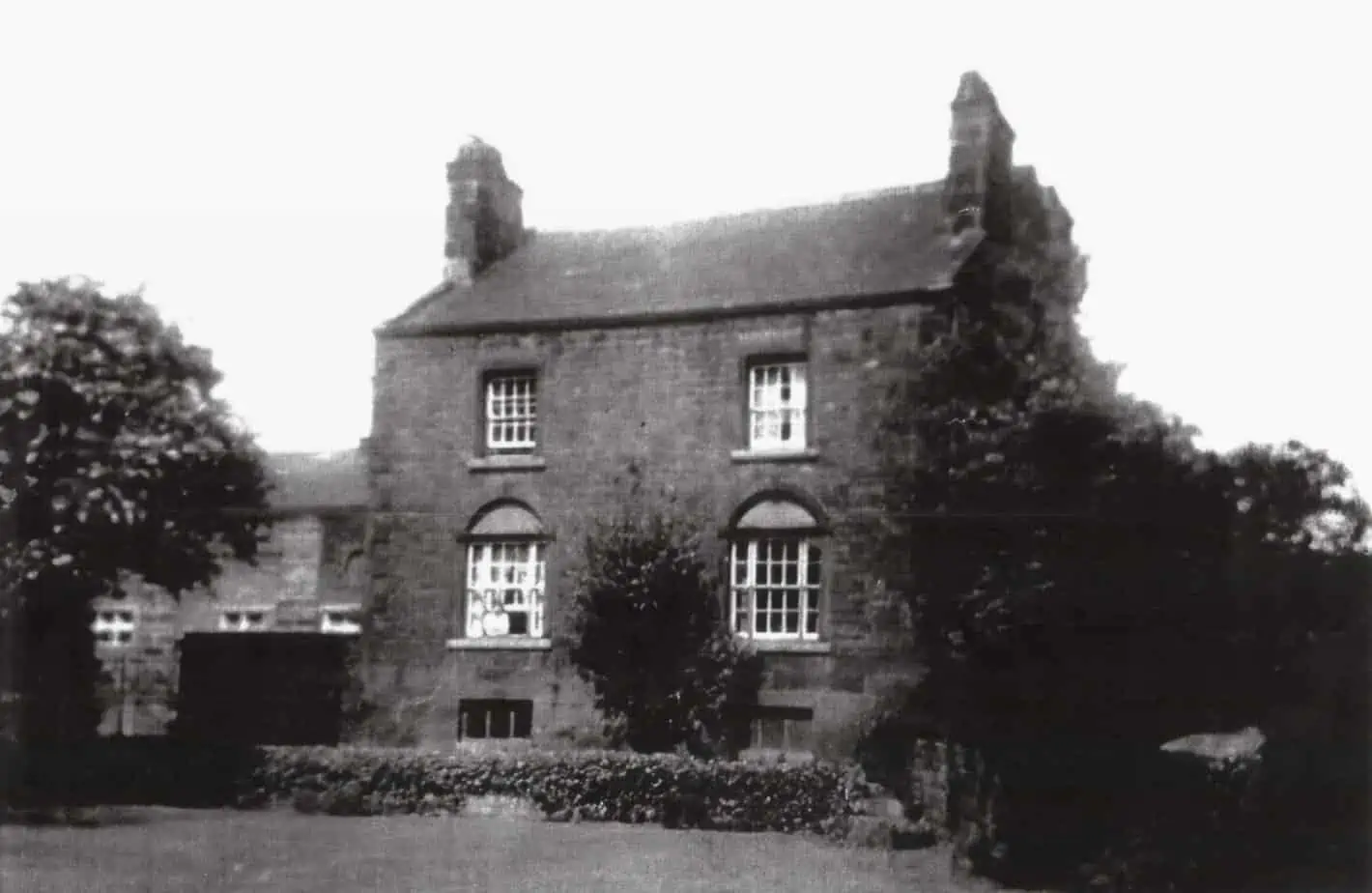
An account of John Richards journey to Liverpool in 1831 to research the ancestry of the Brettargh family and to establish a link with his wife's father.