The Mysterious Death of Edward Yeates
The Mysterious Death of Edward Yeates
Introduction
This account tells the story of Edward Yeates, a young Englishman who travelled to Australia during the gold rush of the 1840s. His life, recorded through letters to his family, offers a vivid picture of hope, hardship, and ultimately, a mysterious and tragic death.
Early Life
Edward Yeates was born Edward Richards on 31 January 1833 in Westmorland, England. He was one of several children in a well-established family. In 1837, the family changed their surname to Yeates after inheriting an estate.
Edard’s early life was marked by loss. Both of his parents died within weeks of each other in 1847, leaving his eldest brother, John, as head of the family.
Journey to Australia
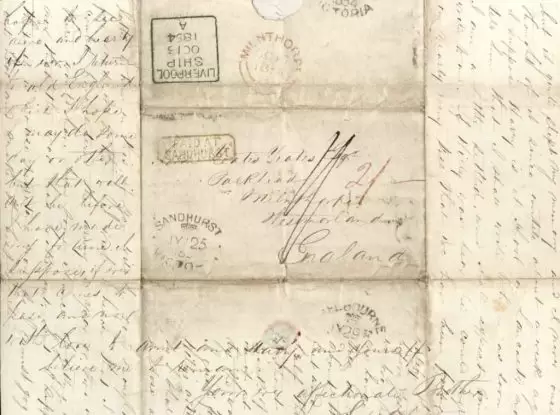
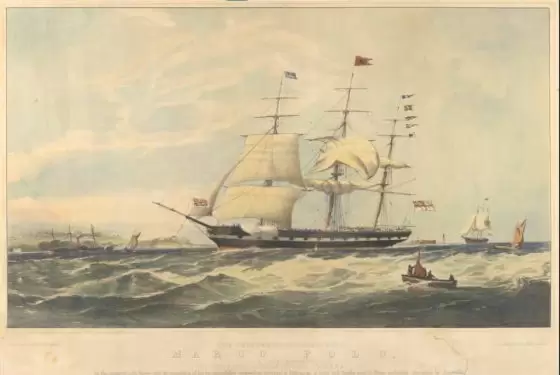
At the age of 20, Edward set sail from Liverpool to Melbourne in March 1853 aboard the clipper ship Marco Polo, hoping to make his fortune during the Australian gold rush.
The voyage was long and difficult. Edward described sickness, death, and harsh conditions on board. Despite this, he remained in good health and arrived in Melbourne in May 1853.
First Impressions of Melbourne
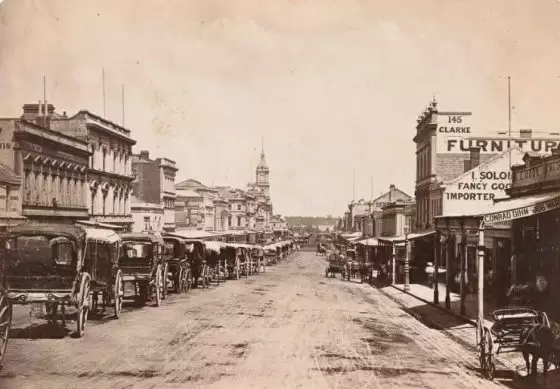
Edward’s arrival was both exciting and lonely. He knew no one and struggled to find work. Like many new arrivals, he quickly discovered that life in a “land of gold” was not as easy as he had imagined.
After failing to secure employment, he took on manual work transporting timber. Although the work was tough, he noted that many respectable men had started in similar positions.
Life and Work in the Colony
Edward’s fortunes changed when he was offered work on road construction. He found himself among educated men who, like him, had come to Australia seeking opportunity but were forced into physical labour.
However, this job did not last. Soon after, Edward found himself unemployed again and struggling to decide his next step.
Joining the Mounted Police
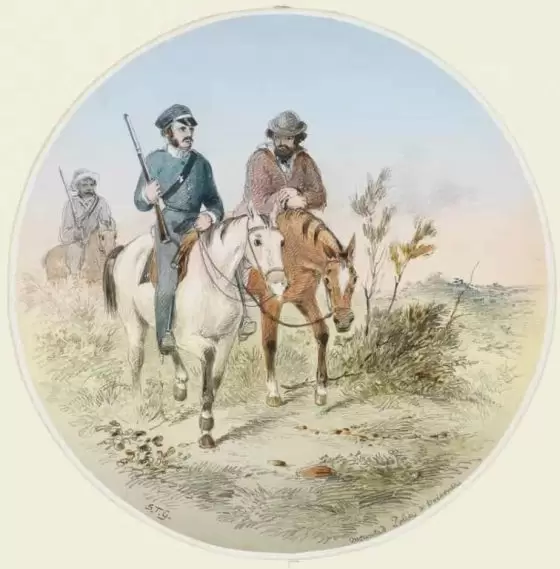
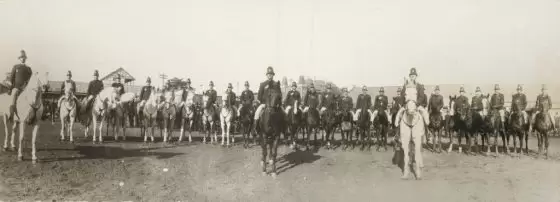
Eventually, Edward joined a mounted police force—a role somewhere between a soldier and a policeman. He was sent to the Bendigo goldfields, where tensions were rising between miners and authorities over licence fees.
His journey to Bendigo was difficult, involving dangerous terrain, poor roads, and even river crossings where both horse and rider risked their lives.
Life on the Goldfields
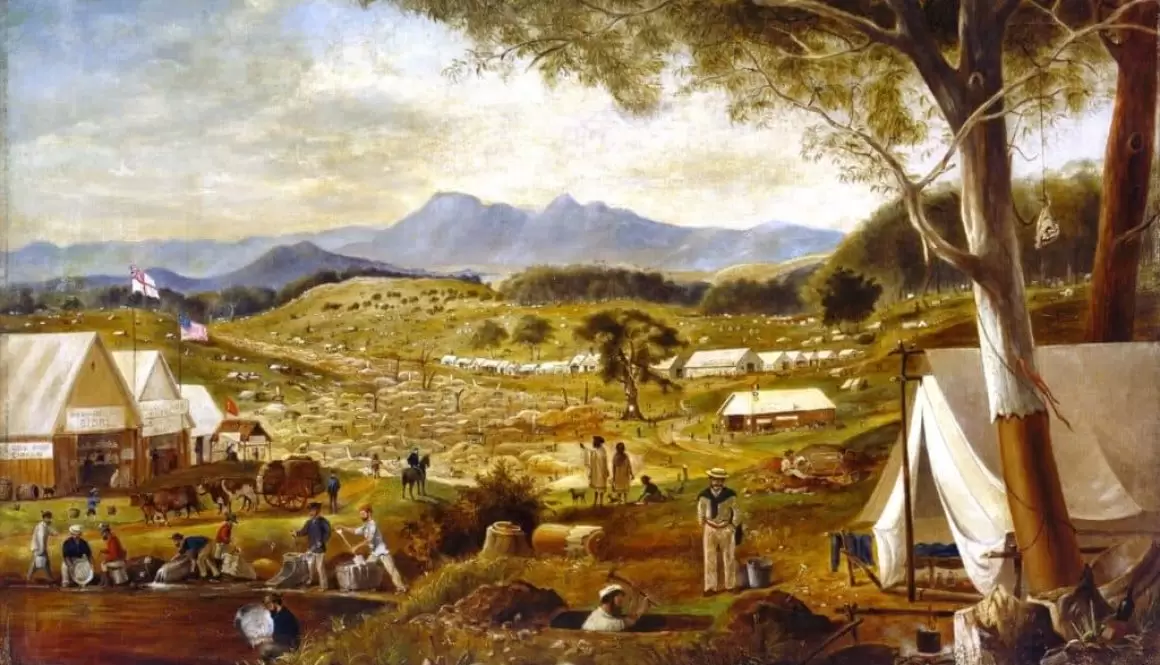
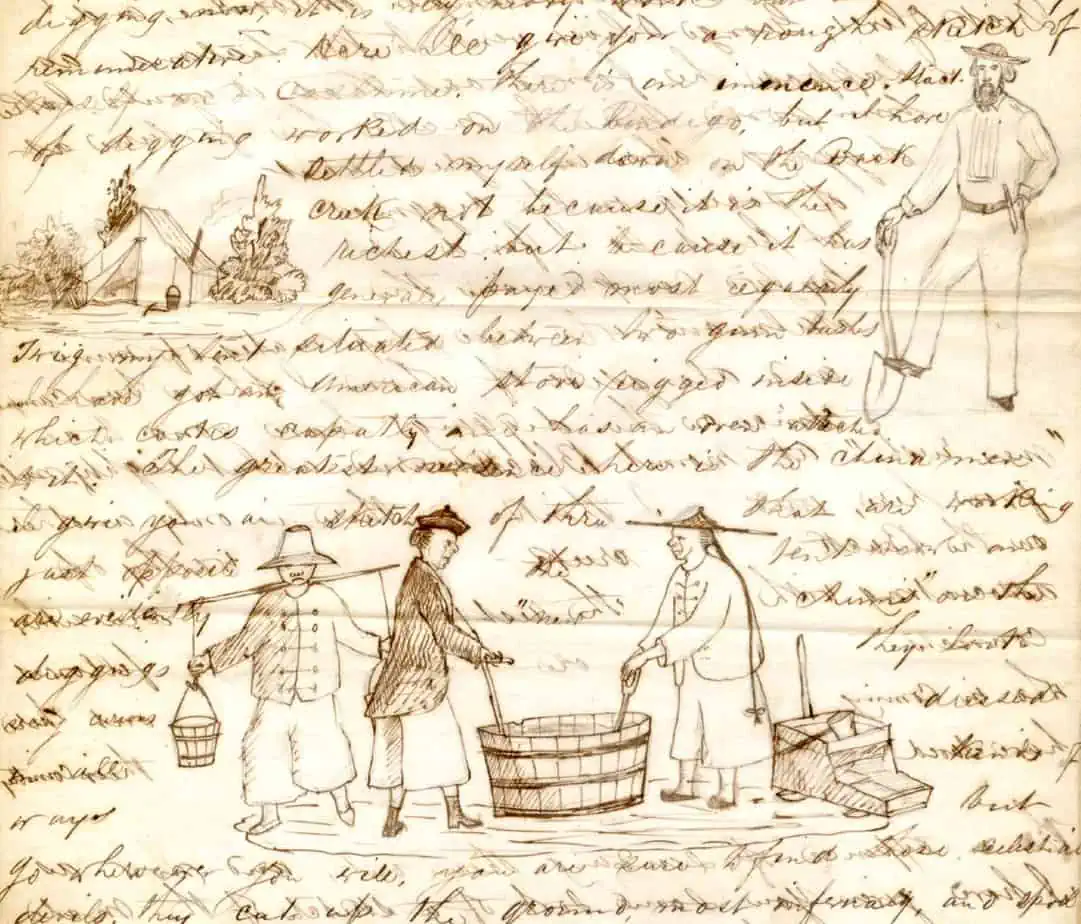
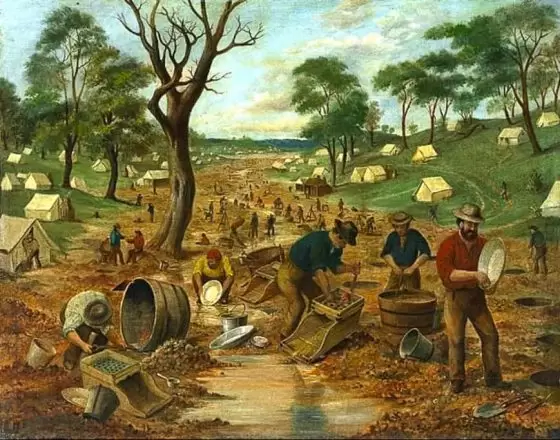
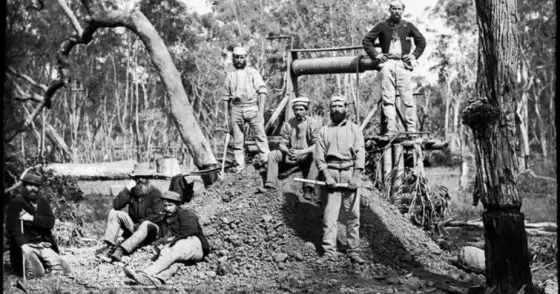
Edward later left the police and tried his luck as a gold digger. He described this work as both physically demanding and unpredictable, but also the most independent life he had experienced.
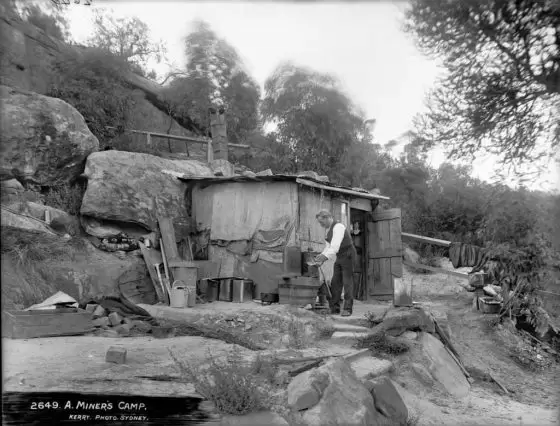
Living conditions were basic. He stayed in a small tent, slept on makeshift beds, and lived mainly on simple food like mutton, bread, and tea. Wildlife, including snakes and wild dogs, added to the challenges.
Despite setbacks, Edward remained optimistic. He experimented with farming and later invested in a gold-washing machine, hoping to improve his chances of success.
Personal Reflections
Through his letters, Edward appears determined and reflective. He admitted to hardships but refused to dwell on regret. Instead, he focused on working hard and improving his situation.
He even wrote a poem describing a moment of near poverty followed by sudden success—a reminder of how quickly fortunes could change on the goldfields.
Relationships and Future Plans
Edward built friendships in Australia and was even engaged to be married. However, he delayed marriage until he could provide a more stable home than life in a tent.
He also received financial support from his family, which he carefully invested in his mining ventures.
The Tragic Death
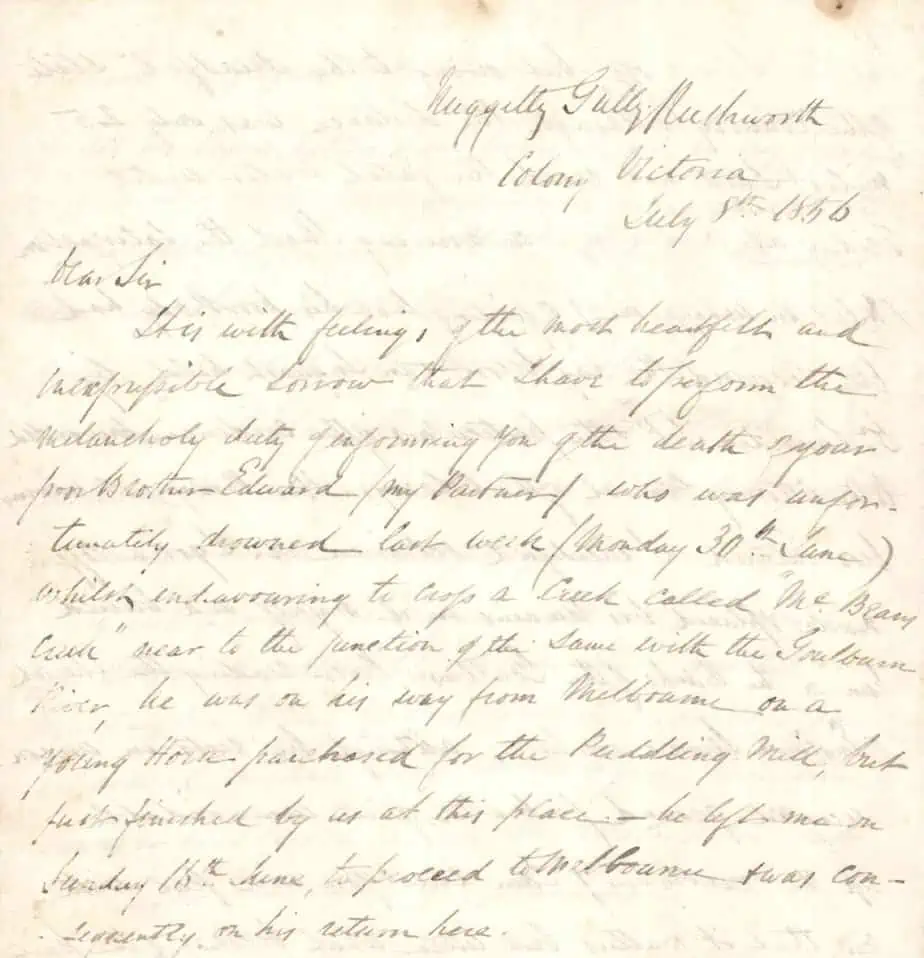
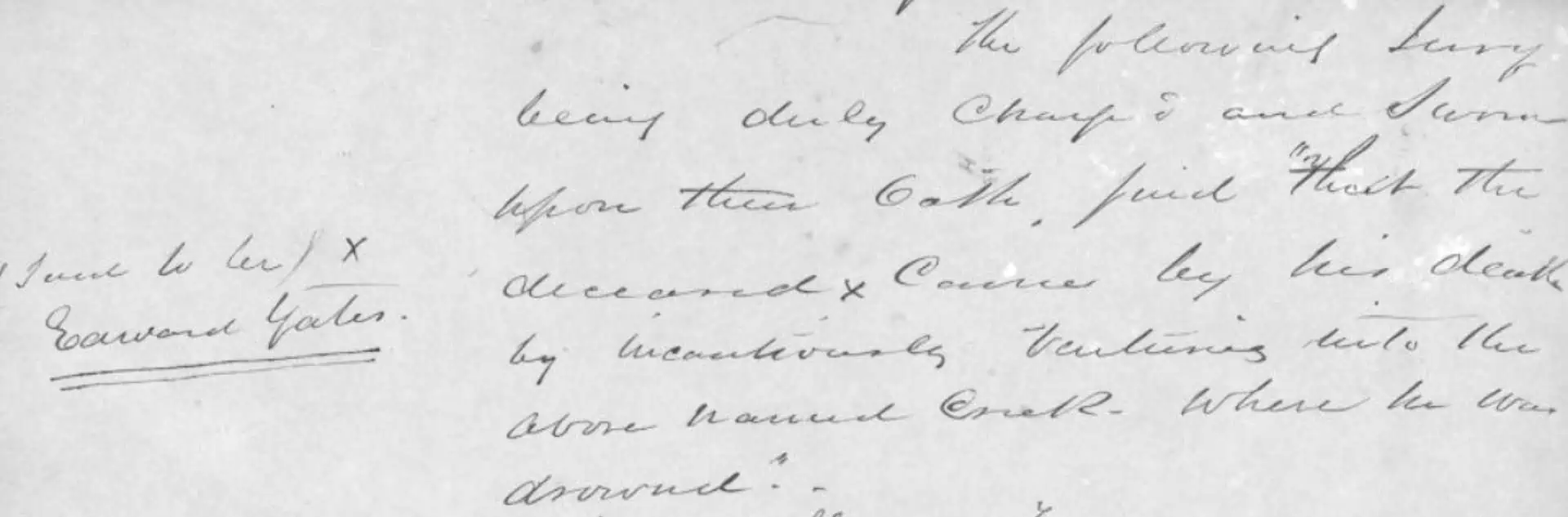
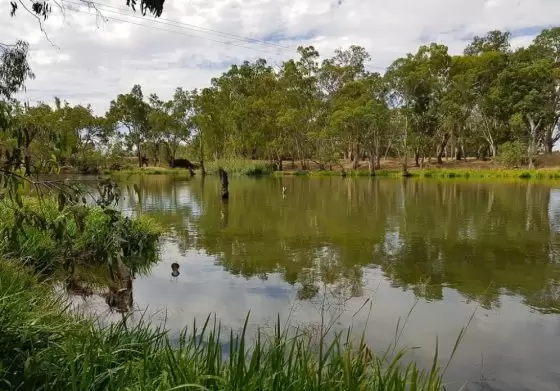
On 30 June 1856, Edward drowned while attempting to cross McBean Creek (near the Goulburn River) on horseback.
According to reports, his horse was swept or thrown back into the water. Wearing heavy clothing, Edward was unable to swim to safety.
His body was recovered the following day, and he was buried near the river.
Suspicious Circumstances
Several aspects of Edward’s death raise questions:
- His experience: As a skilled horseman and former mounted policeman, he should have been capable of judging a safe river crossing.
- Missing belongings: Some of his possessions and money were missing after his death.
- Conflicting claims: There were disagreements over ownership of his mining equipment.
- Disappearance of a partner: One of his business partners later vanished without explanation.
These details suggest that his death may not have been entirely accidental.
Aftermath
Edward’s death deeply affected those who knew him. His fiancée suffered greatly, and his friends attempted to settle his affairs, though with difficulty due to the lack of formal authority in the region.
His burial took place in an isolated area, and the exact location of his grave remains uncertain.
Conclusion
Edward Yeates’ story is one of ambition, resilience, and uncertainty. Like many who travelled to Australia during the gold rush, he faced harsh realities far removed from his expectations.
His letters provide a rare and personal insight into life during this period—but his sudden and possibly suspicious death leaves unanswered questions that remain to this day.
Original Documents
This article has been prepared from the Yeates Family Documents and Diaries, the original copies of these documents have now been donated to the Kendal Record Office and have been made available to the public for viewing or download.