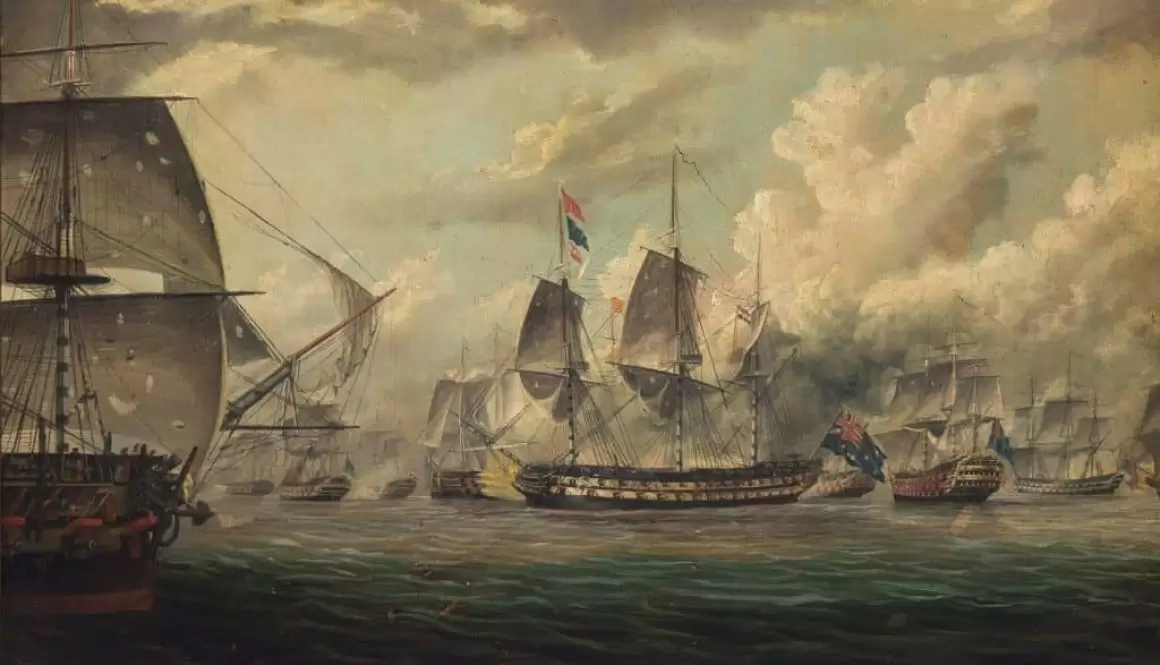
John Yeates Yeates and HMS Thunderer
John Yeates Yeates and HMS Thunderer
John Yeates Yeates and HMS Thunderer
John Yeates Yeates was born as John Yeates Richards on 4 June 1826 at Park Head, Levens, in Westmorland, England. His parents were John Yeates and Margaretta Brettargh raised him there. In 1837, his father changed the family surname from Richards to Yeates, as required by the will of his guardian, Anthony Yeates. From that point on, John became known as John Yeates Yeates.
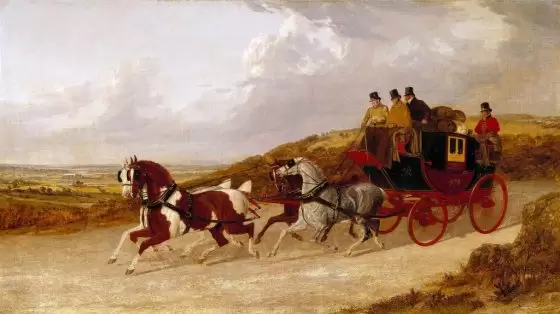
John’s father had served in the Royal Navy and wanted his eldest son to follow the same path. So, on 29 January 1840, at just 13 years old, John left home with his parents. They travelled by mail coach from Kendal to London, and then onward to Plymouth to begin his naval career.
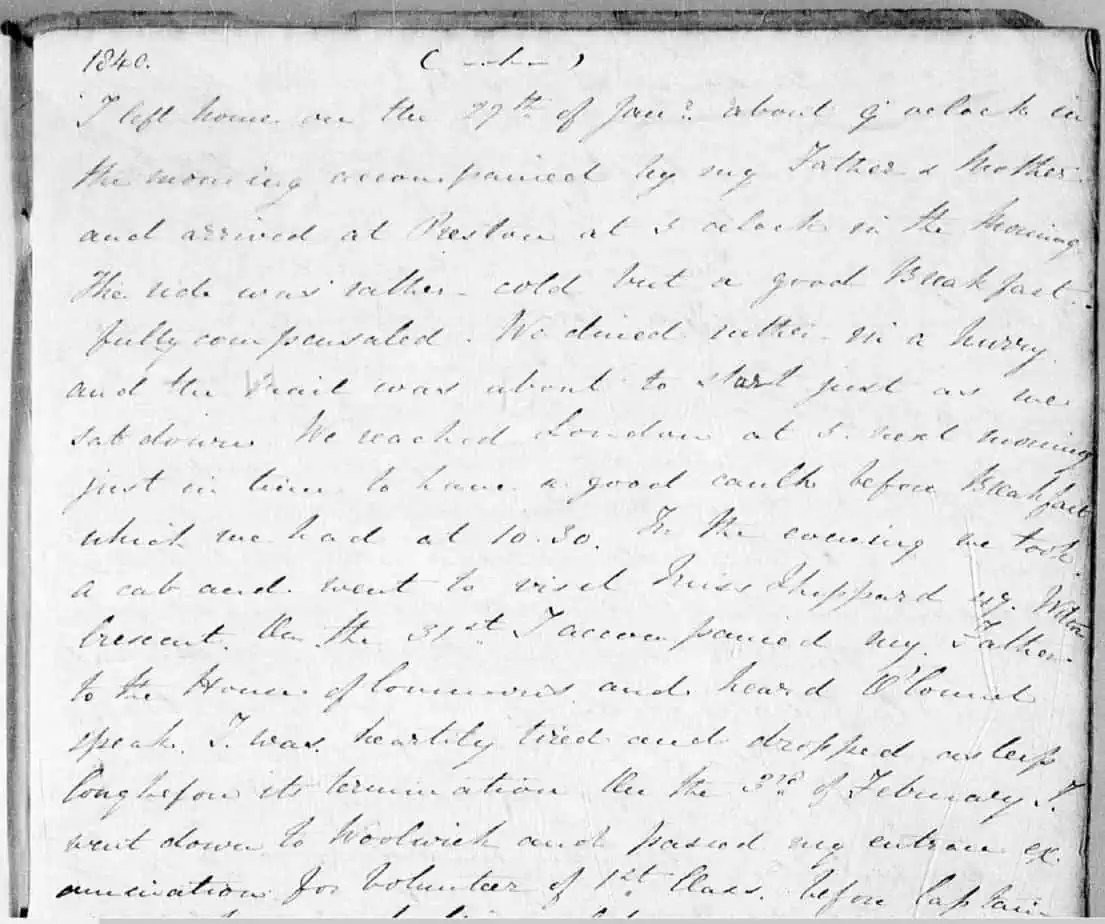
John kept a diary throughout his service, and this account is based on his own words.
Journey to London and Plymouth (1840)
I left home on 29 January 1840 at about 9 in the morning with my father and mother. The journey was cold, but a good breakfast made up for it. We arrived in London at five the next morning, just in time to get some rest before breakfast.
During our stay, I visited friends and even went to the House of Commons, where I heard O’Connell speak—though I fell asleep before he finished.
On 3 February, I travelled to Woolwich and passed my entrance exam for the Navy. I was allowed to stay in London for a short time before leaving for Plymouth on 22 February. It was then that I first felt the sadness of parting from my parents, although at the time I was still quite carefree.
We reached Plymouth late on the 24th and stayed aboard ship overnight. The next day, I reported for duty.
Life at Devonport
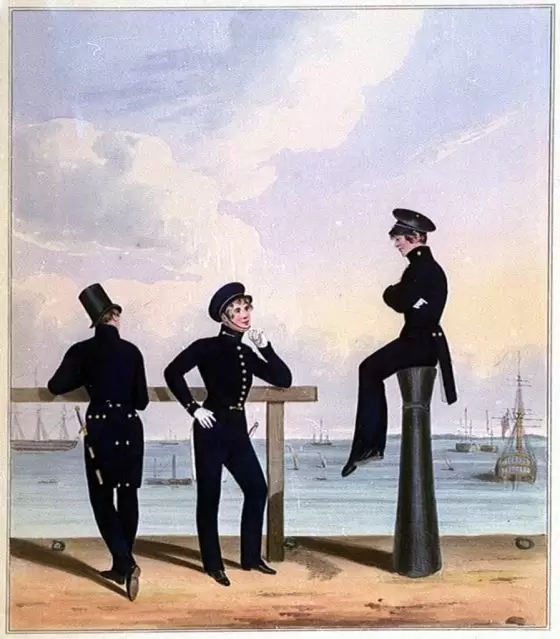
In March, we prepared our ship for sea. We stayed alongside an old vessel called the Vigo, which served as temporary accommodation. Life felt comfortable, and after duty I spent time reading or writing as I pleased.
We spent much of our time loading supplies, including food, water, and equipment.
On 12 March, I attended a lively ball that lasted until 3 a.m. I slept so deeply afterward that I woke late and angered my commanding officer.
Departure on HMS Thunderer
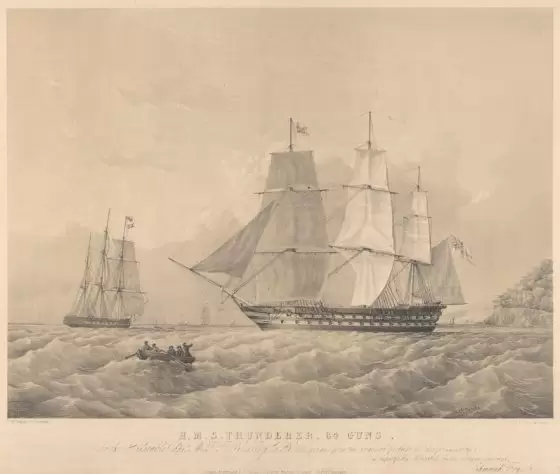
On 23 May, HMS Thunderer finally left Plymouth. Spirits were high, but the next morning I experienced severe seasickness as the weather worsened.
By early June, we reached Lisbon, though I was not allowed ashore. From the ship, I saw a colourful but dirty city.
The Egyptian-Ottoman War (Context)
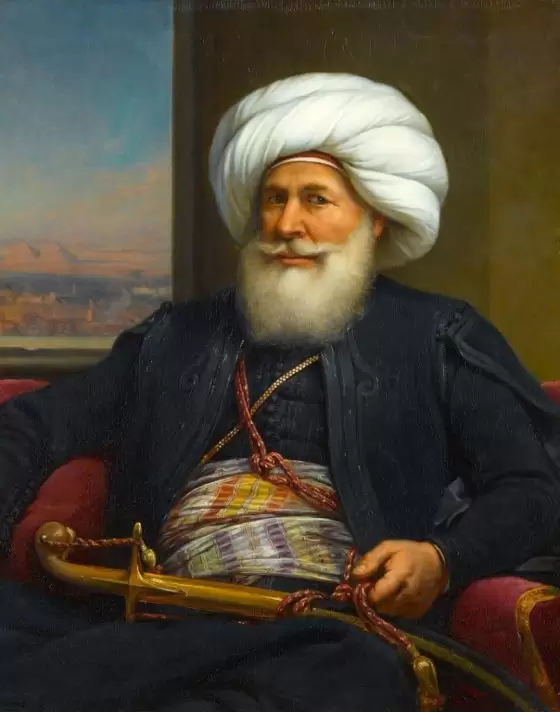
At this time, a conflict was unfolding in the Eastern Mediterranean. Muhammad Ali of Egypt challenged the Ottoman Empire, prompting Britain and its allies to intervene.
The Royal Navy, including HMS Thunderer, was sent to support military operations along the coast of modern-day Lebanon and Israel.
Action at Sidon
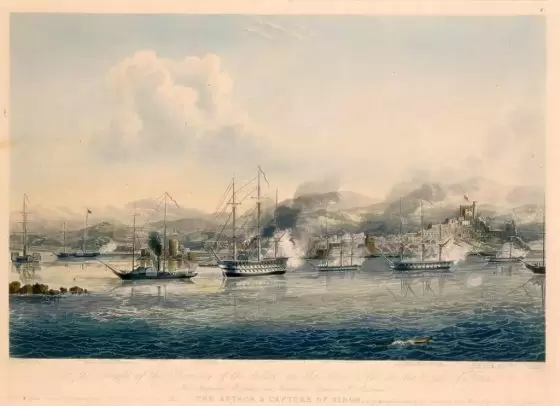
In September 1840, we took part in operations near Sidon.
I was placed in charge of small boats sent to block enemy retreat routes. At night, the sight of ships firing and rockets in the sky was magnificent.
During one mission, a small party landed to scout enemy positions. Enemy forces quickly opened fire. Bullets struck the boat, yet miraculously none of us were hit.
Fighting at Djounie
At Djounie Bay, troops landed to establish a position. Fighting was intense, and many men were killed by heavy fire from a fortified position.
I served onshore as an aide to the captain, alternating long shifts. Local fighters joined our forces, and our camp steadily grew.
The Battle of Acre (November 1840)
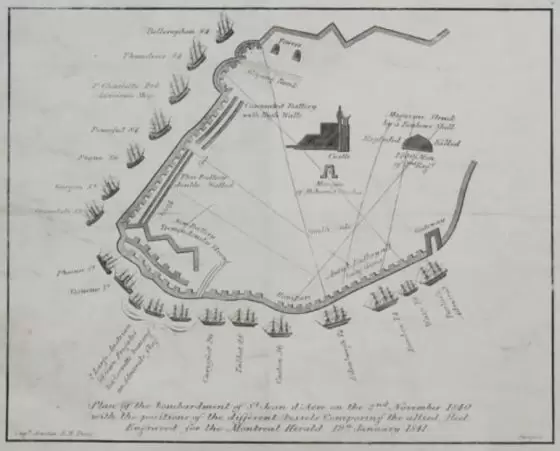
On 3 November, we prepared for a major attack.
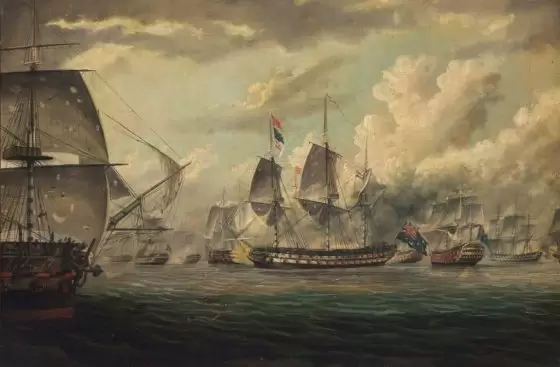
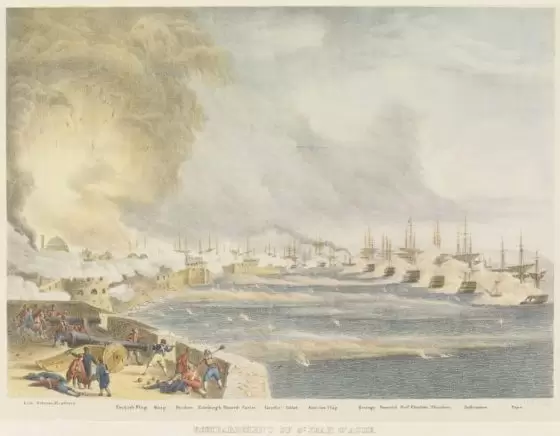
By mid-afternoon, ships began bombarding enemy defences. Around 3 p.m., a massive explosion destroyed the enemy’s powder magazine, sending debris flying in all directions.
The bombardment continued until evening, when we withdrew to repair damage.
Aftermath of the Battle
On the next day, I went ashore. It was horrifying to see.
The streets were filled with dead and wounded. Buildings were destroyed, and the remains of people and animals lay everywhere. It was a sight too terrible to fully describe.
The enemy had suffered heavy losses, with thousands killed and many more captured. Our own damage was relatively light, though some ships suffered serious casualties.
Final Reflections
The campaign ended with victory for the allied forces. Muhammad Ali accepted terms, and the conflict came to a close.
HMS Thunderer continued in service for many years afterward, eventually becoming one of the last ships linking the age of sail with newer naval technology.
Original Documents
This article has been prepared from the Yeates Family Documents and Diaries, the original copies of these documents have now been donated to the Kendal Record Office and have been made available to the public for viewing or download.